
How AI is Redefining IT Tech Support (Part 1)
The global IT hardware market size is expected to grow from $121.32 billion in 2023 to $177.11 billion by 2028, at a CAGR of 7.86%.

This market is currently being reshaped by rapid technological evolution. The integration of cutting-edge technologies like Artificial Intelligence (AI) and cloud computing has significantly increased the complexity of hardware products.
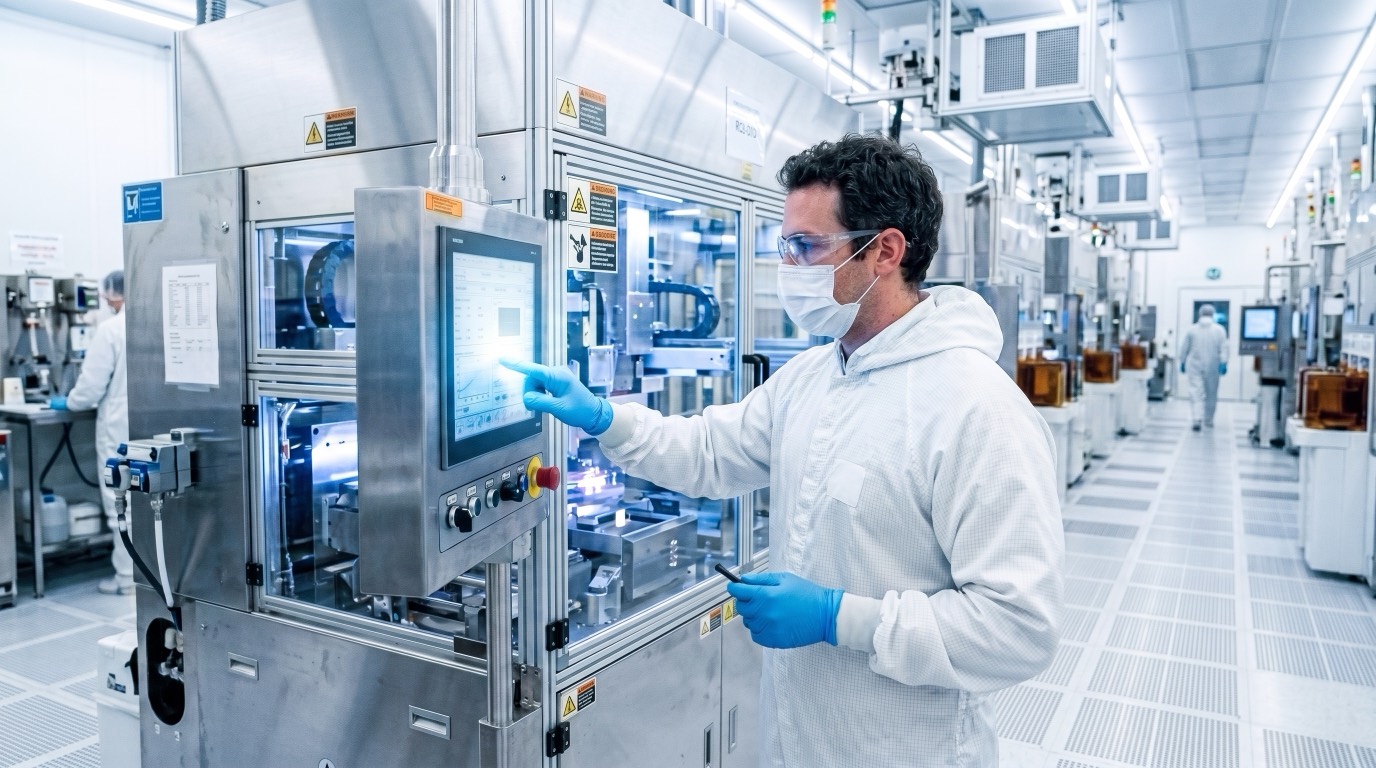
While on one hand there is tremendous growth, on the other hand, the increasing complexity of these products requires IT companies to deploy new tools and technologies to service and maintain these products. Coupled with heightened customer expectations for efficiency and service, this has created a demanding environment for the IT industry.
Understanding the Challenges in IT support and service
- +
Evolving Technological Complexity: With the integration of advanced technologies like cloud computing and AI on one hand, and more sophisticated, integrated and powerful hardware on the other, service teams in IT companies are dealing with unprecedented demands and pressure on their people, systems and processes. This requires service teams to have a deeper understanding and new skill sets for effective troubleshooting and maintenance. Inability to do so will lead to reduced service levels and customer satisfaction.
- +
Diagnostic Challenges: Hardware issues can arise due to various factors, such as power surges, physical damage, software conflicts, or human errors. Diagnosing issues in the complex hybrid environments in which IT hardware operates is challenging, as root causes might not always be obvious, and the complex components can make it difficult to pinpoint the root cause of a problem.
- +
Rapid Pace of Innovation: The IT industry is characterized by rapid technological advancements. Frequent updates and upgrades are the norm, posing challenges in maintaining service levels. This fast-paced evolution necessitates continuous learning and adaptation from technical support staff, who must stay abreast of the latest developments to effectively manage and maintain these advanced systems.
- +
Integration with Legacy Systems: Many organizations still rely on legacy systems, which can be challenging to integrate with newer, more advanced technologies. This integration is crucial for ensuring seamless operations but the disparity between old and new systems can create compatibility issues, data silos, and significant service and support challenges.
- +
Supply Chain and Logistical Challenges: Even after accurately diagnosing an issue, a technician may still need the correct part or component to carry out the repair effectively. Today, manufacturers are grappling to ensure the availability of the right spare part at the right time, as the industry is witnessing a shortage of hardware components such as hard drives, SSDs, displays and memory modules.
- +
Difficulty in Hiring Skilled Service and Support Talent: The IT sector faces a significant challenge in recruiting skilled technicians. Rapid technological advancements necessitate a workforce that is not only technically proficient but also adaptable to the changes in technology. This shortage of qualified field technicians strains existing teams and can hinder core business.
- +
Changing Job Market Dynamics: The labor market is evolving rapidly, with shifts towards remote work and fluctuating employee expectations. These changes impact how IT helpdesk, support and maintenance teams are structured and managed. Adapting to these dynamics is crucial for maintaining an effective support workforce.
- +
Rising Customer Expectations: Did you know that the average cost of IT downtime is $5,600 per minute? That means enterprises expect quick, efficient, and effective service in addition to robust round-the-clock support. The challenge lies in delivering this high level of service consistently, especially in the face of complex technical issues and evolving customer needs.
AI: The Game Changer in IT support and service
Did you know that 57% of IT businesses plan to fully adopt AI by 2025?
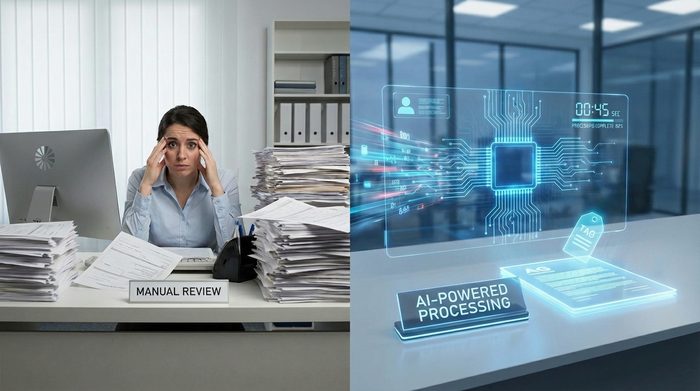
Service and support functions will be at the forefront of this wave of adoption, deploying new capabilities to help service teams accelerate successful resolutions, work with maximum efficiency, and optimize customer experiences.
AI-driven diagnostic tools excel in swiftly and accurately analyzing complex issues to deliver: Quick issue identification, personalized interactions, and self-service resolutions, Responsive decision paths, known resolutions and prediction of parts to fix, insights from historical data, root cause prediction, and continuous learning.
AI helps preserve institutional knowledge within the IT hardware sector, capturing and archiving the latest technologies, expert solutions, and best practices, thereby ensuring consistent quality and continuity of knowledge as experienced support technicians transition out of the workforce.
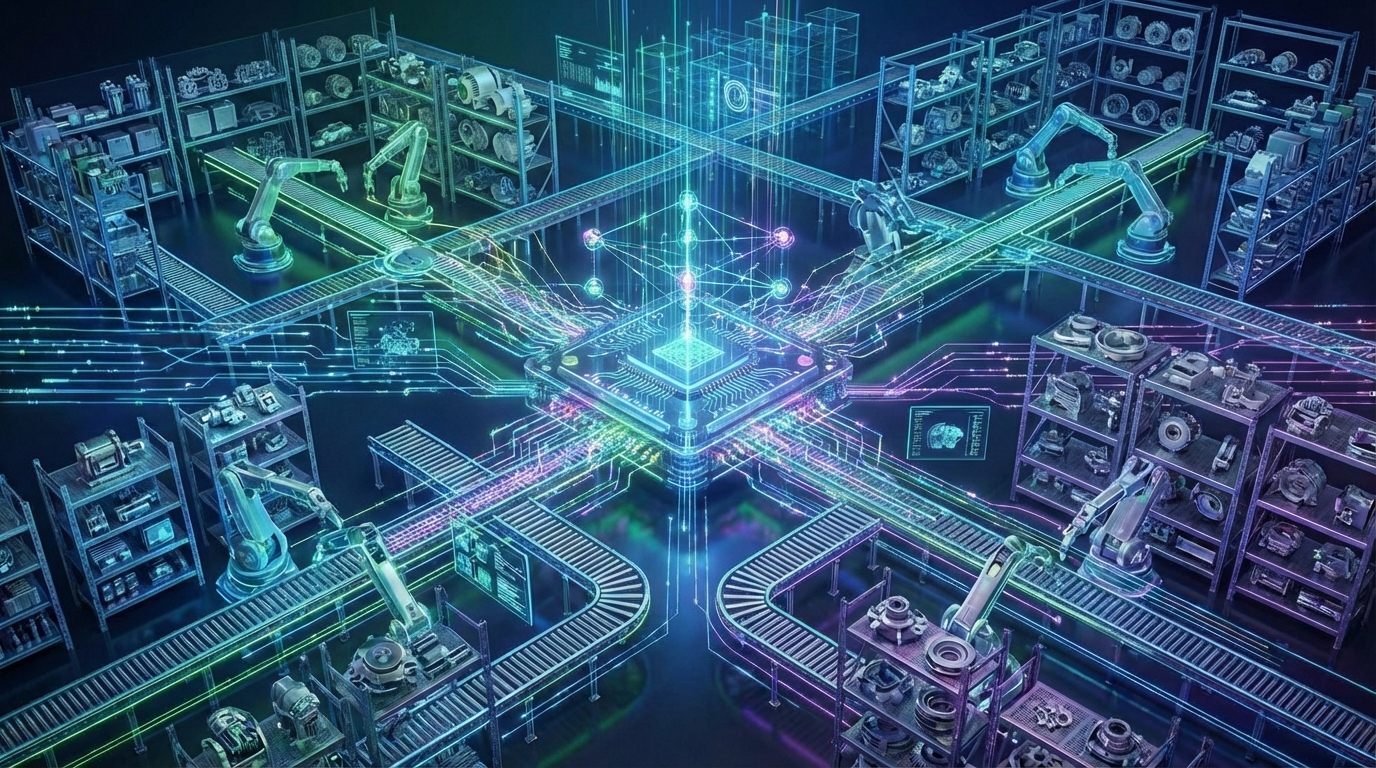
AI also facilitates the integration of cutting-edge technologies with legacy systems, ensuring seamless interoperability of technical, support and customer data so that it can be accessed in a single pane for by support teams.
How Bruviti can help
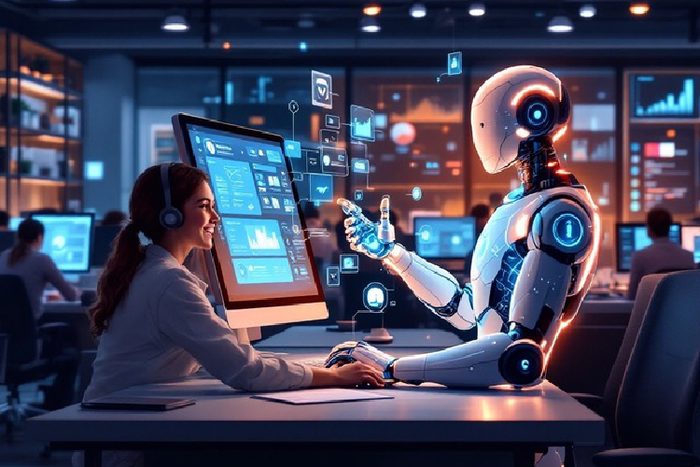
Bruviti's domain specialized equipment service AI helps IT leaders to harness the power of AI in their operations and minimize downtime and improve operational efficiency. Using AI-driven insights and knowledge, Bruviti empowers help desk agents and support technicians with the necessary tools and resources to swiftly identify and address issues. By ensuring increased visibility into potential problems and offering actionable intelligence to resolve, downtime is minimized and customer satisfaction is maximized.
Bruviti AI is delivered as a service -- embedded within your secure environment so your data stays in house, LLM training and learning is proprietary to you, and the AI outputs accurate, consistent results you can trust to make decisions.
Conclusion
The IT industry faces several challenges ranging from technological complexity, skills and people shortages and the need for new intelligent processes to meet rising customer expectations. These challenges require a strategic approach to service and support.
AI stands out as a transformative solution to the many challenges that IT companies face today.
Bruviti's domain specific equipment service AI is built to meet these challenges by resolving complex service issues faster and elevating customer experiences.
In the upcoming Part 2 of this blog series, we will discuss how Bruviti's innovative AI solutions specifically cater to the needs of the IT industry, offering a competitive edge in an evolving market.