Legacy equipment support drains margin. Quantifying remote resolution improvements justifies platform investment.
Bruviti deployment data shows AI remote support cuts parts returns 12 to 18% on industrial equipment by confirming the right component before dispatch. Builders quantify the payback in returned-part logistics, restocking, and wasted shipments, because accurate remote diagnosis means fewer wrong parts sent and fewer truck rolls to swap them.
Support engineers resolve 60-70% of incidents remotely, forcing escalations that multiply cost per incident. Manual telemetry analysis extends session duration and increases labor expense.
Engineers spend 45-90 minutes per remote session parsing logs, searching documentation, and diagnosing failures. Extended session time reduces throughput and raises labor cost per incident.
30-40% of remote sessions escalate to senior engineers or specialized teams. Each escalation adds handoff time, context loss, and delays resolution by 2-4 days.
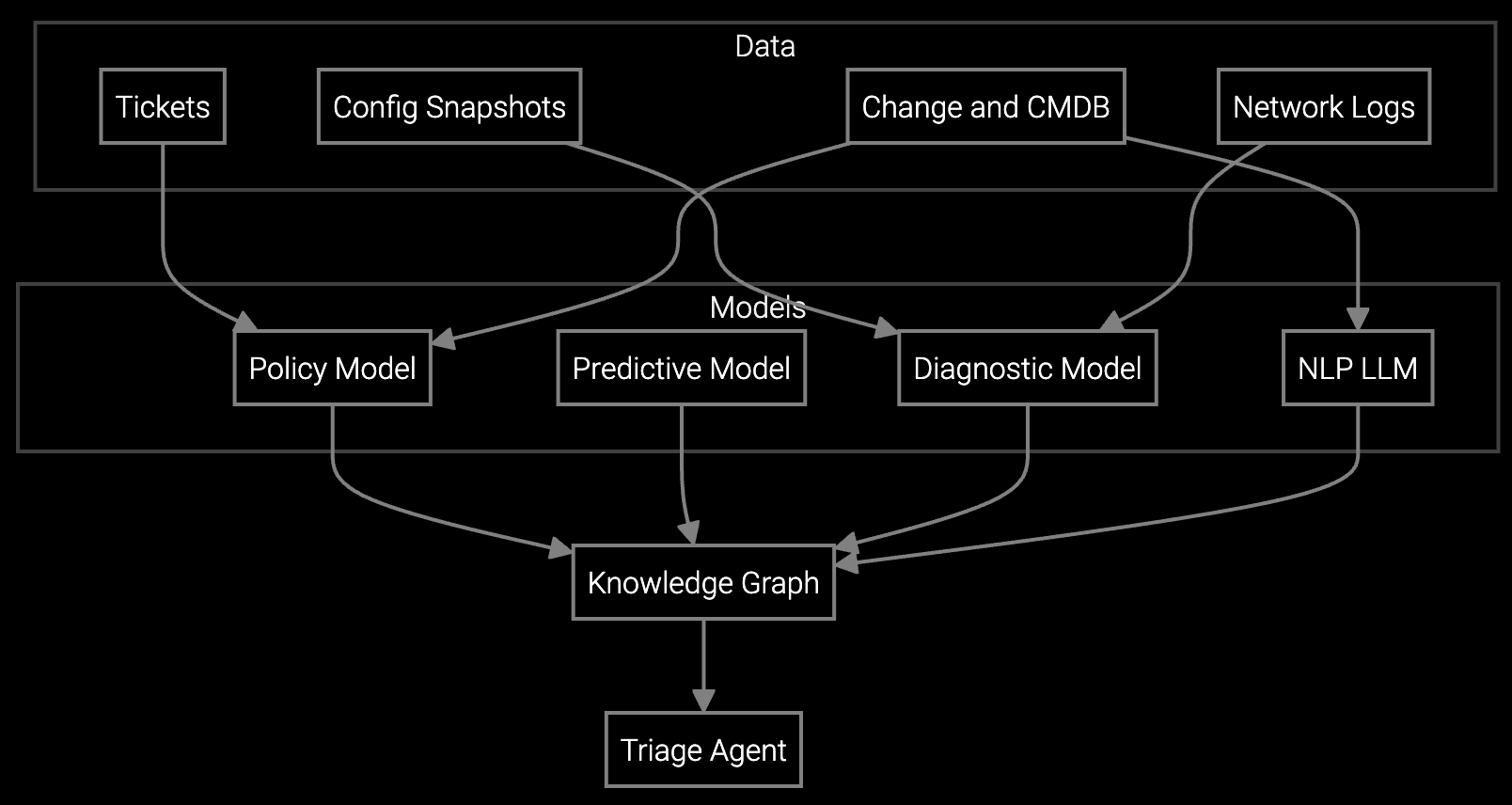
Bruviti's platform ingests telemetry from PLCs, SCADA systems, and IoT sensors to automate root cause analysis during remote sessions. APIs parse log files, correlate fault patterns across equipment cohorts, and surface guided troubleshooting workflows that increase first-session resolution rates.
The system indexes resolution history and captures session outcomes to build a knowledge base that reduces redundant analysis. Python SDKs enable custom integrations with existing remote access tools and ticketing systems, avoiding vendor lock-in while preserving data sovereignty.
Industrial equipment OEMs support 10-30 year lifecycles with geographically distributed installed bases. Remote support costs accumulate through extended session durations on legacy machinery and high escalation rates when documentation gaps block diagnosis.
AI-automated log parsing addresses condition-based maintenance scenarios where vibration, temperature, and pressure telemetry indicate failure modes. Remote resolution rate improvements defer expensive interventions and preserve margin on long-tail service contracts.
Cost savings derive from reduced escalations and shorter session durations. If remote resolution climbs from 65% to 85%, escalation volume drops 20 percentage points. Multiply avoided escalations by average escalation cost (labor hours plus delay penalty) to estimate annual savings. Session duration reduction compounds through increased engineer throughput.
Track remote resolution rate, average session duration, escalation rate, and cost per incident resolved. Benchmark before implementation and measure monthly. ROI becomes visible when reduced labor hours and avoided escalations exceed platform and integration costs.
ROI typically appears within 6-9 months as remote resolution rates improve and session durations decline. Time to value depends on integration speed, telemetry data quality, and equipment population size. Larger installed bases with high incident volume accelerate payback.
Yes. Bruviti's Python and TypeScript SDKs integrate with TeamViewer, LogMeIn, and custom remote access platforms. APIs ingest telemetry feeds from SCADA, PLC, and IoT sensors without requiring proprietary connectivity infrastructure. You retain data sovereignty and avoid vendor lock-in.
Legacy industrial equipment with sparse telemetry still benefits from session knowledge capture and guided troubleshooting workflows. The platform indexes resolution history and surfaces similar past incidents to reduce redundant analysis. ROI scales with telemetry richness but doesn't require comprehensive sensor coverage.
Software stocks lost nearly $1 trillion in value despite strong quarters. AI represents a paradigm shift, not an incremental software improvement.
Function-scoped AI improves local efficiency but workflow-native AI changes cost-to-serve. The P&L impact lives in the workflow itself.
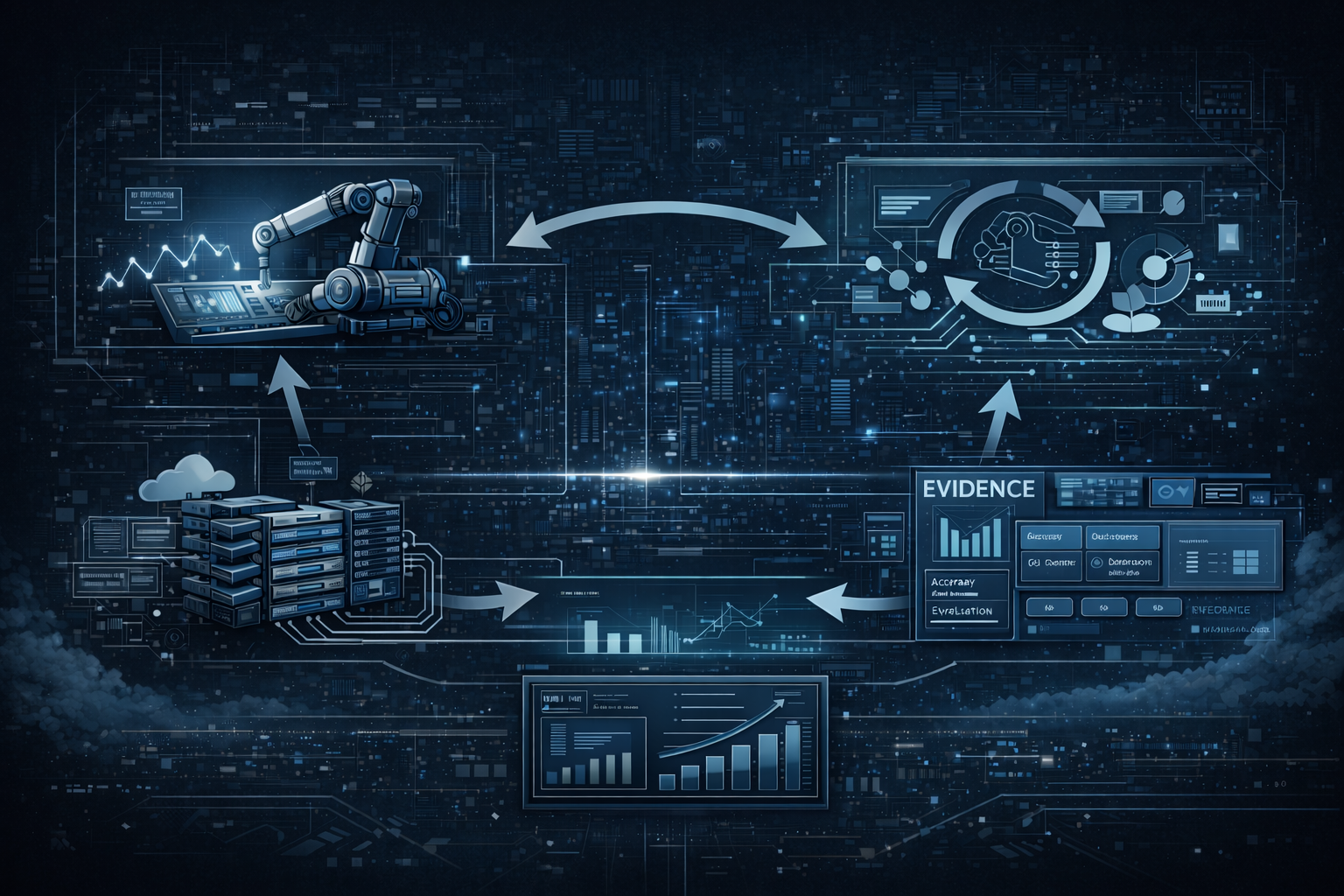
Five key shifts from deploying nearly 100 enterprise AI workflow solutions and the GTM changes required to win in 2026.
Review API documentation and integration architecture to estimate implementation effort and payback timeline.
Talk to an Expert