
Network downtime costs escalate warranty exposure while fraudulent RMAs erode margins—CFOs demand measurable ROI before investing.
Bruviti deployment data shows AI cuts network equipment warranty processing time by 90% while saving 200-300 analyst hours per month. Executives convert the drop from 8-12 minutes to under 1 minute per claim into reclaimed labor cost, faster cash recovery on valid claims, and 30% fewer reporting errors that previously triggered rework.
Network equipment failures spike unpredictably during firmware transitions or after major deployments. Finance teams over-reserve to avoid quarterly surprises, locking capital that could fund growth initiatives.
Routers and switches returned under warranty arrive at depots fully functional. Reverse logistics, refurbishment labor, and replacement shipments consume margin while the root cause—customer misconfiguration—goes unaddressed.
Resellers and integrators submit RMAs for out-of-warranty equipment or units never purchased from authorized channels. Manual entitlement checks miss sophisticated fraud patterns, approving claims that should be denied.
The platform analyzes historical claims data, failure telemetry from deployed network equipment, and entitlement records to predict which RMAs represent genuine hardware failures versus configuration errors or fraudulent submissions. This shifts warranty management from reactive cost absorption to proactive margin protection.
For a network OEM processing 50,000 annual warranty claims at $400 average handling cost, preventing 30% of invalid returns saves $6M annually. Add recovered warranty reserve overallocation—typically 18-22% of total accruals—and the financial impact reaches $10-15M for mid-tier manufacturers. Implementation requires 4-6 weeks for data integration and model training, with ROI positive by month seven as fraud detection and NFF prediction accuracy stabilize above 85%.
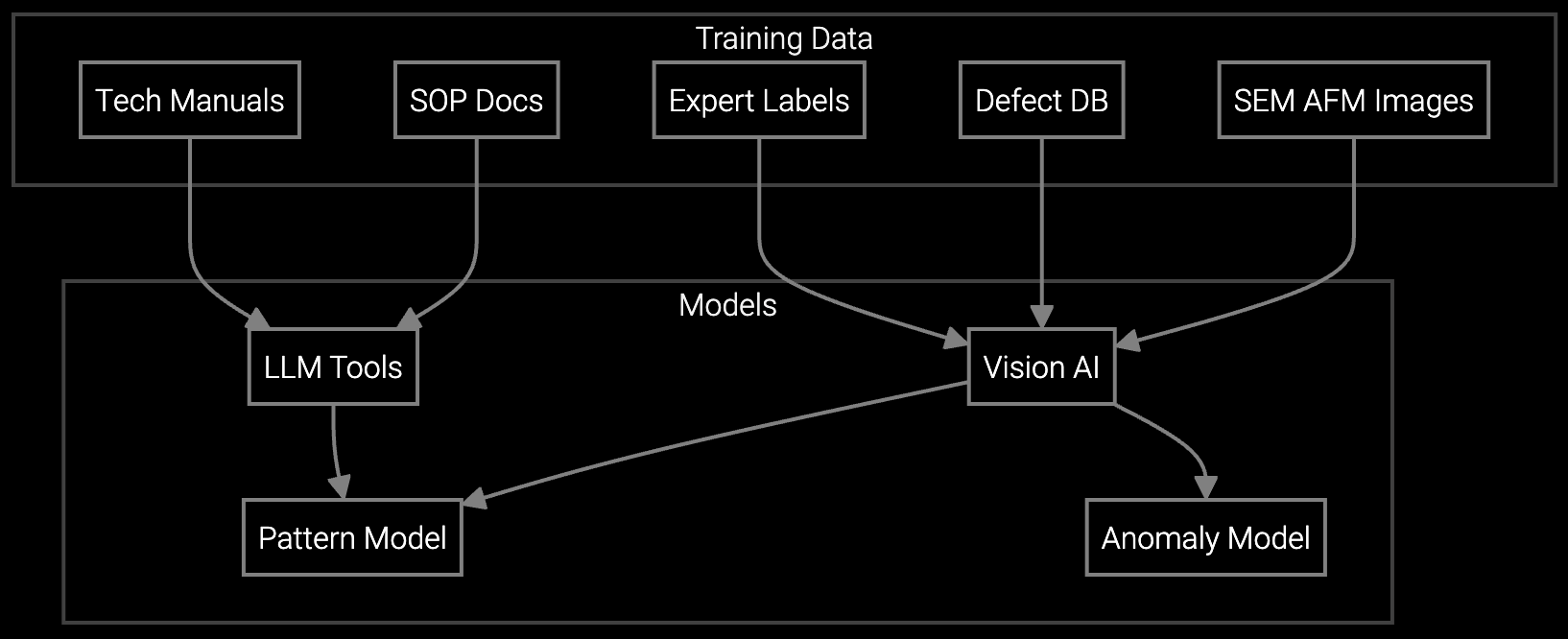
Analyze microscopic images of returned network ASICs to identify manufacturing defects versus field damage, validating warranty claims with forensic precision.
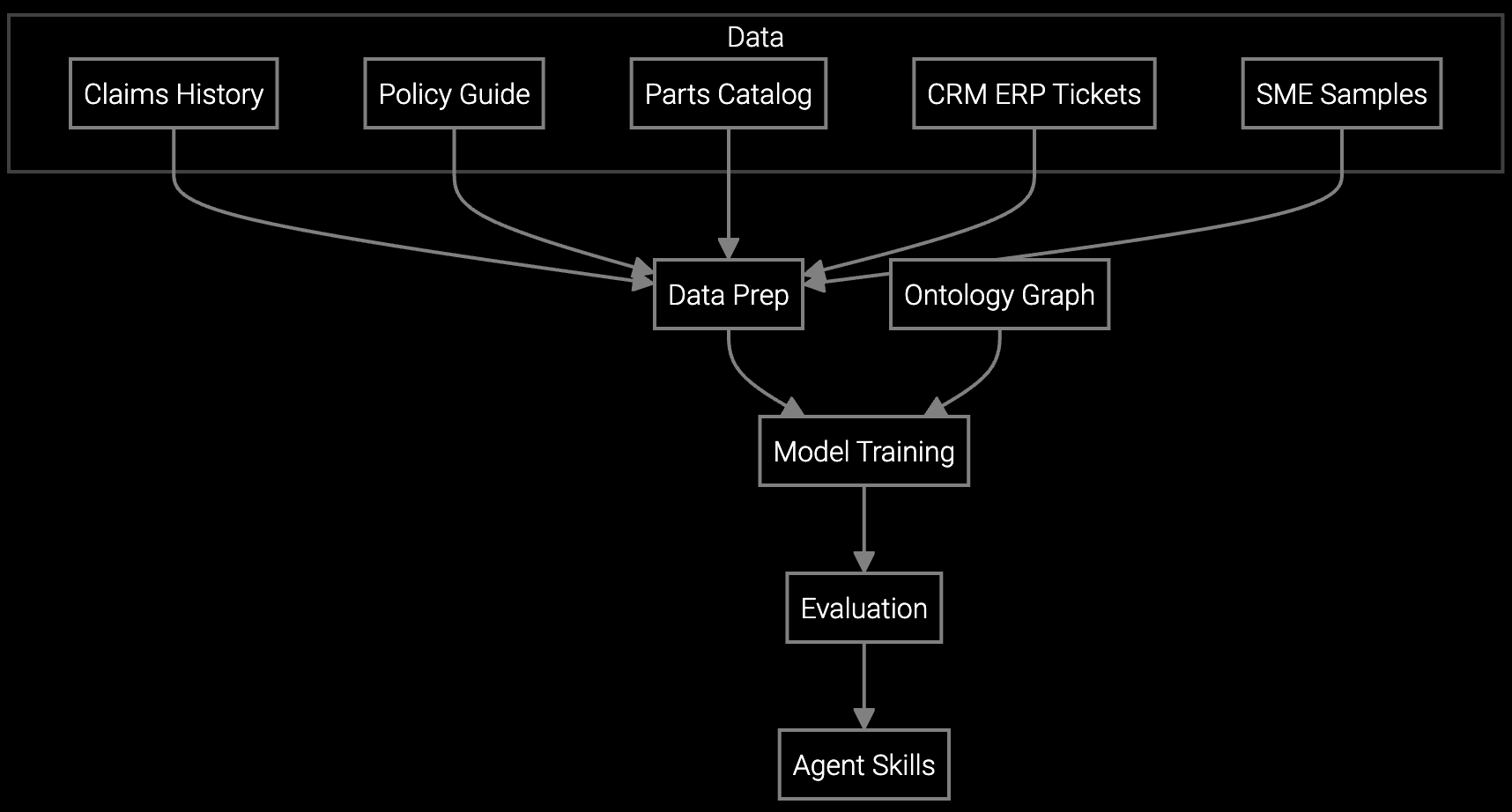
Automatically classify router and switch failure modes from RMA descriptions, reducing manual coding labor by 70% while improving analytics quality.
Network equipment warranty costs concentrate in three high-value areas: carrier-grade routers with $50K+ replacement costs where single fraudulent claims materially impact quarterly results; firmware-related RMAs where configuration errors masquerade as hardware failures; and multi-vendor environment complexity where entitlement verification requires cross-referencing purchase records across reseller networks.
The financial model shifts when the platform correlates syslog data, SNMP traps, and firmware version history with warranty claims. A pattern emerges: 40% of switch RMAs tied to a specific firmware build show zero hardware defects upon depot inspection. Blocking these returns before replacement shipment prevents $400K monthly in unnecessary logistics and refurbishment costs for a manufacturer shipping 10,000 units monthly.
Warranty reserve accuracy, NFF rate, claims processing cost per unit, and fraudulent claim percentage drive quarterly financial reporting. Network OEMs targeting 99.999% uptime SLAs face penalty clauses that make warranty cost predictability critical. AI platforms reduce reserve volatility by 15-25% through failure prediction that stabilizes accrual models.
Implementation spans 4-6 weeks for data integration and initial model training. Cost avoidance begins immediately as fraud detection blocks invalid RMAs, but full ROI realization requires 6-9 months for NFF prediction models to reach 85%+ accuracy. Mid-market OEMs processing 50,000 annual claims typically recover implementation costs by month seven through prevented returns and reduced processing labor.
Yes, by analyzing telemetry patterns from deployed routers and switches. The platform identifies failure signatures—specific combinations of error logs, temperature spikes, and firmware behaviors—that precede hardware failures by 30-90 days. This enables proactive replacement during scheduled maintenance windows, avoiding customer-impacting outages and the emergency RMAs that carry 3-4x higher processing costs.
The platform cross-references serial numbers against purchase records, authorized reseller databases, and historical claim patterns in milliseconds. It flags mismatches like equipment never sold through authorized channels, units already replaced under previous RMAs, or serial number patterns associated with known fraud networks. Manual verification of these 8-12% suspicious claims prevents approval of invalid returns that would otherwise consume warranty budget.
Track four board-ready metrics: warranty cost as percentage of revenue declining 0.5-1.2 percentage points annually; NFF rate dropping from 30-40% baseline to 15-20% within twelve months; claims processing time falling 40-50% through automation; and warranty reserve adjustments decreasing from quarterly surprises to predictable quarterly accruals within tolerance bands. These combined improvements demonstrate margin protection that justifies platform investment to CFOs and boards.

Software stocks lost nearly $1 trillion in value despite strong quarters. AI represents a paradigm shift, not an incremental software improvement.

Function-scoped AI improves local efficiency but workflow-native AI changes cost-to-serve. The P&L impact lives in the workflow itself.

Five key shifts from deploying nearly 100 enterprise AI workflow solutions and the GTM changes required to win in 2026.
Model the financial impact of AI-driven warranty management on your network equipment business with our TCO calculator.
Schedule ROI Analysis