
When your customers demand sub-hour response times, every minute agents spend searching for answers costs you margin and contract renewals.
Bruviti deployment data shows AI recommendation and automation save more than 200 agent hours per month and lift protection plan conversions 15% or more. Executives quantify customer service ROI from both sides: labor hours recovered and new revenue captured per resolved data center support interaction.
Agents toggle between CRM, knowledge base, BMC telemetry dashboards, and Slack channels to piece together server failure patterns. Each search adds delay when your customer's production workload is offline.
Agents escalate cases they could resolve if they had the right diagnostic context. Each escalation extends resolution time and increases the risk of SLA breach for your customer.
Different agents provide different guidance for identical failure modes across your server product lines. Inconsistency erodes customer trust and increases repeat contact volume.
Bruviti's platform ingests BMC telemetry, service history, and knowledge base content to deliver instant diagnostic context to agents handling data center equipment failures. The AI correlates server health metrics, firmware versions, and past case patterns to recommend resolution paths during live customer interactions.
Agents see the probable root cause, relevant troubleshooting steps, and similar resolved cases without leaving their ticketing system. The platform learns from every resolution, continuously refining recommendations based on what actually works in your customer environments. This eliminates the knowledge fragmentation that drives up handle time and forces unnecessary escalations.
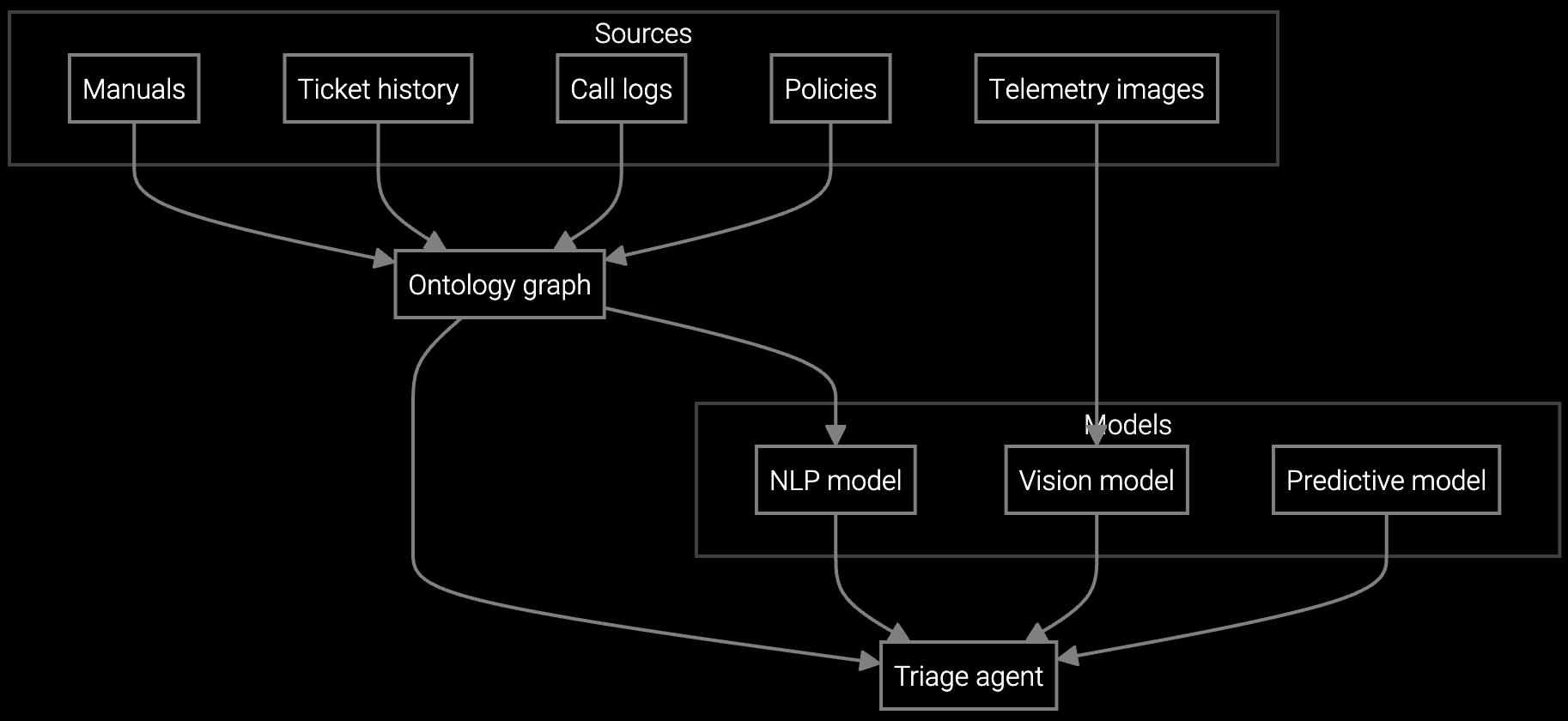
Analyze BMC telemetry and RAID health data to route server failure cases to the correct support tier with diagnostic context, eliminating blind escalations.
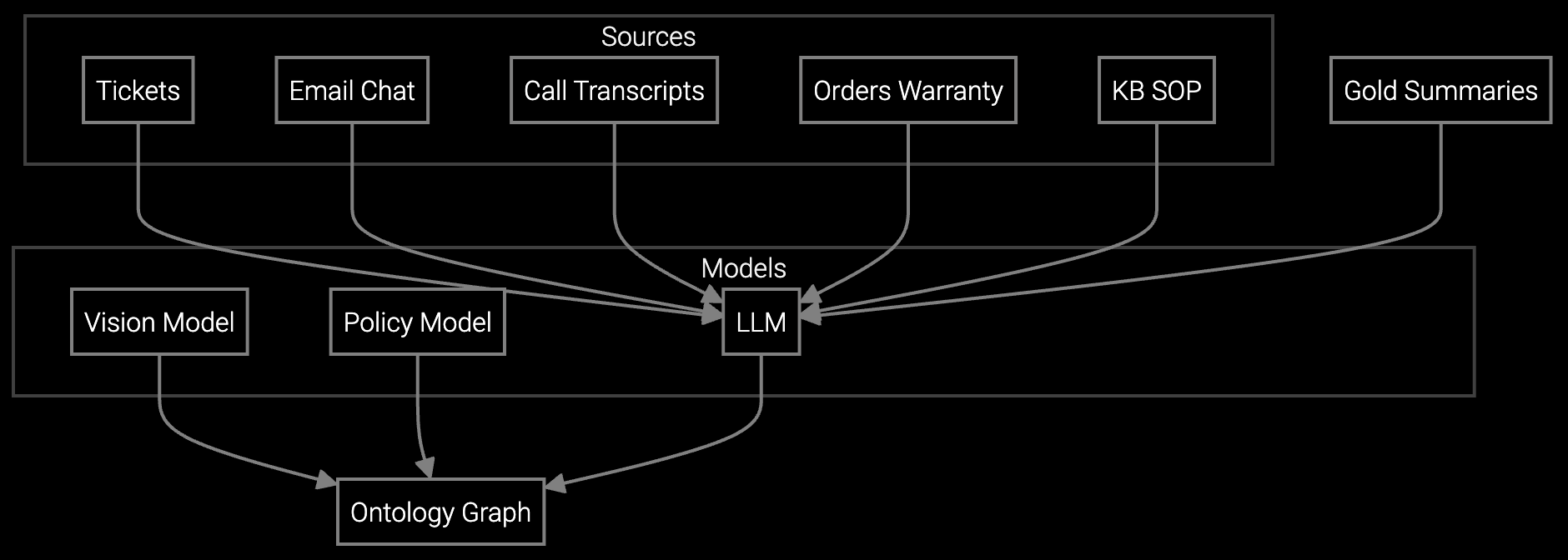
Generate instant summaries of multi-touch case histories so agents understand the full context of server fleet issues without reading through 20+ email threads.
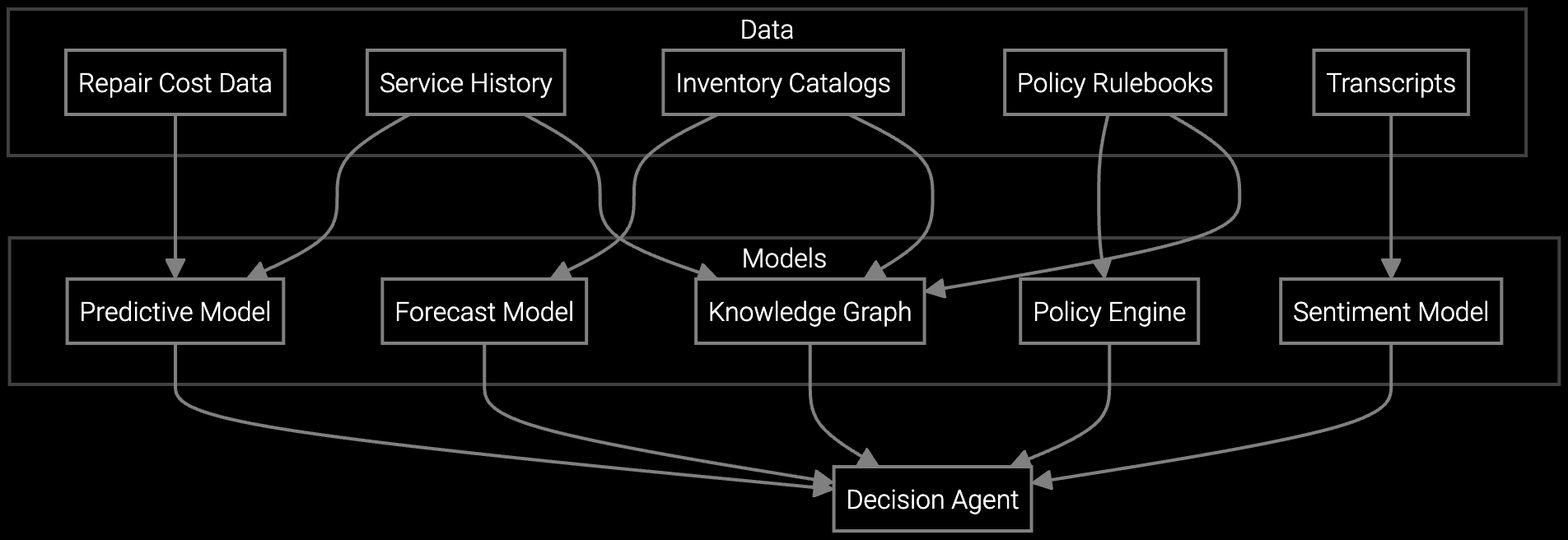
Analyze failure patterns, equipment age, and warranty status to recommend the most cost-effective path for data center hardware failures.
Your customers operate under 99.99% availability SLAs where every minute of server downtime costs them thousands in lost revenue and reputation damage. When an agent can't quickly diagnose a thermal anomaly or storage array failure, your customer's production workload sits idle and your SLA clock runs.
The ROI calculation is direct: faster case resolution protects your customer's uptime, which protects your service contract renewals and reduces SLA penalty exposure. At scale across thousands of customer sites, the margin impact is measurable in quarters, not years.
Calculate baseline cost per contact (agent labor + overhead), then measure reduction in average handle time and improvement in first-contact resolution. A 200-seat contact center typically sees $2-3M annual savings from 35-40% handle time reduction. Factor in reduced escalations and SLA penalty avoidance for complete ROI.
Most data center equipment manufacturers achieve positive ROI within 9-12 months. Handle time improvements begin within 60 days of deployment as the AI learns from your case patterns. Full value realization depends on integration scope and agent adoption rates across your support organization.
Average handle time and knowledge retrieval speed improve immediately as agents access instant diagnostic context. First-contact resolution follows within 90 days as agents gain confidence handling cases they previously escalated. Customer satisfaction scores improve as resolution speed increases and response consistency improves.
Data center equipment manufacturers typically target 35-45% handle time reduction and 15-20 percentage point FCR improvement. Best-in-class organizations achieve $78-95 cost per contact compared to $120-140 industry baseline. Track these metrics quarterly and compare against your pre-AI baseline rather than absolute benchmarks.
Include data integration effort to connect BMC telemetry feeds and historical case data. Budget for agent training and change management to drive adoption. Factor ongoing model refinement as your product lines evolve. Most organizations underestimate change management costs, which can delay time-to-value if not addressed upfront.

Understanding and optimizing the issue resolution curve.

Part 1: The transformation of IT support with AI.
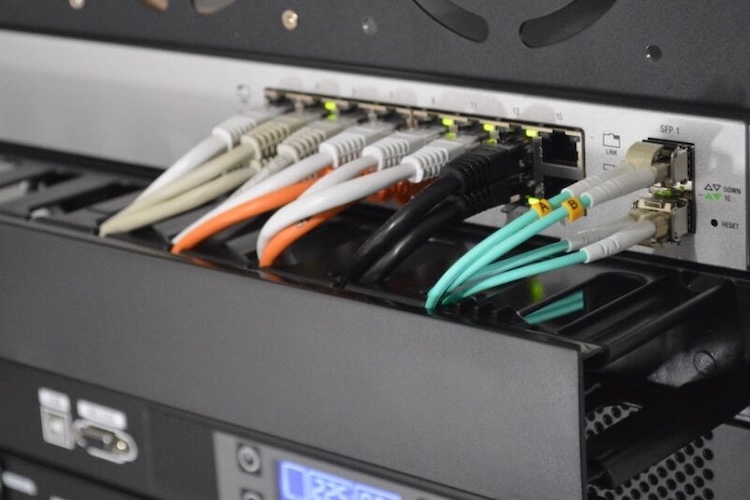
Part 2: Implementing AI in IT support.
See how data center OEMs use Bruviti to reduce support costs while protecting customer SLAs.
Schedule Demo