
Warranty costs spiral when manual claim validation slows your team and NFF returns flood back—automation cuts that cycle.
AI warranty-claims automation cuts appliance warranty claim handling from 8-12 minutes to under 1 minute per claim while auto-coding 75-85% of intake, per Bruviti deployment data. Roll it out alongside your current returns desk: the AI codes and routes the bulk of claims, your team handles only the flagged exceptions, with no workflow rip-and-replace.
Switching between warranty systems, model databases, and purchase records for every claim eats hours. Customers wait while you hunt for serial numbers and coverage dates across disconnected systems.
Approving returns without diagnosis means refrigerators, washers, and HVAC units come back with nothing wrong. You pay for reverse shipping, inspection, and restocking—then discover the customer just needed troubleshooting.
Categorizing claims by failure type, deciding refund versus replacement, and flagging suspicious patterns requires deep product knowledge. New processors make mistakes that inflate warranty reserves.
Start by connecting Bruviti's platform to your warranty management system via REST APIs. The entitlement verification module pulls serial numbers, purchase dates, and coverage terms into a single lookup—replacing the tab-switching routine with instant validation. Your existing claim forms stay in place; the platform runs checks in the background and flags mismatches before you submit.
Next, integrate return telemetry feeds from connected appliances. When a customer initiates a return for a smart refrigerator or HVAC system, the platform automatically analyzes error logs, temperature patterns, and usage history to determine if a physical return is necessary or if remote troubleshooting can resolve the issue. This NFF detection workflow surfaces a recommended action—approve return, deny with guidance, or escalate for technical review—so you validate rather than investigate from scratch. Training takes under a week because the interface mirrors your current workflow with added decision support.
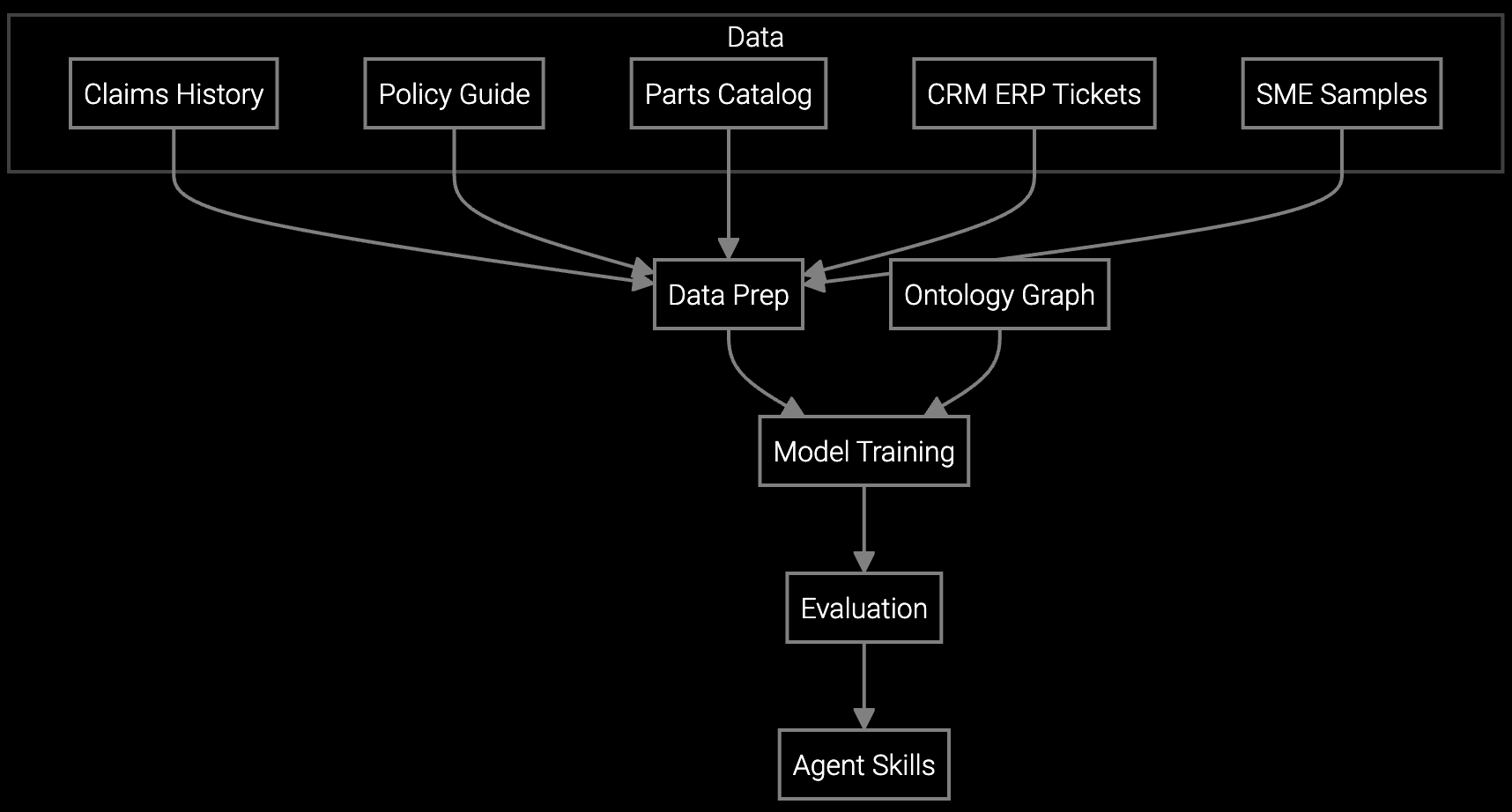
Automatically classify refrigerator compressor failures, dishwasher pump defects, and HVAC control board issues—reducing manual coding time by 70% while standardizing failure categories across product lines.
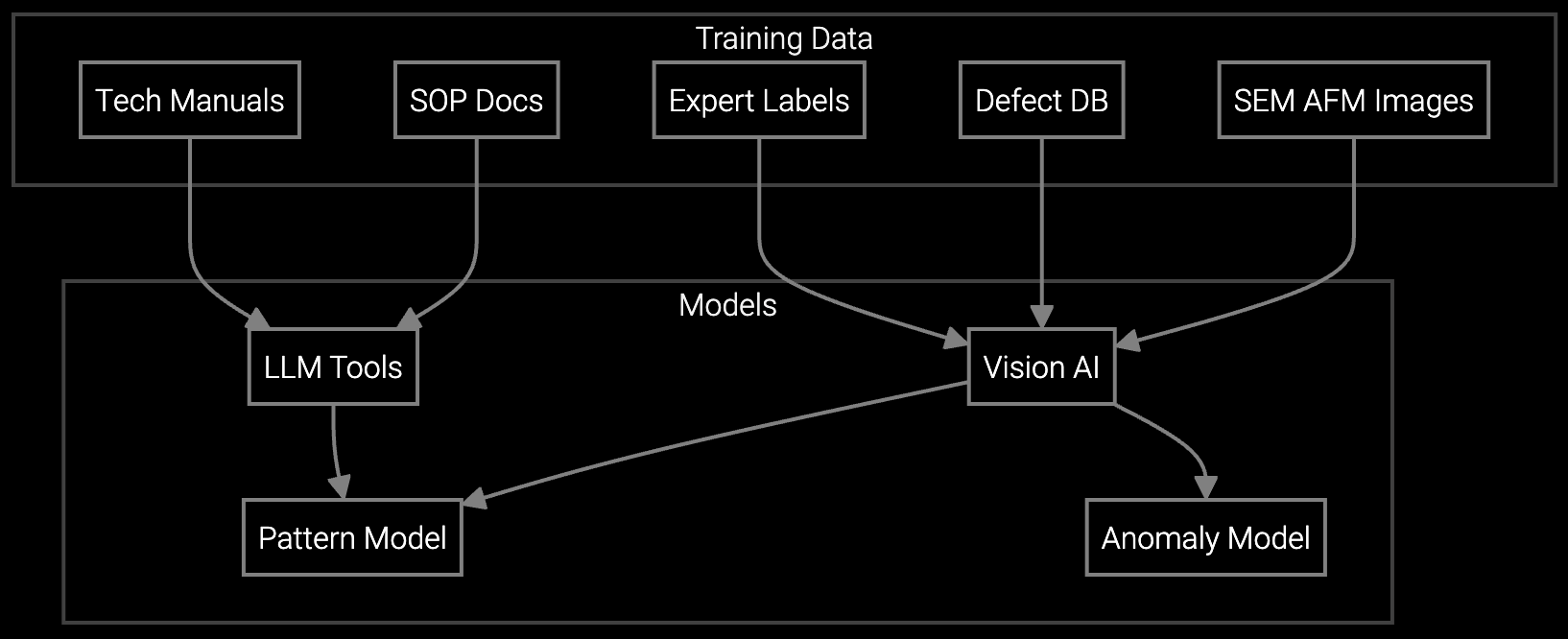
For high-value commercial appliances, AI analyzes microscopic images of returned components to validate warranty claims, identifying manufacturing defects versus wear-and-tear to reduce fraudulent approvals.
Appliance warranty claims spike during summer for refrigerators and air conditioners, and during winter for heating systems. High-volume periods overwhelm manual processors, causing backlog and customer dissatisfaction. The platform scales automatically during peak seasons—HVAC claims processing that normally takes 48 hours drops to same-day turnaround because entitlement checks, diagnostic analysis, and fraud screening run in parallel without adding headcount.
Connected appliances generate continuous telemetry, but most warranty teams lack tools to use that data for claim validation. Integrating IoT feeds lets the platform detect if a dishwasher's reported leak matches sensor logs or if a refrigerator's "failed compressor" claim shows normal temperature curves. This telemetry-driven validation reduces NFF returns by catching customer misdiagnosis before shipping labels go out.
Standard REST API integration with warranty management systems like SAP Warranty Management or Salesforce Service Cloud takes 2-3 weeks. The platform provides pre-built connectors for major systems, requiring only credential configuration and field mapping. Legacy systems without APIs use batch file imports updated nightly.
No. The platform operates as a validation layer behind your current workflow. Processors submit claims through the same forms or screens they use today. Bruviti runs entitlement checks, NFF risk scoring, and fraud detection in the background, surfacing alerts and recommendations within the existing interface.
For non-connected appliances like older refrigerators or basic microwaves, the platform uses historical warranty data and failure pattern analysis instead of real-time telemetry. It flags claims that match known fraudulent patterns, identifies customers with abnormal return rates, and suggests diagnostic questions based on reported symptoms to reduce unnecessary returns.
Processors complete a 4-hour training covering how to interpret AI recommendations, override decisions when needed, and escalate edge cases. The interface shows confidence scores for each validation check, explaining why a claim was flagged for review. Most teams reach full proficiency within the first week of processing live claims.
Yes. Most appliance manufacturers start with a single high-volume product category like refrigerators or washing machines. The pilot runs parallel to existing processes for 4-6 weeks, allowing side-by-side comparison of NFF rates, processing times, and fraud detection accuracy before expanding to HVAC systems, dishwashers, and other product lines.
Software stocks lost nearly $1 trillion in value despite strong quarters. AI represents a paradigm shift, not an incremental software improvement.
Function-scoped AI improves local efficiency but workflow-native AI changes cost-to-serve. The P&L impact lives in the workflow itself.
Five key shifts from deploying nearly 100 enterprise AI workflow solutions and the GTM changes required to win in 2026.
See how Bruviti's platform integrates with your warranty systems in a 30-minute demo.
Schedule Demo