
High-volume server and storage returns demand instant entitlement verification and automated claim routing to prevent backlog.
Bruviti deployment data shows AI-assisted warranty processing hits 95% coding consistency while auto-coding 75-85% of claims. Data center service teams deploy it to standardize how every claim is classified, so the same failure is coded the same way every time and downstream parts and reliability data stays clean.
Processing thousands of server and storage RMAs requires manually categorizing failure modes, looking up entitlement status across multiple systems, and cross-referencing BMC logs to validate claims.
Up to 30% of returned drives and memory modules show no defects during refurbishment testing, creating unnecessary reverse logistics costs and inflating warranty reserves.
Without systematic pattern detection, invalid returns for out-of-warranty equipment or non-genuine parts go unnoticed until refurbishment, eroding warranty reserves and margin.
The platform connects to your existing RMA system via API to ingest warranty claims, serial numbers, and failure descriptions. It cross-references BMC telemetry feeds and entitlement databases to validate each claim automatically. For server and storage equipment, the system parses IPMI logs, SMART drive data, and thermal history to identify genuine failure patterns versus user-induced damage or premature returns.
Bruviti routes straightforward cases through automated approval workflows while flagging high-risk claims for specialist review. The system learns from your refurbishment outcomes to continuously refine NFF prediction and fraud detection models. Setup requires minimal IT involvement—most deployments complete initial integration within two weeks and reach full automation within 60 days as the models train on historical claim data.
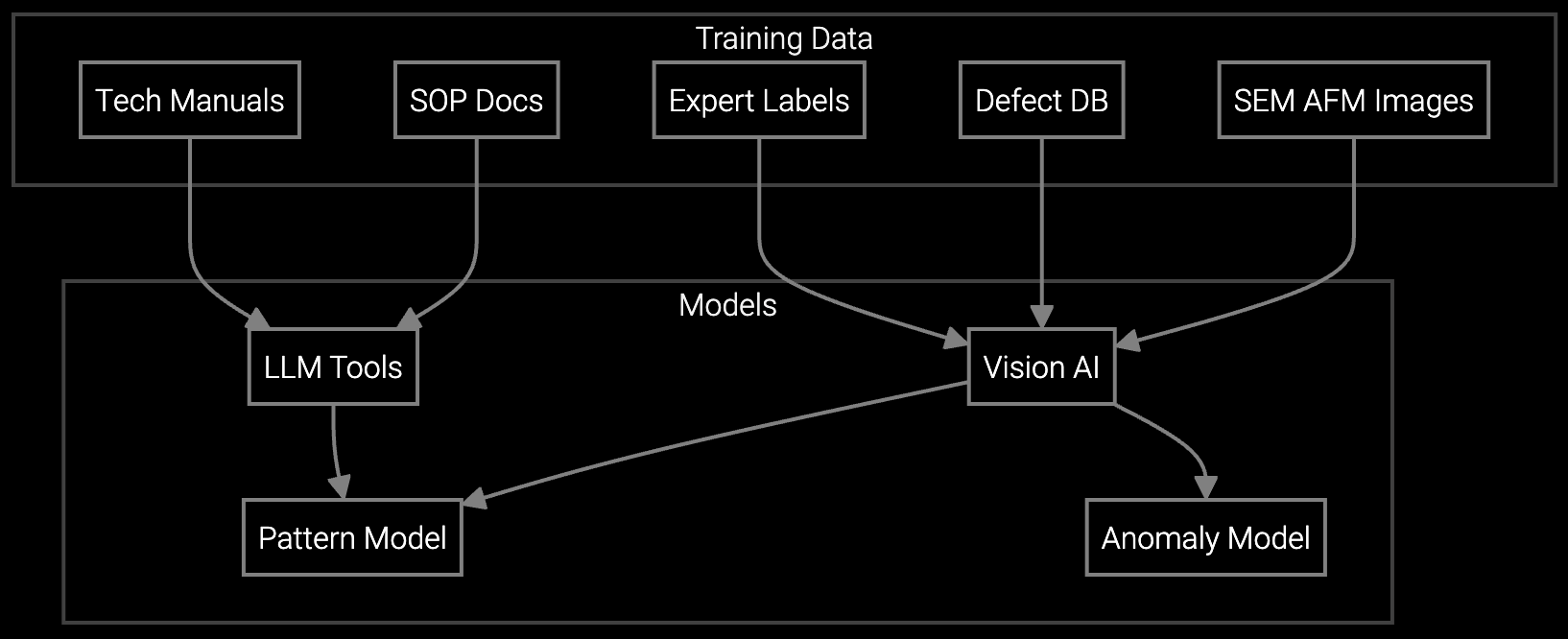
Automatically analyze microscopic images from failed storage controllers and memory modules to classify defects and validate warranty claims for data center hardware.
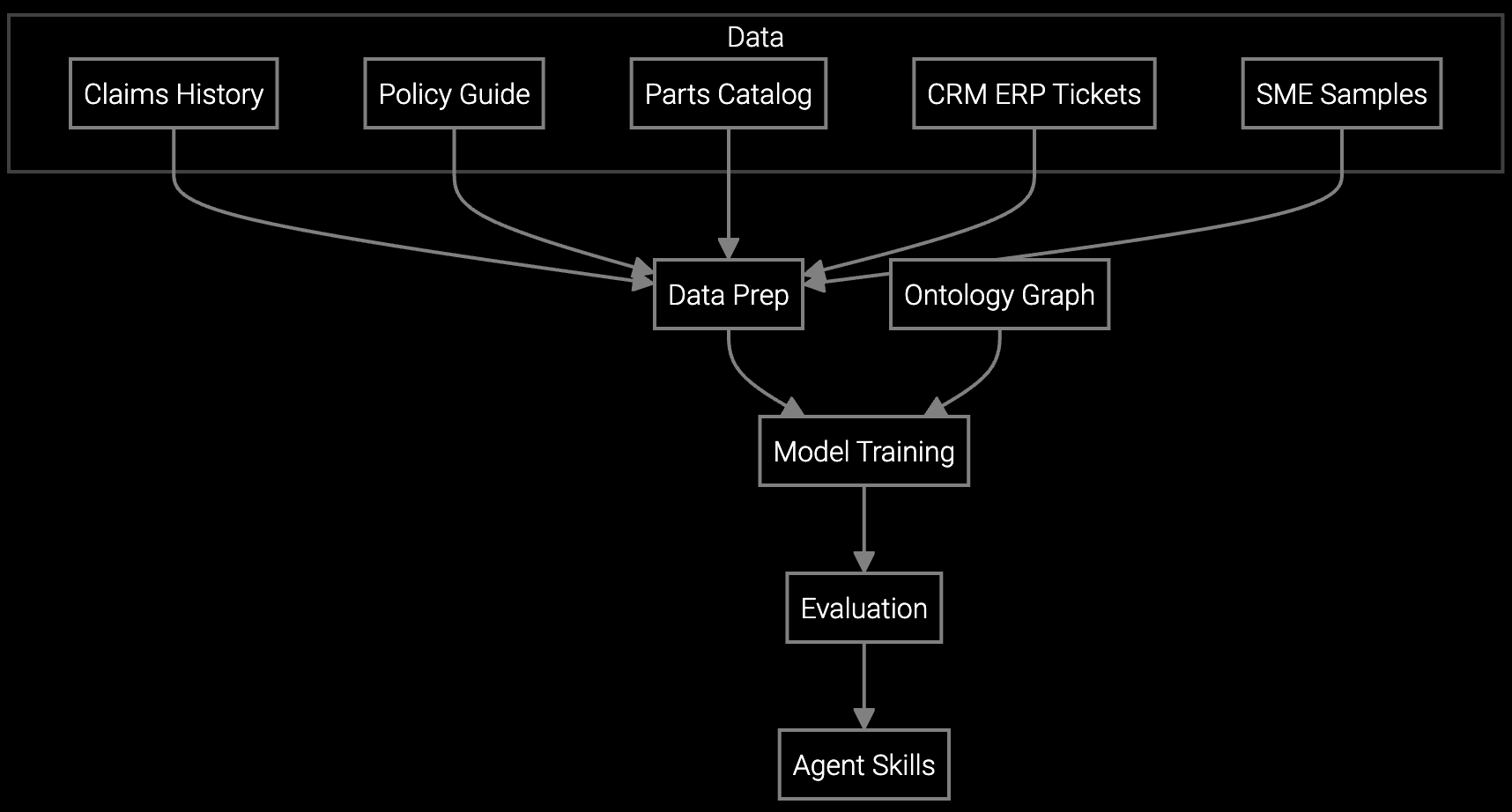
Auto-classify server and storage RMAs by parsing BMC logs, SMART data, and failure descriptions to route claims instantly without manual intervention.
Data center server and storage OEMs process warranty claims for thousands of compute nodes, drives, and power supplies monthly. The platform ingests IPMI telemetry, RAID controller logs, and BMC event histories to correlate reported failures with actual hardware behavior patterns. This telemetry-driven validation identifies thermal-induced failures, power anomalies, and genuine component defects versus configuration errors or premature returns.
For hyperscale customers running mixed-generation fleets, the system tracks entitlement status across SKU variants and service contract tiers automatically. Integration with existing ERP and warranty management systems happens through REST APIs—no custom middleware required. The automation handles volume spikes during hardware refresh cycles without adding headcount to your warranty operations team.
Initial API integration and data ingestion typically complete within two weeks. Full automation—where the system handles 80%+ of claims without human review—usually takes 60 days as the models train on your historical claim outcomes and refurbishment data.
The platform ingests RMA claim forms, serial number databases, entitlement records, and equipment telemetry (BMC logs, IPMI data, SMART drive metrics). For data center hardware, thermal history and power event logs provide the strongest signals for distinguishing genuine failures from user-induced issues.
Yes. The platform runs in parallel with your existing workflow during the initial phase, flagging claims for review without blocking processing. Once accuracy thresholds are validated, you enable auto-approval for low-risk claims while continuing manual review for complex cases.
By analyzing equipment telemetry before issuing an RMA, the platform identifies cases where reported symptoms don't match actual failure patterns. It flags likely configuration errors, firmware issues, or environmental factors that won't show defects during refurbishment testing, allowing you to redirect those cases to technical support instead.
The platform routes flagged claims to your warranty specialist queue with a detailed explanation of the risk factors (entitlement mismatch, telemetry anomalies, historical patterns). You retain full control over approval decisions—the system provides evidence, not final judgment.
Software stocks lost nearly $1 trillion in value despite strong quarters. AI represents a paradigm shift, not an incremental software improvement.
Function-scoped AI improves local efficiency but workflow-native AI changes cost-to-serve. The P&L impact lives in the workflow itself.

Five key shifts from deploying nearly 100 enterprise AI workflow solutions and the GTM changes required to win in 2026.
See how Bruviti deploys in your RMA environment with a live walkthrough.
Schedule Setup Call