
Manual claims verification across legacy warranty systems costs you hours per claim and leaves money on the table.
AI warranty-claims automation auto-adjudicates 60-80% of industrial equipment warranty claims and codes 75-85% of them in under 1 minute each, per Bruviti deployment data. Operators route only exceptions to staff, so a queue that took 8-12 minutes per claim clears itself, saving 200-300 analyst hours per month with consistent decisions.
You toggle between warranty databases, ERP systems, and spreadsheets to verify coverage. Each lookup takes 8-12 minutes while customers wait on hold.
You manually copy serial numbers, failure codes, and customer details into RMA forms. Typos create downstream delays in parts ordering and refurbishment tracking.
Invalid claims slip through because you lack tools to flag duplicate serials, out-of-warranty units, or inconsistent failure descriptions at submission time.
The platform integrates with your existing warranty databases via REST APIs to pull entitlement status, service history, and parts eligibility in real time. When a claim arrives, AI automatically verifies coverage, checks for fraud patterns like duplicate serials or mismatched failure codes, and generates a pre-filled RMA with correct routing codes.
You review the AI-validated claim in a single pane instead of switching between five systems. Approve with one click, and the RMA flows automatically to logistics and refurbishment queues. No more manual data entry, no more 12-minute lookups, no more missed fraud at intake.
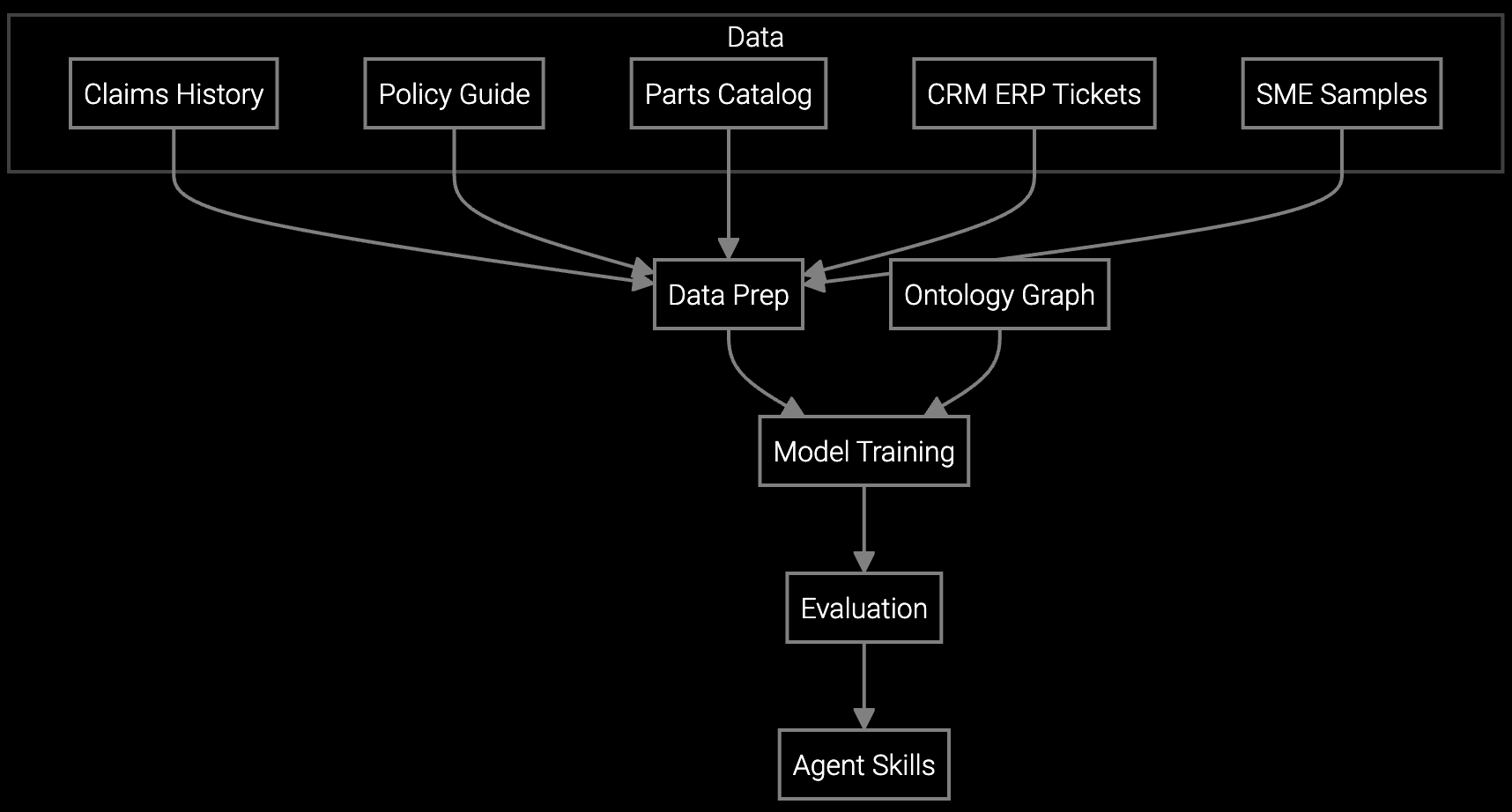
Automatically classify and code warranty claims for industrial machinery, reducing manual processing time and improving accuracy for pumps, compressors, and CNC equipment returns.
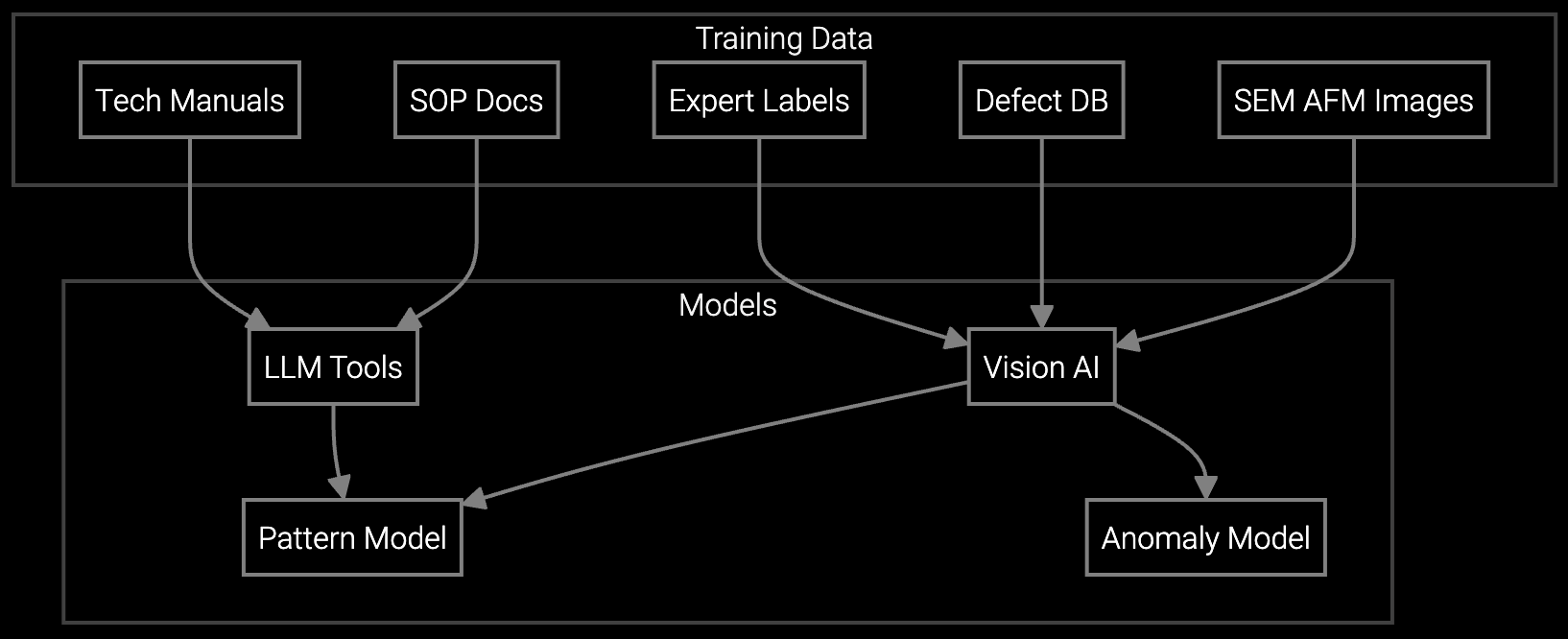
AI analyzes microscopic images from returned industrial components to identify defects, classify failure modes, and validate warranty claims without manual inspection delays.
Industrial equipment with 10-30 year lifecycles creates warranty complexity that generic systems can't handle. Your claims span CNC machines from 2005, turbines from 1998, and brand-new automation systems—each with different coverage terms, parts availability, and refurbishment paths.
The platform ingests warranty data from legacy ERP systems and modern cloud databases simultaneously. It validates entitlement across extended warranties, retrofit upgrades, and transferred ownership without requiring you to memorize coverage rules for equipment installed before you joined the company.
Bruviti provides REST API connectors for common ERP and warranty systems. You configure read-only access to warranty tables, and the platform syncs entitlement data daily. For custom databases, the onboarding team provides API documentation and schema mapping guidance to connect without modifying existing systems.
The platform ingests warranty policy rules during initial setup. You upload coverage matrices by product family, region, and customer tier. The AI validates claims against these rules automatically, handling extended warranties, retrofit exceptions, and transferred ownership without manual lookup.
The system flags duplicate serial numbers, out-of-warranty submission dates, mismatched failure codes, and unusual claim patterns. It learns from historical approved and rejected claims to identify anomalies. You review flagged claims in a separate queue before approval, reducing invalid payouts without slowing legitimate claims.
Yes. Every AI-generated RMA and fraud flag is presented for your review before final approval. You can override entitlement decisions, adjust routing codes, or approve flagged claims with one click. The platform learns from your overrides to improve future recommendations.
Initial API integration and policy configuration typically takes 2-3 weeks. You start processing claims in the platform while it runs parallel to existing workflows. Full cutover happens after validation on 50-100 test claims, usually within 30-45 days from kickoff.
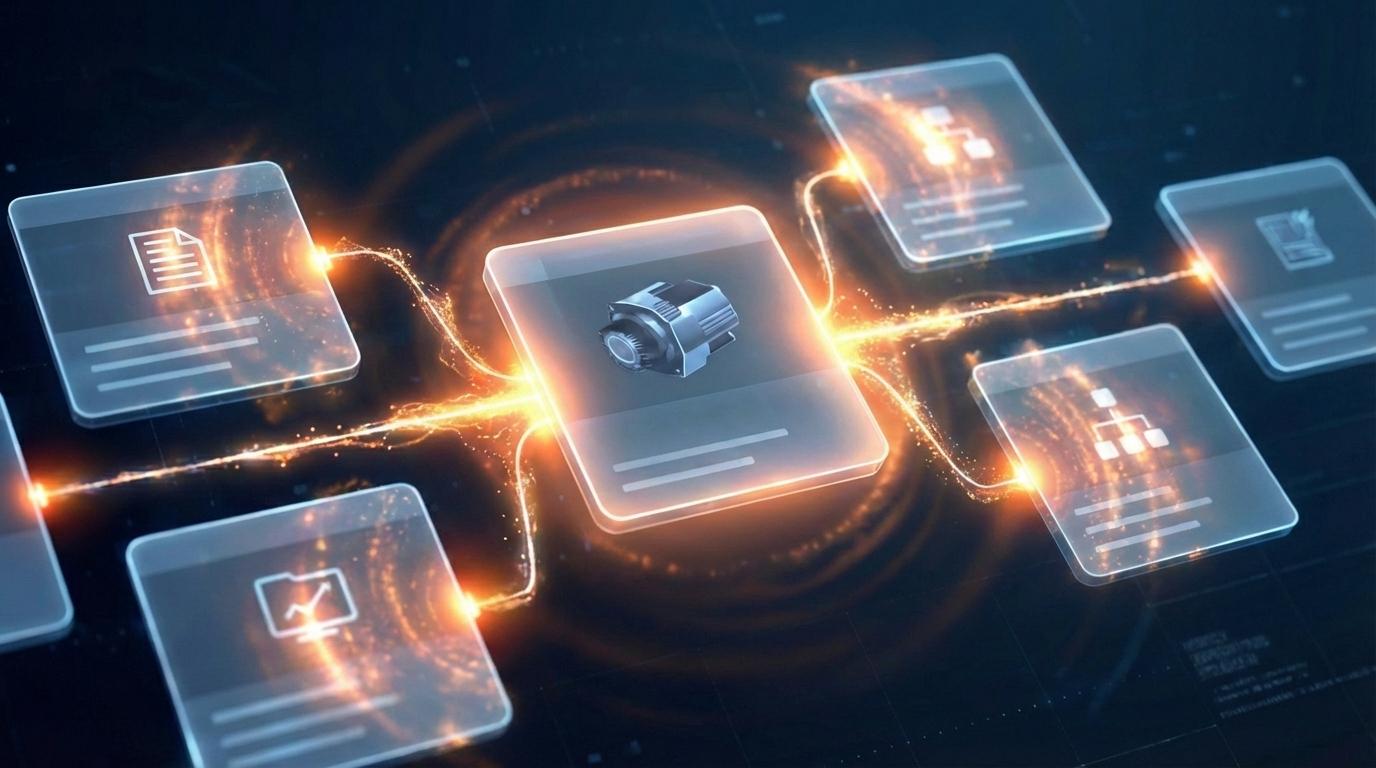
Software stocks lost nearly $1 trillion in value despite strong quarters. AI represents a paradigm shift, not an incremental software improvement.
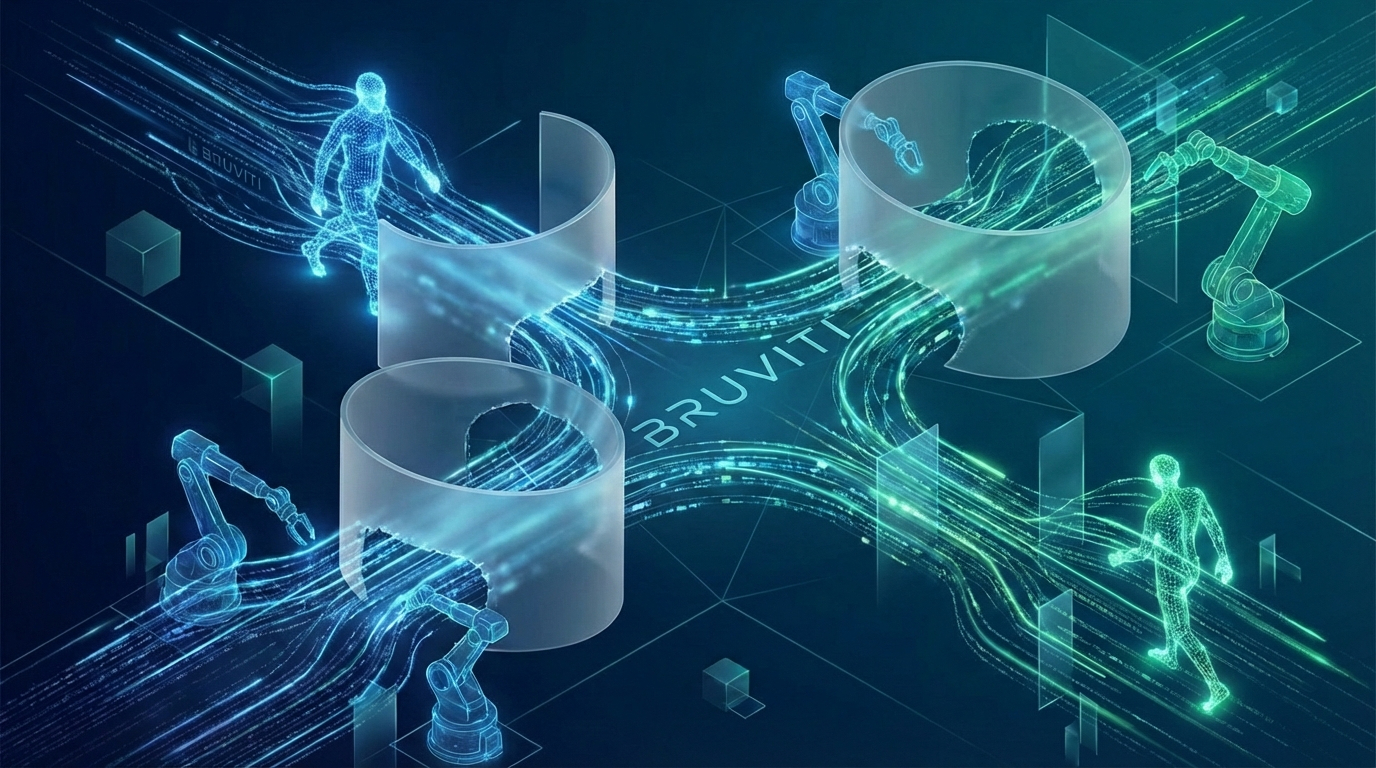
Function-scoped AI improves local efficiency but workflow-native AI changes cost-to-serve. The P&L impact lives in the workflow itself.
Five key shifts from deploying nearly 100 enterprise AI workflow solutions and the GTM changes required to win in 2026.
See how Bruviti automates entitlement verification and RMA generation in your existing warranty workflow.
Schedule Demo