
Peak refrigeration and HVAC season means repeat visits drain your budget while customers wait.
AI for appliance field repairs lifts first-time fix rate from 75 to 80% up to 88%, per Bruviti deployment data. Technicians get the likely fault and the right part predicted before dispatch, so the first visit closes the job. Deployment slots into existing scheduling without retraining the whole field team.
Your FSM system, ERP, warranty database, and parts inventory all hold critical data. Connecting them without disrupting daily dispatch operations feels impossible.
Field teams already juggle diagnostic tools, paperwork apps, and parts ordering systems. Adding another screen risks pushback and workarounds.
Incomplete service histories, missing model configurations, and inconsistent symptom codes limit AI accuracy. Without clean data, predictions fail at the worst moments.
Start with parts prediction for your highest-volume failure modes—refrigerant leaks, compressor failures, control board issues. The platform ingests your last 18 months of service data, identifies patterns in symptoms and parts consumed, then surfaces predictions directly in your dispatch screen. Technicians see recommended parts before they leave the warehouse. No separate login required.
Expand to mobile copilot by embedding diagnostic guidance in your existing technician app. When a technician scans a model number or enters error codes, the AI pulls repair procedures, wiring diagrams, and troubleshooting steps from your service manuals and historical fixes. What used to require searching three PDFs now appears in 10 seconds. Implementation follows a phased rollout: pilot with your top 20% of techs, refine based on their feedback, then scale to the full team over 60 days.
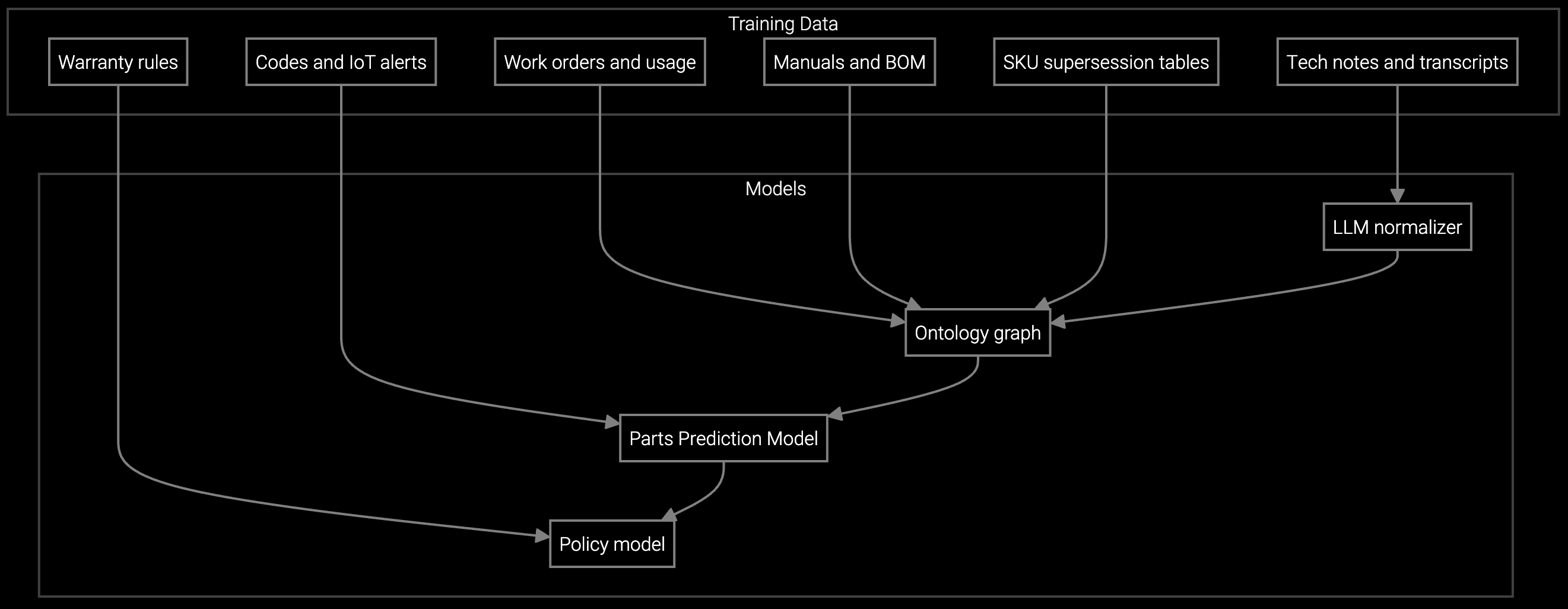
Predict compressor, control board, and refrigerant needs before dispatch for HVAC and refrigeration jobs.
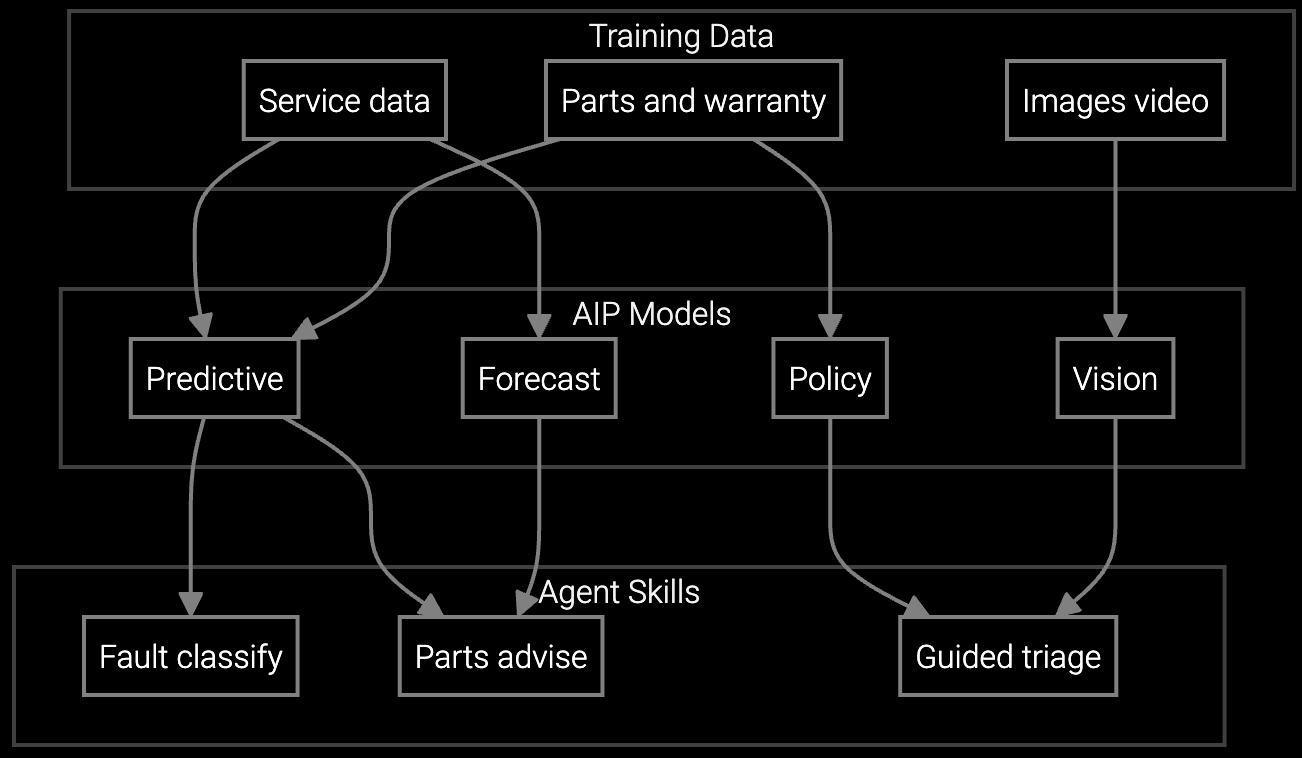
Mobile copilot delivers wiring diagrams, error code lookups, and repair steps at the appliance site.
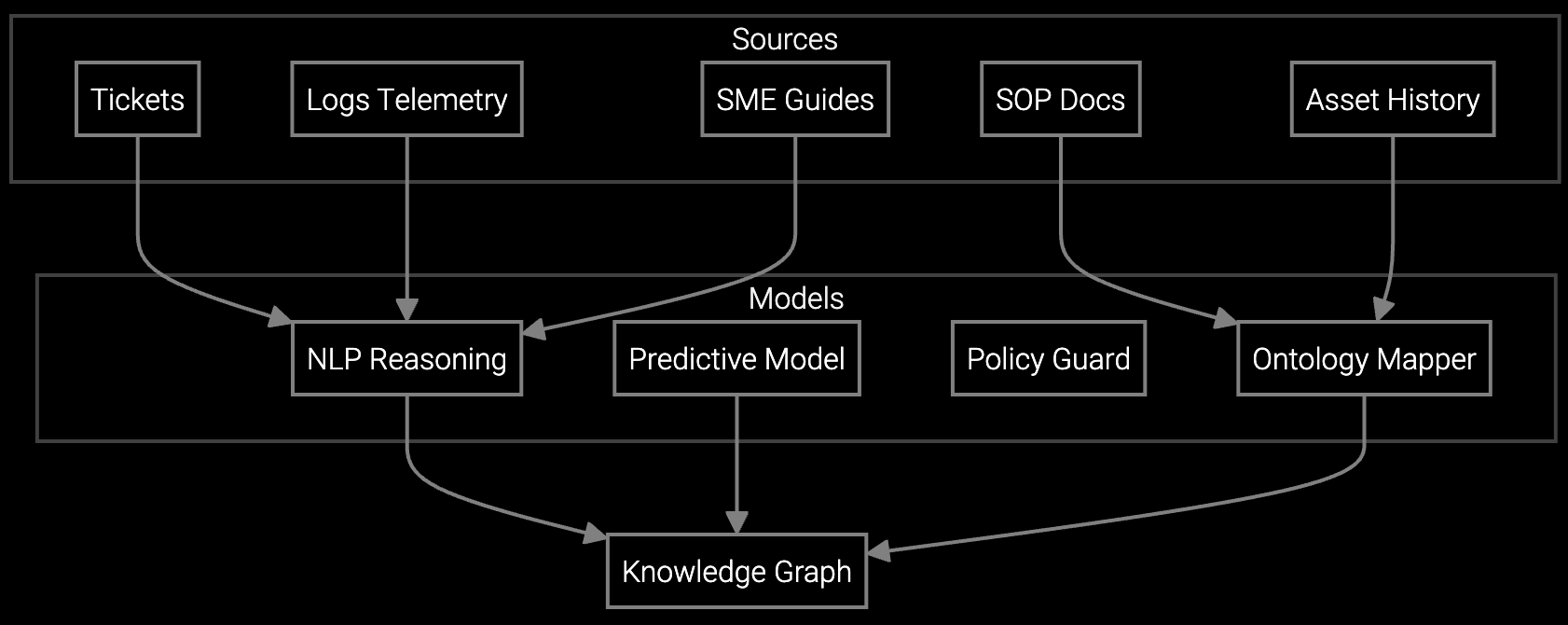
Correlate customer symptoms with historical appliance failure patterns to identify root cause faster.
Appliance OEMs face extreme seasonality—HVAC spikes in summer heat, water heaters fail in winter cold, refrigerators break during holiday load. Your parts inventory must anticipate these surges across thousands of SKUs spanning decades of models still in service. Traditional forecasting can't keep pace.
AI deployment prioritizes high-velocity failure modes during peak season. Connect the platform to warranty claims, service orders, and IoT telemetry from connected appliances. The system learns which parts move fastest per product line and geography, then auto-adjusts pre-staging recommendations as weather patterns shift. Technicians see real-time part availability before dispatch, reducing emergency orders and same-day shipping costs.
Most appliance OEMs complete API integration in 2-4 weeks. The platform connects via REST APIs to pull service history, warranty data, and parts inventory. No custom coding required—just map your data fields to standard schemas. Bruviti provides integration support and pre-built connectors for major FSM platforms like ServiceMax and Salesforce Field Service.
The AI starts with whatever data you have—even partial service records generate value. The platform identifies gaps (missing model numbers, vague symptom codes) and flags them for cleanup. Over time, technician feedback and completed jobs fill the gaps. You don't need perfect data to deploy; the system improves as you use it.
Embed training in the pilot phase. Select 10-15 high-performing technicians, give them mobile access, and collect feedback for 2-3 weeks. They identify workflow friction and suggest UI tweaks before wider rollout. Once refined, training takes 15 minutes per technician—just enough to show where predictions appear in their existing app.
Yes. The platform doesn't require IoT data to generate value. For older models, it relies on historical service records, symptom codes, and parts consumption patterns. Connected appliances provide richer telemetry (temperature logs, error events), but non-connected units still benefit from pattern recognition across your installed base.
Track first-time fix rate, parts pre-staging accuracy, and repeat visit reduction week-over-week. Appliance OEMs typically see 15-20% improvement in first-time fix within 30 days. Calculate truck roll cost savings by multiplying avoided repeat visits by your average cost per dispatch (usually $150-$250 for appliances).

How AI bridges the knowledge gap as experienced technicians retire.
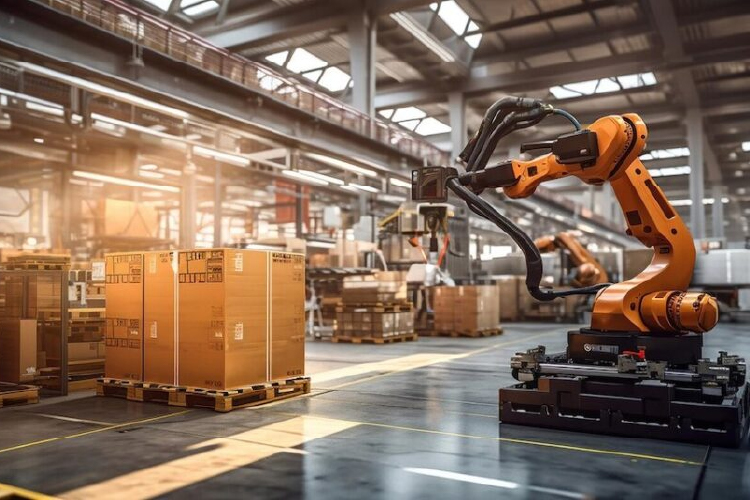
Generative AI solutions for preserving institutional knowledge.

AI-powered parts prediction for higher FTFR.
See how appliance OEMs integrate Bruviti in weeks, not months.
Schedule Implementation Review