When support engineers escalate cases they could resolve remotely, every escalation doubles your cost per incident and erodes service margins.
AI tech-assist auto-triages 60% of incoming faults and speeds resolution 20 to 30%, per Bruviti deployment data, so fewer cases climb to senior engineers or a truck roll. Executives shrink the escalation queue by resolving routine appliance faults at first contact instead of passing them up the support tier.
Support engineers lack complete equipment state visibility during remote sessions. Without telemetry context or historical pattern matching, they escalate cases that could be resolved remotely—driving up service costs and extending customer downtime.
Expert knowledge for diagnosing complex appliance failures sits trapped in senior engineers' experience. When challenging cases arise, only a handful of engineers can solve them—creating bottlenecks and slowing resolution for customers facing refrigeration failures or HVAC outages.
Support engineers switch between remote access platforms, log viewers, knowledge bases, and case management systems—wasting minutes per session hunting for context. This tool fragmentation extends session duration and reduces the number of cases each engineer can handle daily.
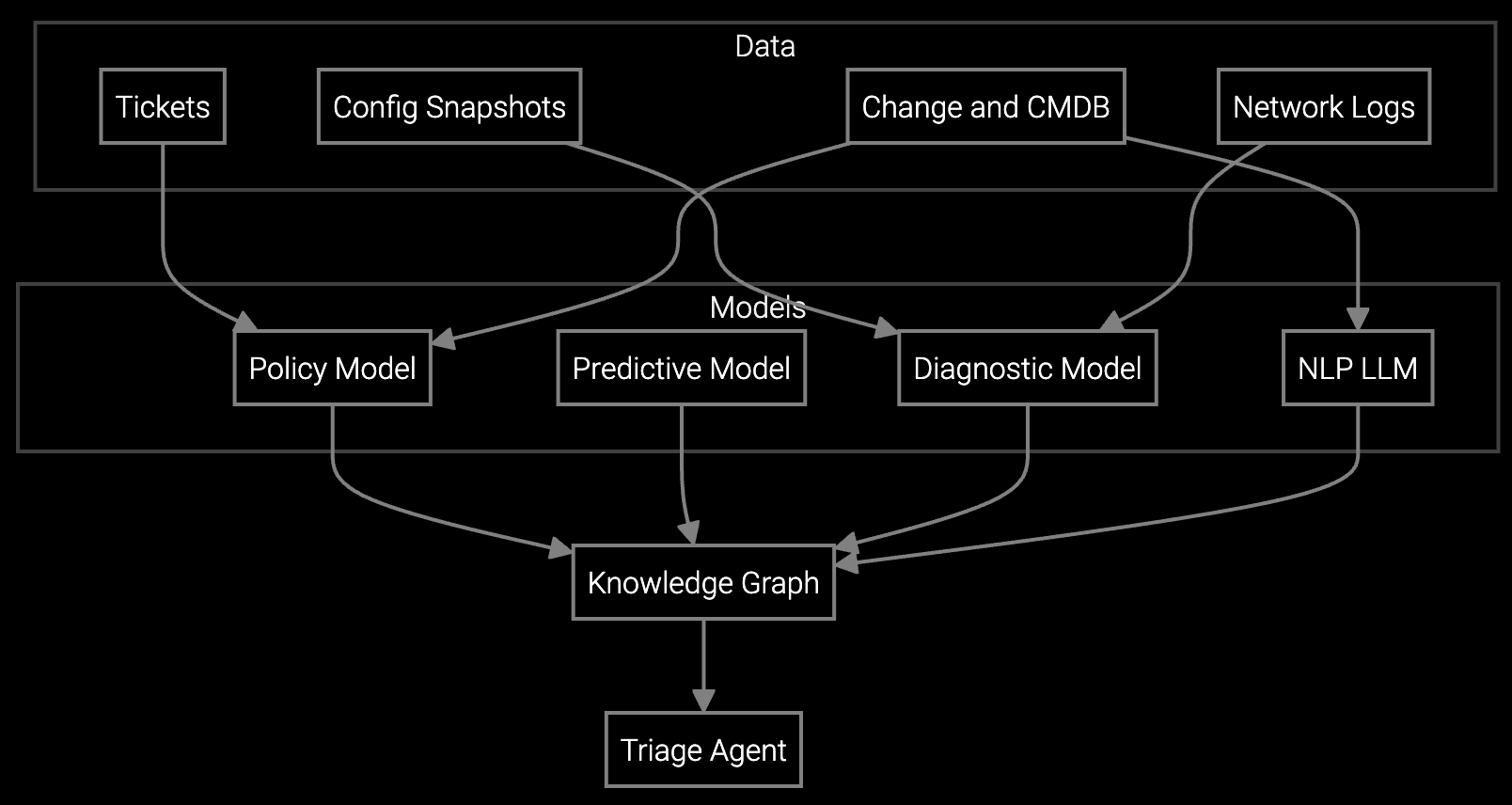
Bruviti's platform ingests telemetry from connected appliances—error codes, sensor readings, operational logs, and IoT diagnostics—and correlates this data against your entire resolution history. During remote sessions, support engineers receive AI-surfaced root cause analysis that identifies failure patterns invisible to manual log review. The system matches current symptoms to past resolutions, recommends diagnostic steps, and surfaces proven fixes—enabling engineers to resolve complex issues without escalation.
The platform captures every successful remote resolution and converts that knowledge into reusable diagnostic workflows. When a similar failure pattern appears across refrigeration units or HVAC systems, the AI guides any support engineer through the proven resolution path. This democratizes expert knowledge across your entire remote support team, raising baseline competency and reducing dependence on senior engineers for routine escalations.
Appliance manufacturers face remote support challenges distinct from other industries: high call volumes during seasonal HVAC peaks, consumers attempting DIY repairs before calling support, and decades of legacy product models with sparse documentation. Support engineers must diagnose failures across refrigerators, dishwashers, water heaters, and HVAC systems—each with unique sensor configurations, error code schemas, and failure modes.
The platform ingests telemetry from connected appliances and correlates symptoms against your warranty claims database, service history, and field repair data. When a customer reports a refrigerator not cooling, the AI surfaces pattern matches from similar compressor failures, refrigerant leaks, or sensor malfunctions—guiding the support engineer to definitive diagnosis without escalation. For HVAC systems, the platform analyzes thermostat data, airflow sensors, and outdoor unit telemetry to pinpoint failures remotely, avoiding costly service calls during summer demand spikes.
Escalation rates spike when support engineers lack visibility into equipment state during remote sessions. Without real-time telemetry analysis or access to historical failure patterns, engineers default to escalation rather than risk incorrect diagnosis. Tool fragmentation compounds this—switching between log viewers, knowledge bases, and case systems wastes time and breaks diagnostic flow.
AI ingests telemetry, error codes, and sensor data during remote sessions and correlates this against your entire resolution history. The platform surfaces root cause patterns invisible to manual review, matches current symptoms to proven fixes, and guides support engineers through diagnostic workflows. This eliminates guesswork and enables definitive diagnosis without escalation.
Connected appliances with rich telemetry streams—refrigeration, HVAC systems, and water treatment equipment—deliver fastest ROI. These categories generate dense sensor data, have high seasonal support volumes, and carry significant service cost per incident. Legacy appliances without IoT connectivity can still benefit through error code correlation and symptom-based pattern matching.
Appliance manufacturers typically see measurable escalation rate reduction within 60-90 days of deployment. The platform learns from every resolved case, so remote resolution accuracy improves continuously. Engineers gain confidence as the AI consistently surfaces correct diagnoses, accelerating adoption and amplifying impact across your support organization.
Every percentage point reduction in escalation rate directly lowers service cost per incident. Appliance OEMs typically achieve 25-35% escalation rate reduction within six months, translating to measurable margin protection. Additional savings come from shorter resolution times, higher engineer throughput, and reduced seasonal staffing requirements during HVAC and refrigeration demand peaks.
Software stocks lost nearly $1 trillion in value despite strong quarters. AI represents a paradigm shift, not an incremental software improvement.
Function-scoped AI improves local efficiency but workflow-native AI changes cost-to-serve. The P&L impact lives in the workflow itself.
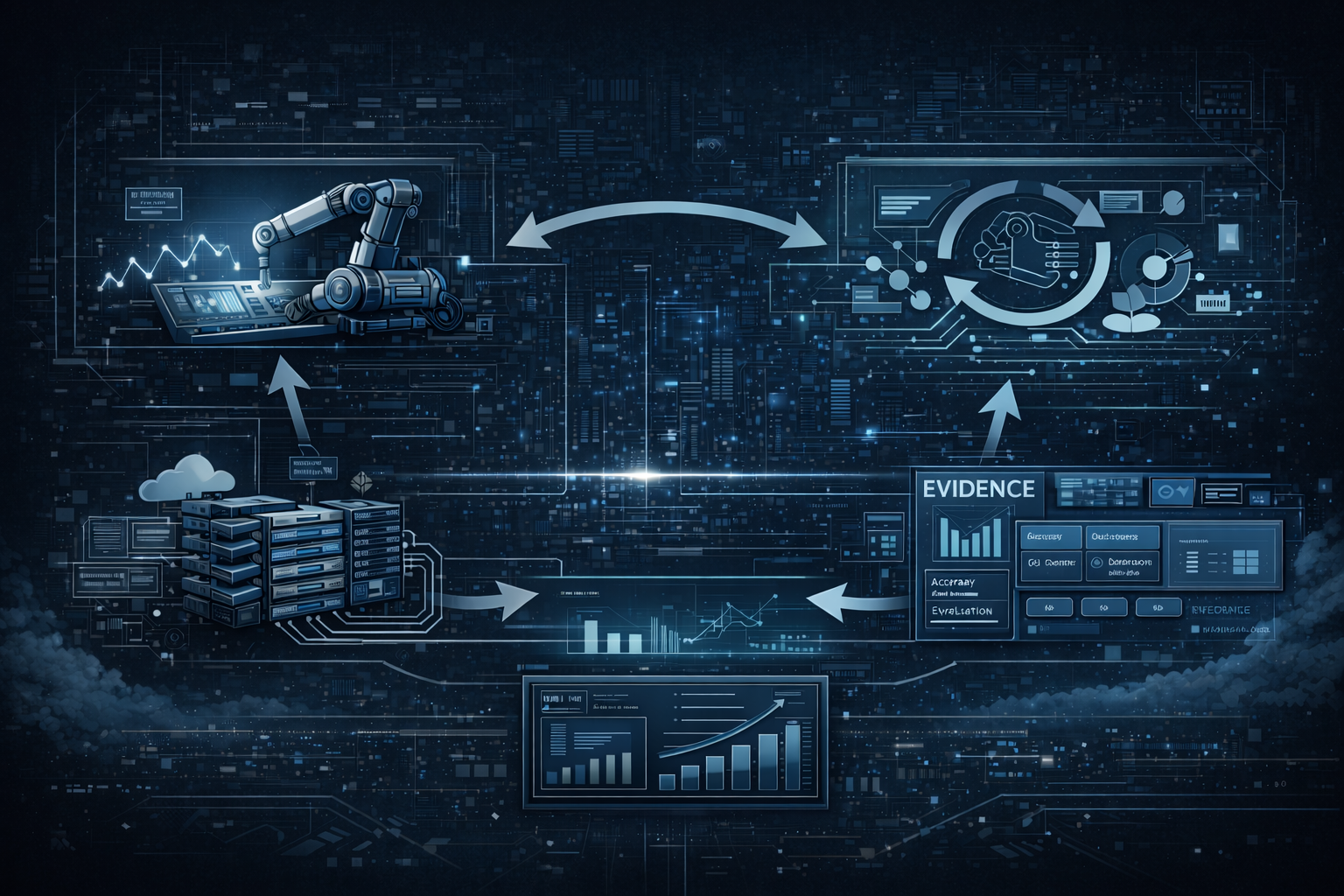
Five key shifts from deploying nearly 100 enterprise AI workflow solutions and the GTM changes required to win in 2026.
See how AI-driven remote support resolves more cases without field dispatch.
Schedule Executive Briefing