Connected appliances generate telemetry streams your support engineers can't parse fast enough during critical remote sessions.
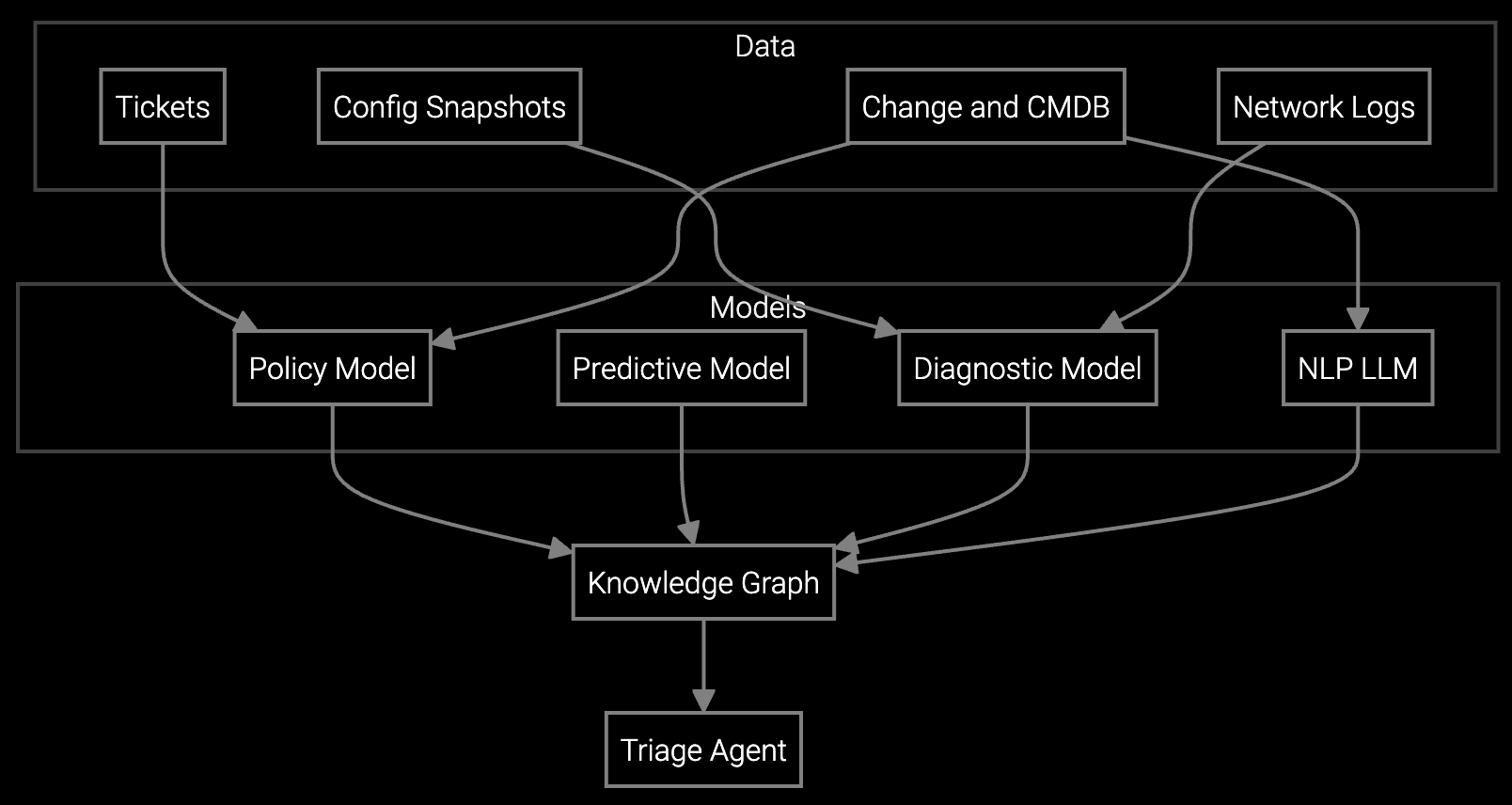
Knowledge-driven root cause analysis cuts duplicate investigations by 50% and lifts reuse of proven fixes 3x, per Bruviti deployment data. Builders index past resolutions into a searchable cause graph so the agent matches a new symptom to a solved one instead of re-diagnosing it from scratch every time.
Support engineers spend hours parsing error logs from connected appliances during remote sessions. HVAC systems, smart refrigerators, and IoT-enabled equipment generate thousands of data points per incident.
Troubleshooting expertise remains locked in senior engineers' heads. When they're unavailable, remote sessions stall or escalate unnecessarily, driving up support costs and customer frustration.
Engineers toggle between TeamViewer, proprietary IoT dashboards, and legacy diagnostic software. Context switching increases session duration and introduces errors in troubleshooting workflows.
Integrate AI-powered telemetry analysis into your existing remote support stack using Python SDKs and REST APIs. The platform ingests log files and IoT sensor streams from appliances, correlates patterns across incidents, and surfaces root causes without requiring support engineers to parse data manually.
Bruviti's headless architecture lets you customize troubleshooting workflows and train models on your proprietary failure signatures. No data leaves your environment. Extend existing remote access tools with AI-assisted diagnostics rather than replacing your entire stack. Support engineers get contextual recommendations during live sessions without switching applications.
Appliance manufacturers face unique remote diagnostics challenges. HVAC systems report pressure, temperature, and compressor metrics. Smart refrigerators log door cycles, defrost timing, and temperature zones. Commercial kitchen equipment streams power consumption and heating element status. Each product line generates distinct telemetry formats.
Support engineers need instant context when customers call about error codes or performance degradation. AI-powered log analysis parses these diverse data streams during remote sessions, identifying failure patterns across model families. The platform surfaces relevant troubleshooting steps based on symptom clusters, reducing dependency on senior engineers for specialized equipment knowledge.
The platform integrates via API with existing remote access tools. When a support engineer initiates a remote session, AI ingests telemetry in the background, correlates patterns against historical failure signatures, and displays root cause recommendations within the existing interface. No application switching required.
Yes. The Python SDK allows data scientists to fine-tune models using your warranty claims, service logs, and IoT telemetry. Models run in your environment, ensuring intellectual property remains internal. You control retraining schedules and model versioning without vendor dependencies.
It parses structured logs from embedded systems, IoT sensor streams (temperature, pressure, power), error code databases, and unstructured service notes. REST APIs connect to existing data lakes, ERP systems, and warranty databases. Standard connectors exist for SAP, Oracle, and custom MQTT brokers.
Bruviti uses API-first architecture with open standards. Data remains in your cloud or on-premises infrastructure. Models are portable—you can export weights and retrain elsewhere if needed. No proprietary data formats or closed ecosystems. Integration uses Python, TypeScript, and REST APIs, not vendor-specific languages.
Appliance manufacturers typically see 40-50% reduction in escalation rates within 90 days. Faster root cause identification shortens remote session duration by 30-40%, improving support engineer productivity. Higher remote resolution rates save $200-$400 per avoided escalation, depending on service territory and appliance type.
Software stocks lost nearly $1 trillion in value despite strong quarters. AI represents a paradigm shift, not an incremental software improvement.
Function-scoped AI improves local efficiency but workflow-native AI changes cost-to-serve. The P&L impact lives in the workflow itself.
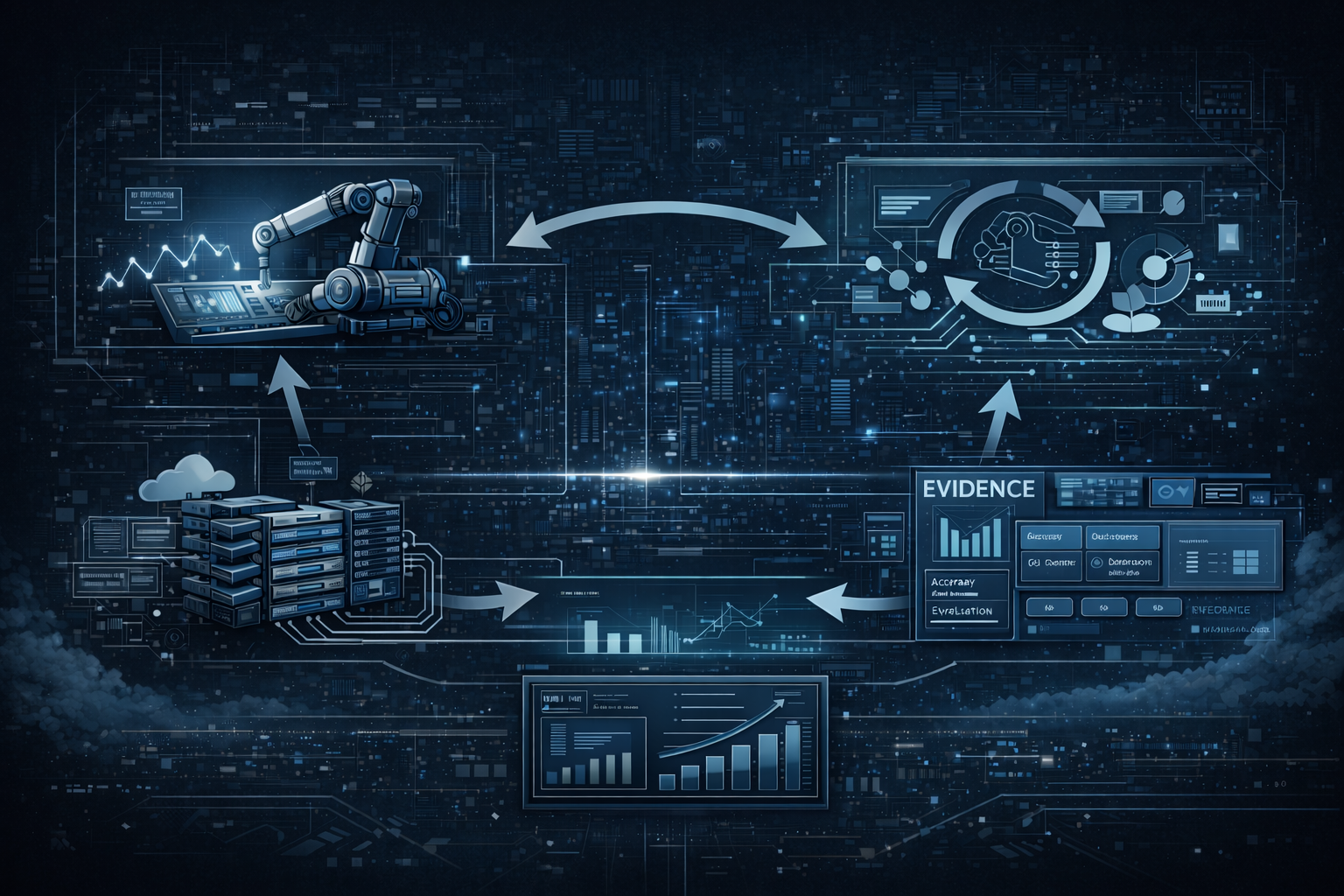
Five key shifts from deploying nearly 100 enterprise AI workflow solutions and the GTM changes required to win in 2026.
See how Bruviti's API-first platform integrates with your remote support stack without vendor lock-in.
Schedule Technical Demo