With aging machinery deployed worldwide and tightening service margins, every escalation cuts into profitability.
Bruviti deployment data shows AI remote support cuts repeat service calls 12% on industrial equipment, lowering the per-ticket cost operators carry every shift. Fewer callbacks mean less rework, shorter queues, and more capacity from the same support headcount, so the team handles a larger install base without adding staff.
Support engineers spend hours parsing machinery logs, searching manuals for obsolete parts, and navigating fragmented diagnostic tools. Each minute extends labor costs and delays customer resolution.
When remote diagnostics hit a wall, cases escalate to senior engineers or external specialists. Each escalation adds handoff delays, duplicated effort, and premium labor rates.
Without full visibility into equipment state and historical failure patterns, remote sessions fail to close. Each unresolved case either escalates or remains open, consuming engineer capacity.
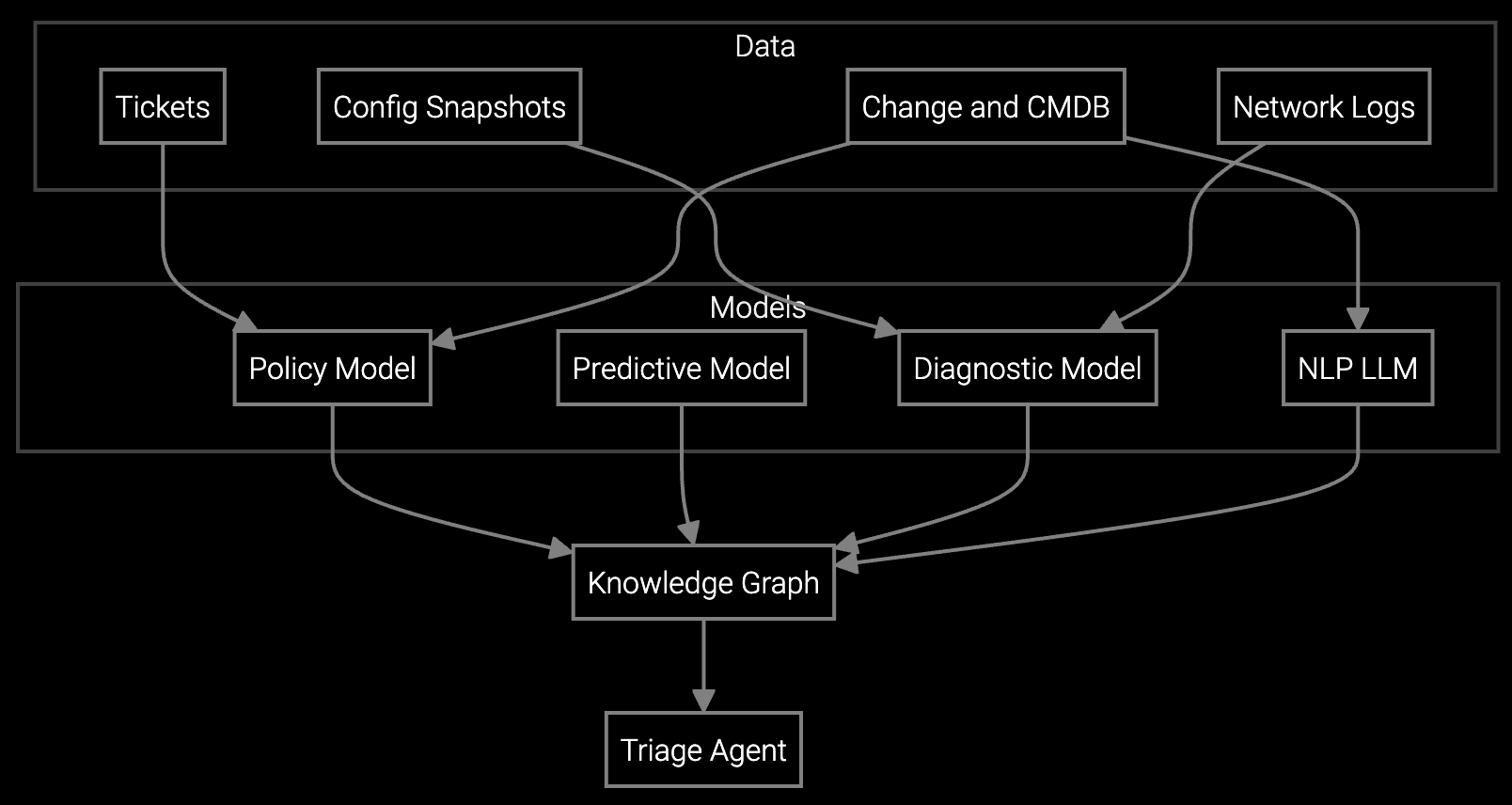
The platform automatically analyzes telemetry from PLCs, SCADA systems, and IoT sensors the moment a session begins. Root cause analysis that previously required 30-60 minutes of manual log parsing now completes in seconds. Support engineers see equipment history, similar failure patterns, and recommended diagnostics before asking the customer a single question.
Guided troubleshooting workflows walk engineers through resolution steps specific to the machine model, installed firmware, and operating conditions. The system flags which parts are likely failing, checks inventory availability, and auto-populates case notes with session findings. Engineers spend time solving problems, not searching for information or documenting what they did.
Industrial equipment has lifecycles measured in decades, not years. A CNC machine installed in 2005 may still run production shifts today. When it fails, the customer's entire line stops. Every hour of downtime costs thousands. Remote support teams face impossible pressure: diagnose decades-old machinery with fragmented documentation, legacy control systems, and telemetry protocols that predate modern IoT standards.
The ROI calculation hinges on two levers: reducing time per incident and increasing remote resolution rate. A 20-minute reduction in average session duration means 3 additional incidents resolved per engineer per day. A 10-point improvement in remote resolution rate means 50+ fewer escalations per month for a mid-sized OEM. At $1,200 average escalation cost, that's $60,000 monthly savings before accounting for faster customer time-to-resolution and retained service contract revenue.
Track remote resolution rate, average session duration, escalation rate, and cost per incident. Baseline these metrics before implementation, then measure monthly. A 10-point improvement in remote resolution rate and 20% reduction in session duration typically deliver payback within 6-9 months for mid-sized industrial OEMs.
Escalation costs vary by complexity and labor rates, but industrial OEMs typically see $800-$2,400 per avoided escalation when factoring in senior engineer time, handoff delays, and extended customer downtime. High-severity incidents involving specialized equipment can exceed $5,000 per escalation.
Industrial OEMs using AI-assisted remote diagnostics typically see remote resolution rates improve from 55-65% baseline to 75-85% within the first year. The gain comes from instant access to equipment history, automated log analysis, and guided troubleshooting workflows that previously required senior engineer knowledge.
Support engineers see productivity gains within the first month as automated log analysis and guided workflows reduce manual search time. Measurable improvements in remote resolution rate and session duration typically appear within 60-90 days. Full ROI depends on incident volume and baseline efficiency, but most industrial OEMs reach payback within 6-12 months.
Yes. Older equipment with sparse documentation and legacy control systems sees the largest gains because AI fills knowledge gaps that manual processes can't address at scale. Complex multi-component systems like automated production lines also benefit significantly because the platform correlates telemetry across subsystems, catching root causes that isolated diagnostics miss.
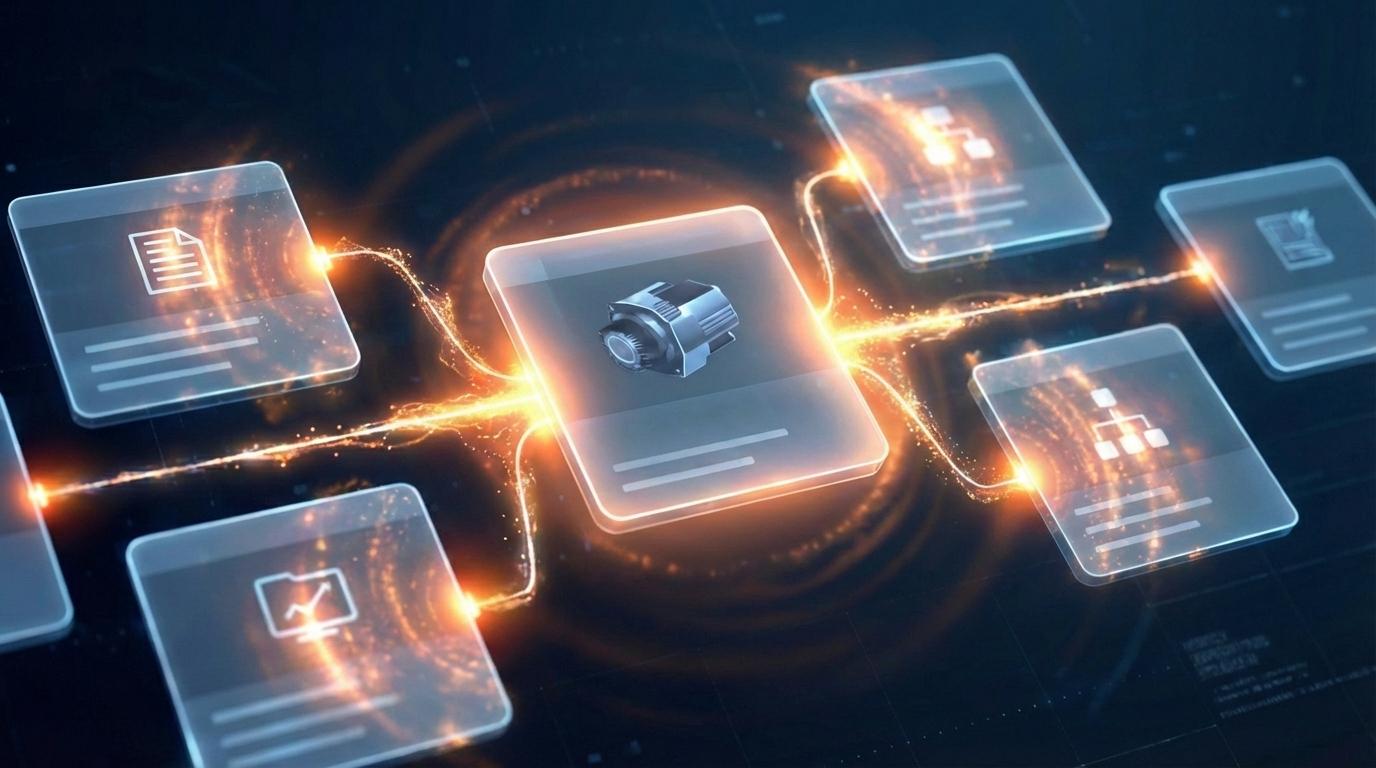
Software stocks lost nearly $1 trillion in value despite strong quarters. AI represents a paradigm shift, not an incremental software improvement.
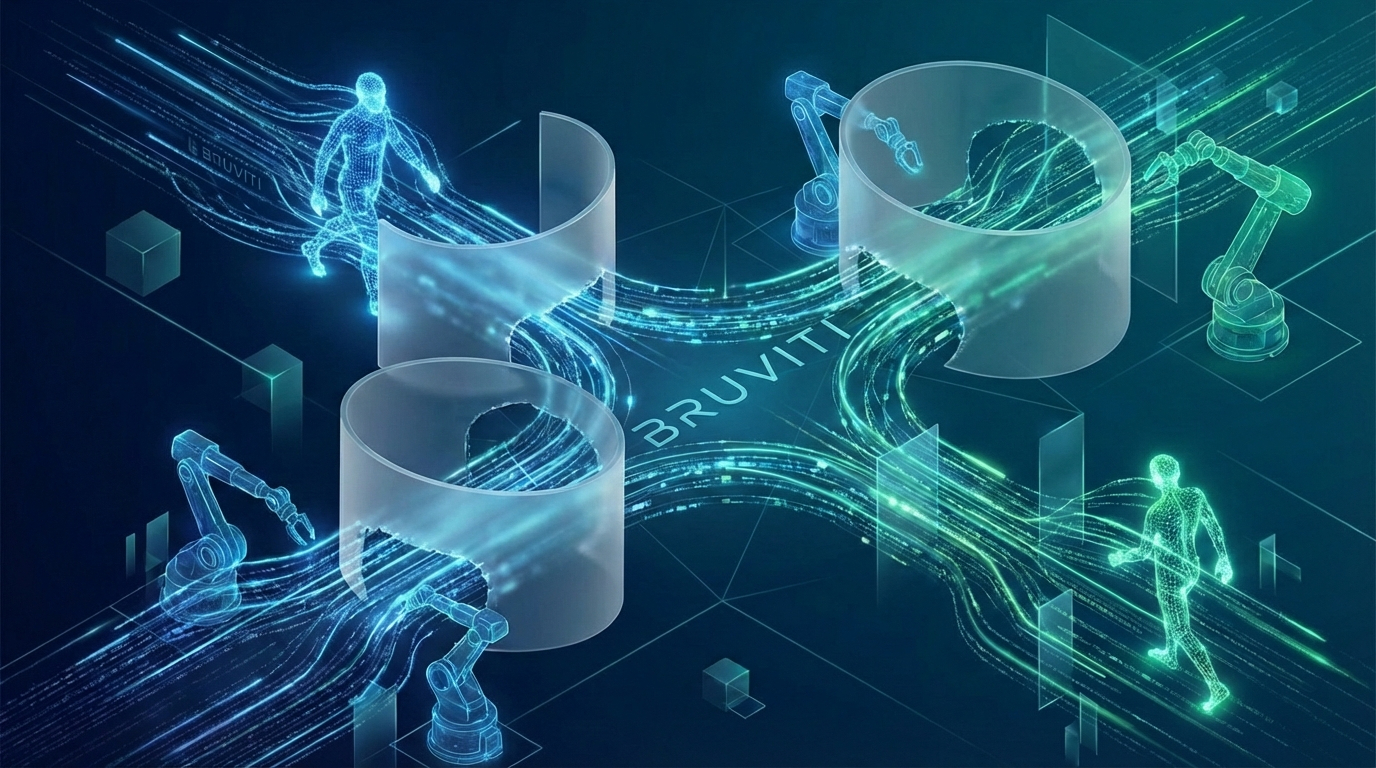
Function-scoped AI improves local efficiency but workflow-native AI changes cost-to-serve. The P&L impact lives in the workflow itself.
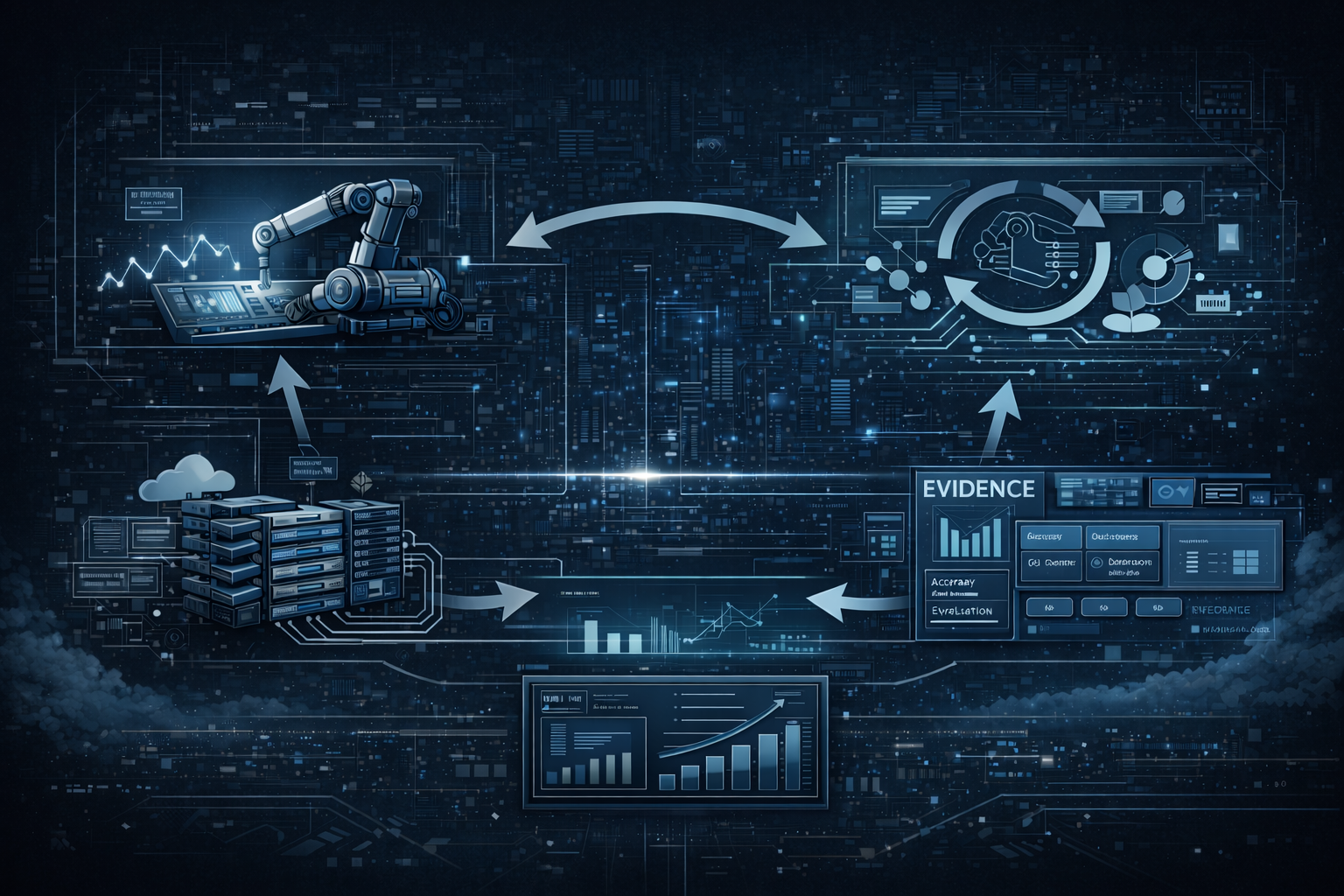
Five key shifts from deploying nearly 100 enterprise AI workflow solutions and the GTM changes required to win in 2026.
Run your numbers. See how faster remote resolution and fewer escalations translate to measurable cost savings.
Schedule ROI Analysis