
Every No Fault Found return wastes your time on unnecessary processing while driving up warranty costs for your company.
AI reduces No Fault Found returns by analyzing network device telemetry and error logs before RMA approval, automatically validating claims against known failure patterns and identifying configuration issues vs. hardware defects.
Processing returns that have no actual hardware defect wastes your time on inspection, testing, and refurbishment workflows that yield no findings. Configuration errors and firmware issues get treated as hardware failures.
Invalid claims drain warranty reserves unpredictably. Without systematic detection before RMA approval, you process returns that shouldn't qualify, inflating your company's warranty cost forecasts and eroding margins.
Coordinating reverse logistics for devices that aren't actually defective clogs your RMA pipeline. Shipping, receiving, and depot inspection workflows run at full capacity processing units that will eventually be marked "No Fault Found."
Bruviti analyzes SNMP traps, syslog data, and device telemetry at the point of claim submission, cross-referencing reported symptoms against known hardware failure signatures. The platform automatically flags claims where error patterns match configuration drift, firmware bugs, or environmental issues rather than component defects. You review AI-generated validation reports showing root cause evidence instead of manually investigating every claim.
The system learns from refurbishment findings, continuously updating its detection rules as your team marks returns as NFF. When a router claim cites "intermittent packet loss" but telemetry shows normal buffer utilization and no CRC errors, the platform identifies it as a likely false positive and routes it for remote troubleshooting instead of RMA approval. This shifts your workload from processing invalid returns to validating genuine hardware failures.
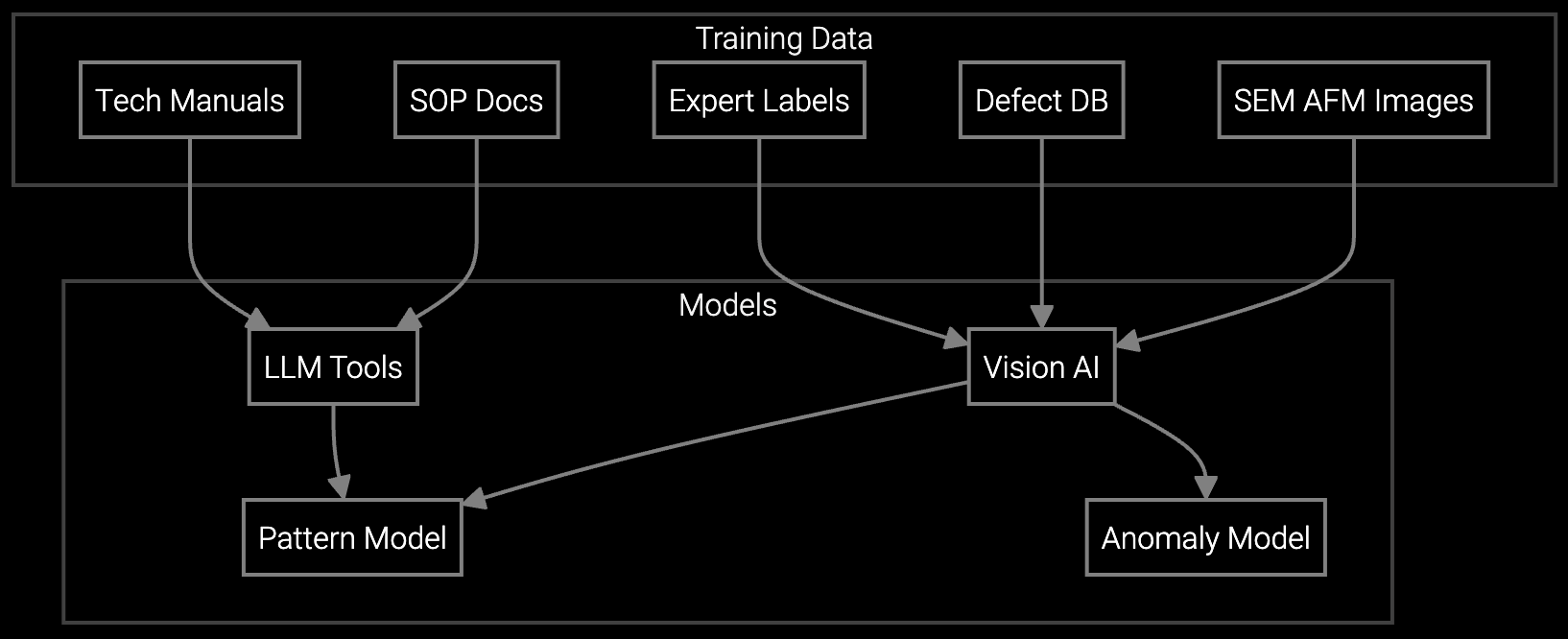
Analyze microscopic images of network device components to validate hardware defects and classify failure modes during warranty claim validation.
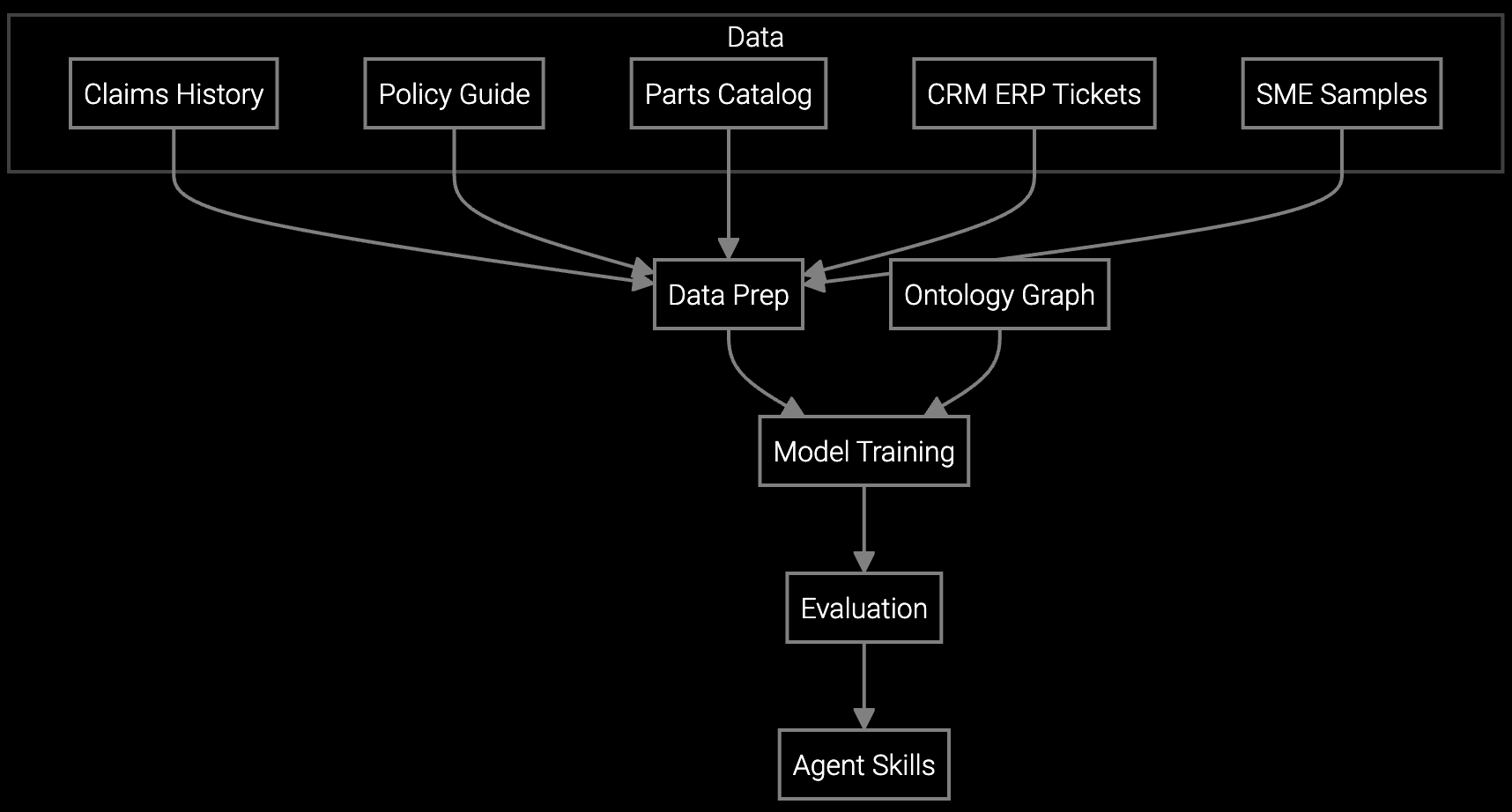
Automatically classify and code warranty claims for routers and switches, routing valid hardware failures vs. configuration issues with 95% accuracy.
Routers, switches, and firewalls operate in complex multi-vendor environments where configuration errors, firmware incompatibilities, and environmental factors mimic hardware failures. Customer reports of "packet loss" or "intermittent connectivity" trigger RMAs even when the device is functioning within spec but misconfigured for the network topology.
Network devices generate rich telemetry via SNMP, syslog, and NetFlow that reveals true failure signatures, but warranty teams lack time to correlate this data against every claim. Without automated analysis, you approve RMAs based on symptom descriptions alone, driving NFF rates above 30% and inflating warranty reserves unpredictably.
The system ingests SNMP traps, syslog entries, error counters, firmware version data, and configuration snapshots from the network device. It compares reported symptoms against historical failure signatures to flag claims where telemetry shows normal hardware operation but misconfiguration or software issues.
The AI trains on refurbishment findings where your team marked returns as "No Fault Found" or "Configuration Error." It correlates those outcomes with the pre-RMA telemetry patterns, continuously updating detection rules as you process more claims and close the feedback loop.
Yes. The platform cross-references device firmware versions against known bug databases and CVE reports. When a claim cites symptoms matching a documented firmware issue with an available patch, it flags the RMA as avoidable and routes it for remote remediation instead.
Typical claim validation drops from 20-30 minutes of manual log review to under 5 minutes. The system presents a validation report with root cause evidence and a approve/deny recommendation. You review the findings and make the final decision without digging through raw syslog files.
The platform flags incomplete data and routes the claim for standard manual review. It calculates a confidence score based on available telemetry. High-confidence validations get processed immediately; low-confidence cases escalate to you for human judgment, ensuring no valid hardware failures are incorrectly denied.
Software stocks lost nearly $1 trillion in value despite strong quarters. AI represents a paradigm shift, not an incremental software improvement.
Function-scoped AI improves local efficiency but workflow-native AI changes cost-to-serve. The P&L impact lives in the workflow itself.
Five key shifts from deploying nearly 100 enterprise AI workflow solutions and the GTM changes required to win in 2026.
See how Bruviti cuts NFF rates by validating warranty claims with telemetry analysis before approval.
Schedule Demo