
NFF returns cost 3-5x more than valid claims and slow turnaround for real failures.
High NFF rates in data center equipment stem from incomplete diagnostics and manual triage errors. AI-powered analysis of BMC telemetry and failure logs identifies root causes before RMA, cutting unnecessary returns by 40-50% while accelerating valid claim processing.
Manual triage misses intermittent issues and environmental factors. You ship hardware back only to have refurb find nothing wrong.
Testing returned servers, storage arrays, and PDUs consumes lab time. Invalid returns delay processing of real failures.
Reverse logistics, testing labor, and restocking eat margin. High NFF rates inflate warranty reserves unpredictably.
The platform analyzes BMC telemetry, IPMI logs, and historical failure patterns to pinpoint whether hardware is truly defective or the issue stems from configuration drift, thermal stress, or software bugs. Instead of guessing based on error codes, you get a resolution case with definitive diagnosis before authorizing the return.
When the system detects valid hardware failure, it auto-generates the RMA with correct part numbers and expedited routing. When it identifies environmental or configuration causes, it provides the fix steps to resolve on-site, eliminating the unnecessary truck roll and refurb cycle entirely.
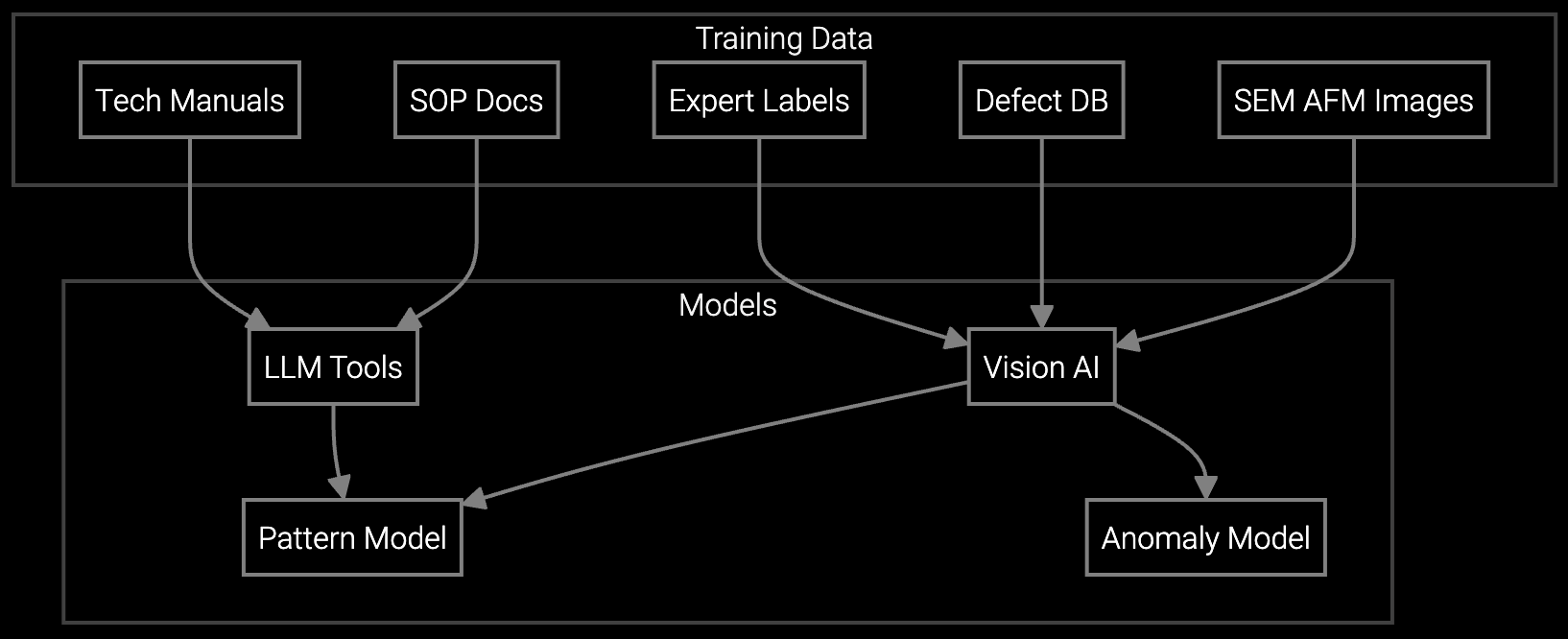
AI analyzes microscopic images of returned components to identify manufacturing defects, validate warranty claims, and classify failure modes at scale.
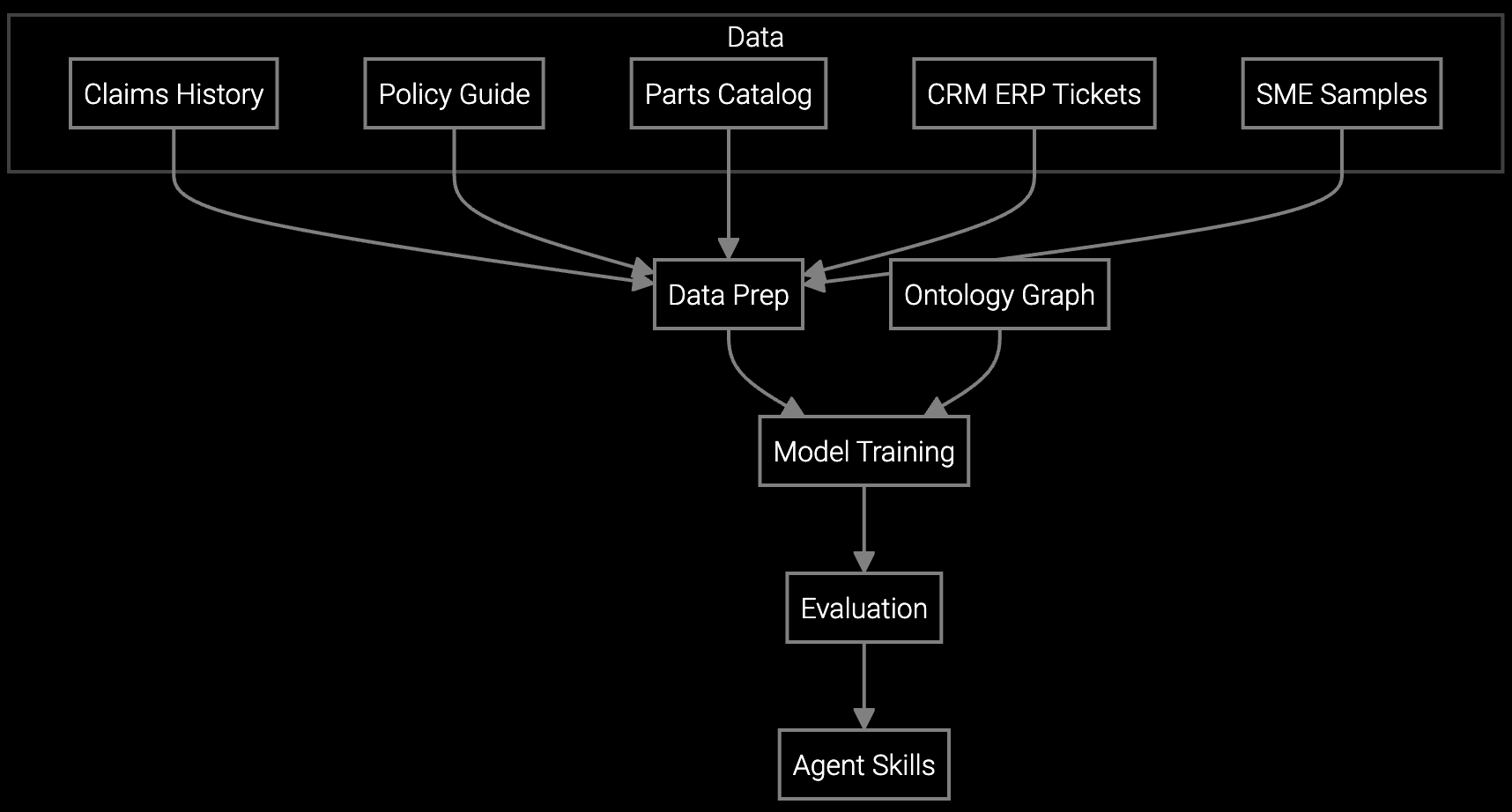
Automatically classifies warranty claims by failure type, assigns proper billing codes, and flags anomalies for review before processing.
Hyperscale data centers process thousands of server, storage, and power supply returns monthly. Standard manual triage cannot distinguish between true hardware failure and environmental issues like thermal hotspots or power quality problems.
The platform ingests BMC telemetry, power distribution data, and cooling metrics to identify whether a server failure originated from the hardware itself or from rack-level conditions. This prevents unnecessary component replacement while ensuring valid failures get expedited processing.
Most NFF returns result from incomplete diagnostics that miss environmental factors like thermal stress, power fluctuations, or configuration errors. Operators see error codes and initiate RMA without deeper analysis. Intermittent failures that don't reproduce in test environments also inflate NFF rates significantly.
AI systems analyze BMC logs, IPMI data, and historical patterns to determine root cause before authorizing return. The platform correlates hardware symptoms with environmental conditions, firmware versions, and workload patterns to differentiate true defects from configuration or operational issues, providing definitive diagnosis in seconds.
Yes. The platform integrates with existing warranty and RMA workflows via API, adding pre-authorization diagnostics without replacing current systems. When diagnosis confirms hardware failure, it passes validated claims downstream. When it identifies non-hardware causes, it provides resolution steps to prevent unnecessary returns.
Most data center OEMs see measurable NFF reduction within 60-90 days as the AI learns failure patterns for specific components. Initial deployment focuses on high-volume SKUs where baseline NFF rates exceed 30%, delivering fastest ROI before expanding to broader product catalog.
Core inputs include BMC telemetry, IPMI logs, warranty claim history, and refurb test results. Optional data like environmental sensors, power quality metrics, and configuration management databases improve accuracy but aren't required for initial deployment. The platform adapts to available data feeds.
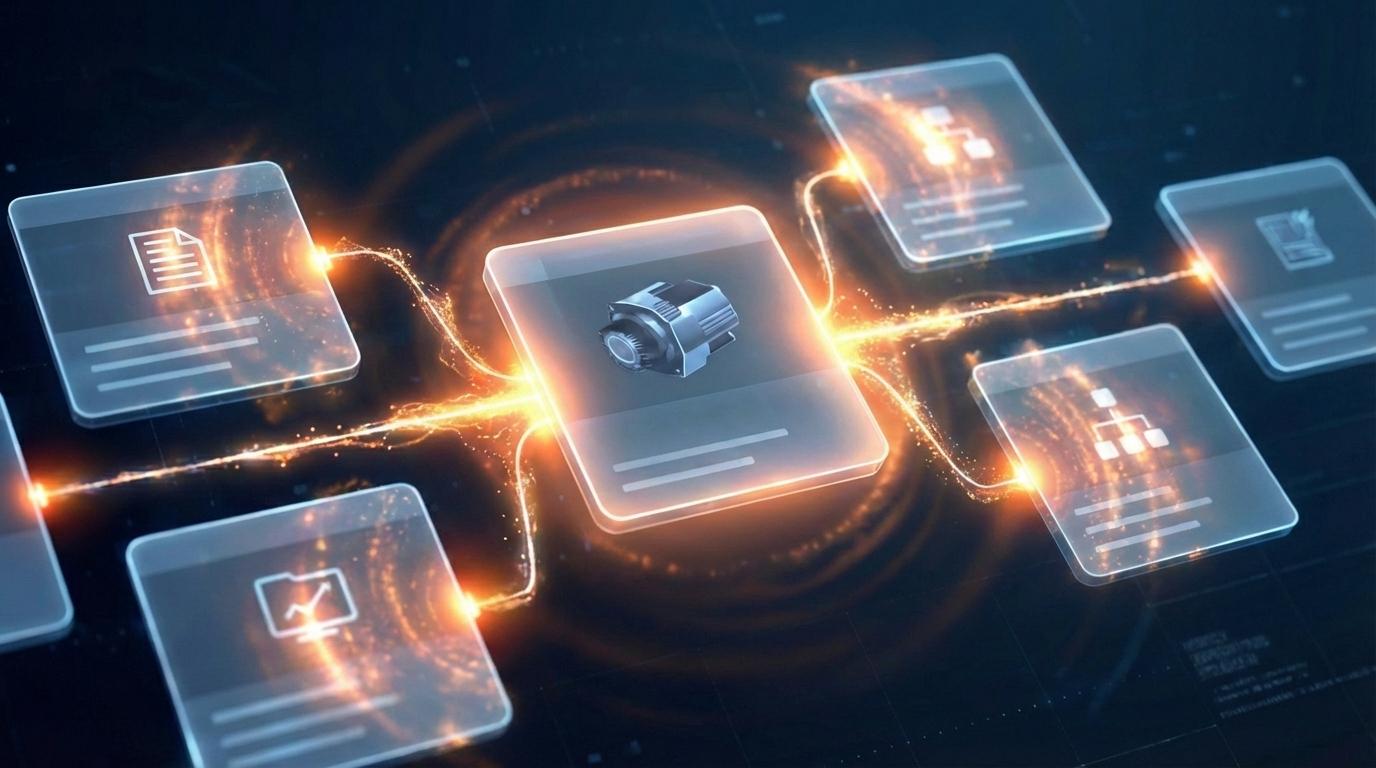
Software stocks lost nearly $1 trillion in value despite strong quarters. AI represents a paradigm shift, not an incremental software improvement.
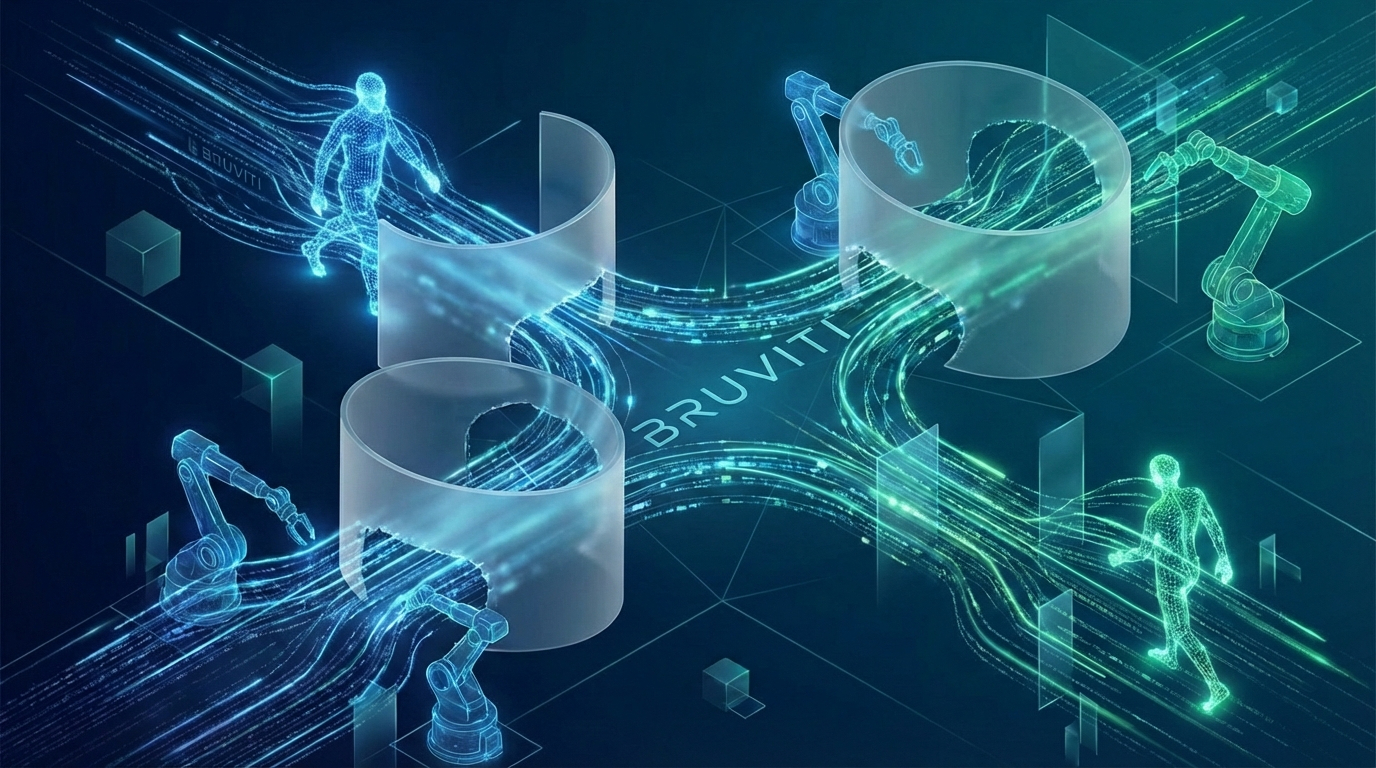
Function-scoped AI improves local efficiency but workflow-native AI changes cost-to-serve. The P&L impact lives in the workflow itself.
Five key shifts from deploying nearly 100 enterprise AI workflow solutions and the GTM changes required to win in 2026.
See how AI-powered diagnostics reduce unnecessary returns and speed valid claim processing.
Schedule Demo