
Hyperscale operations demand precision—excess inventory drains margin while stockouts trigger SLA penalties.
Bruviti deployment data shows AI-driven spare parts planning runs 80% faster, compressing replan cycles that drive carrying cost and service risk. The platform automates demand forecasting and stocking decisions so planners cover more SKUs in less time. Deployment data attributes the gain to automated demand modeling replacing manual planning.
Overstocking drives, memory, and power supplies across multi-site operations ties up capital and increases obsolescence risk as hardware generations turn over rapidly.
Missing parts for server repairs violate four-nines availability commitments, triggering financial penalties and jeopardizing customer contract renewals.
Same-day and overnight shipments to meet urgent repair deadlines inflate logistics expenses and erode service margins across distributed facilities.
Bruviti's platform ingests telemetry from BMCs and IPMI interfaces across server fleets to predict component failure patterns by SKU, location, and season. Machine learning models identify which drives, memory modules, and power supplies will fail within specific time windows, enabling demand-driven replenishment that eliminates guesswork.
The system tracks inventory across geographically distributed warehouses and recommends optimal stock allocation based on regional failure rates and lead times. Multi-site visibility prevents redundant safety stock while maintaining 98%+ fill rates. Substitute parts matching ensures compatibility when primary SKUs face obsolescence or supply constraints.
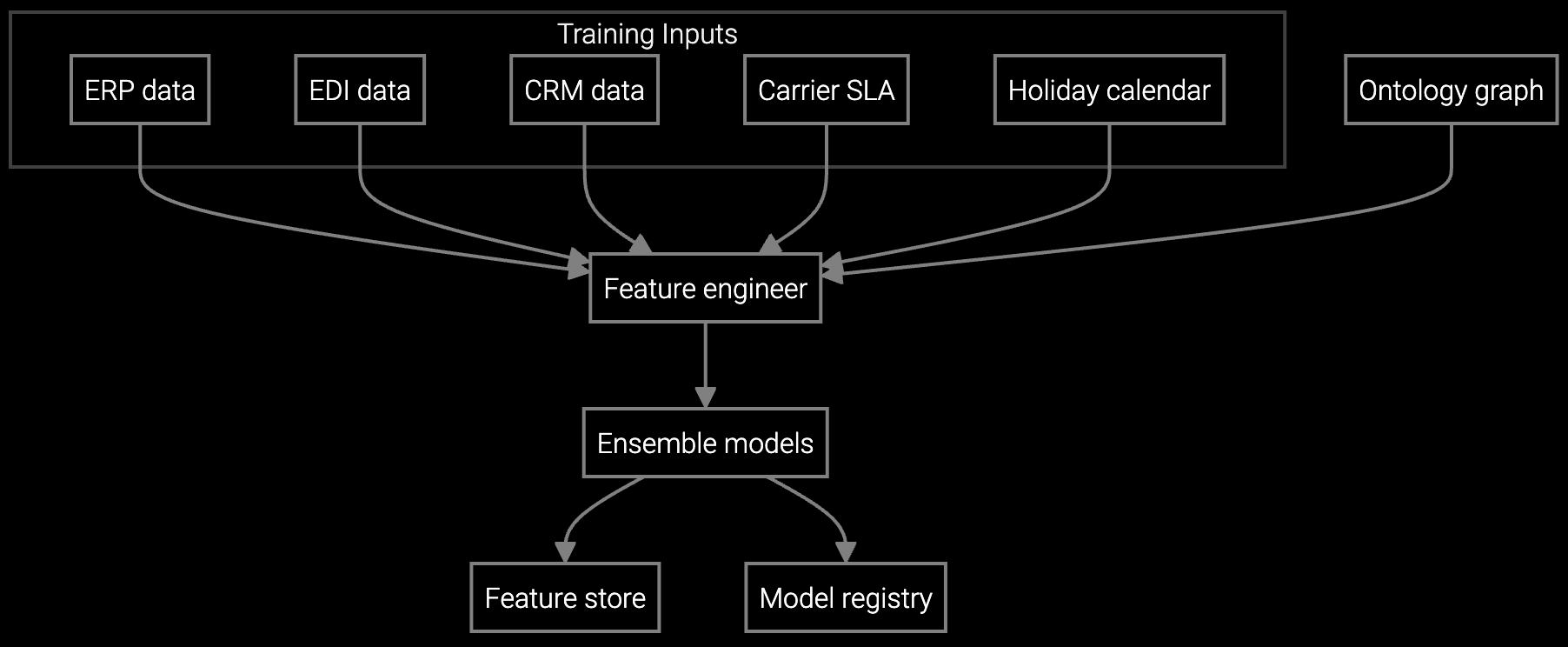
Forecasts server component demand by data center location and time window, optimizing stock levels for drives, memory, and power supplies while minimizing obsolescence.
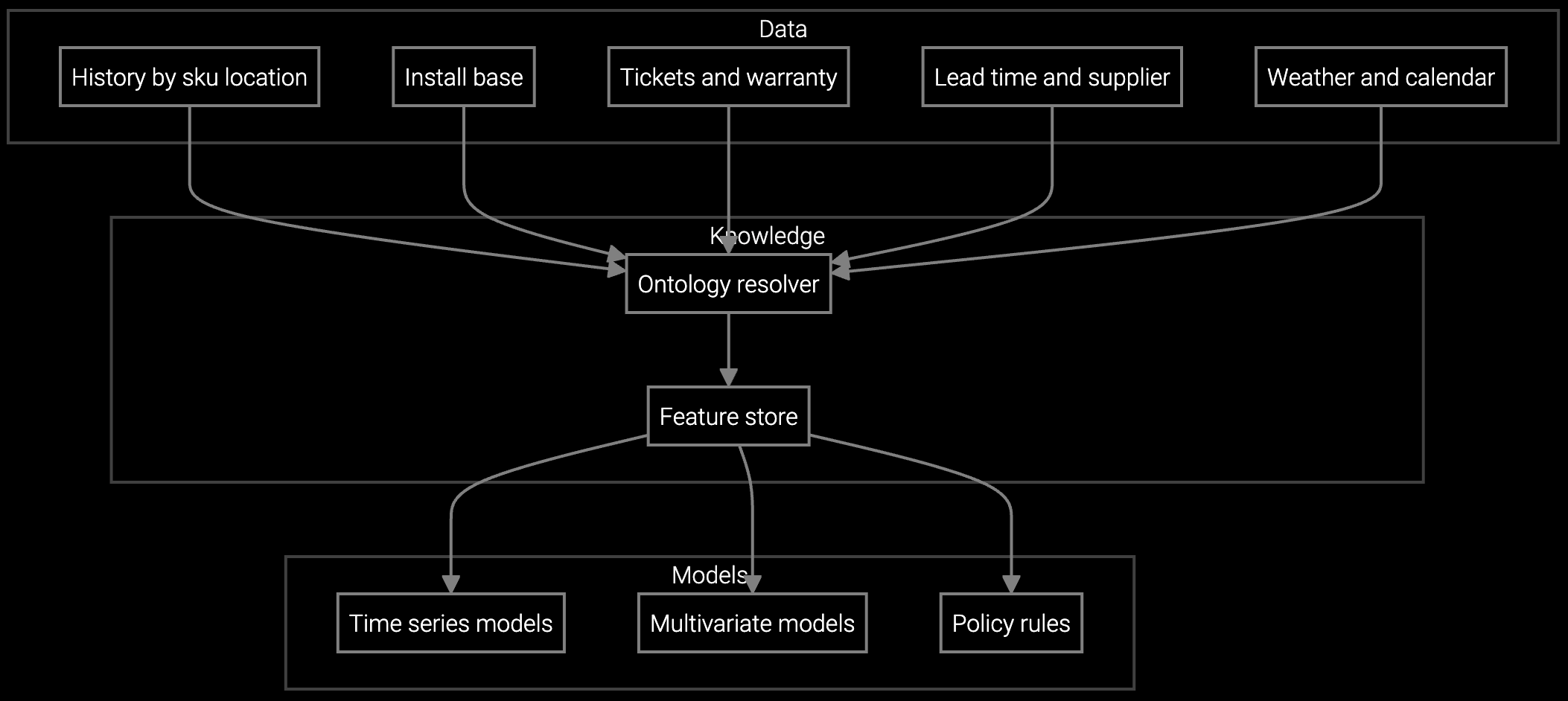
Projects parts consumption based on server fleet age, usage patterns, and hardware generation lifecycles to prevent stockouts during peak failure periods.
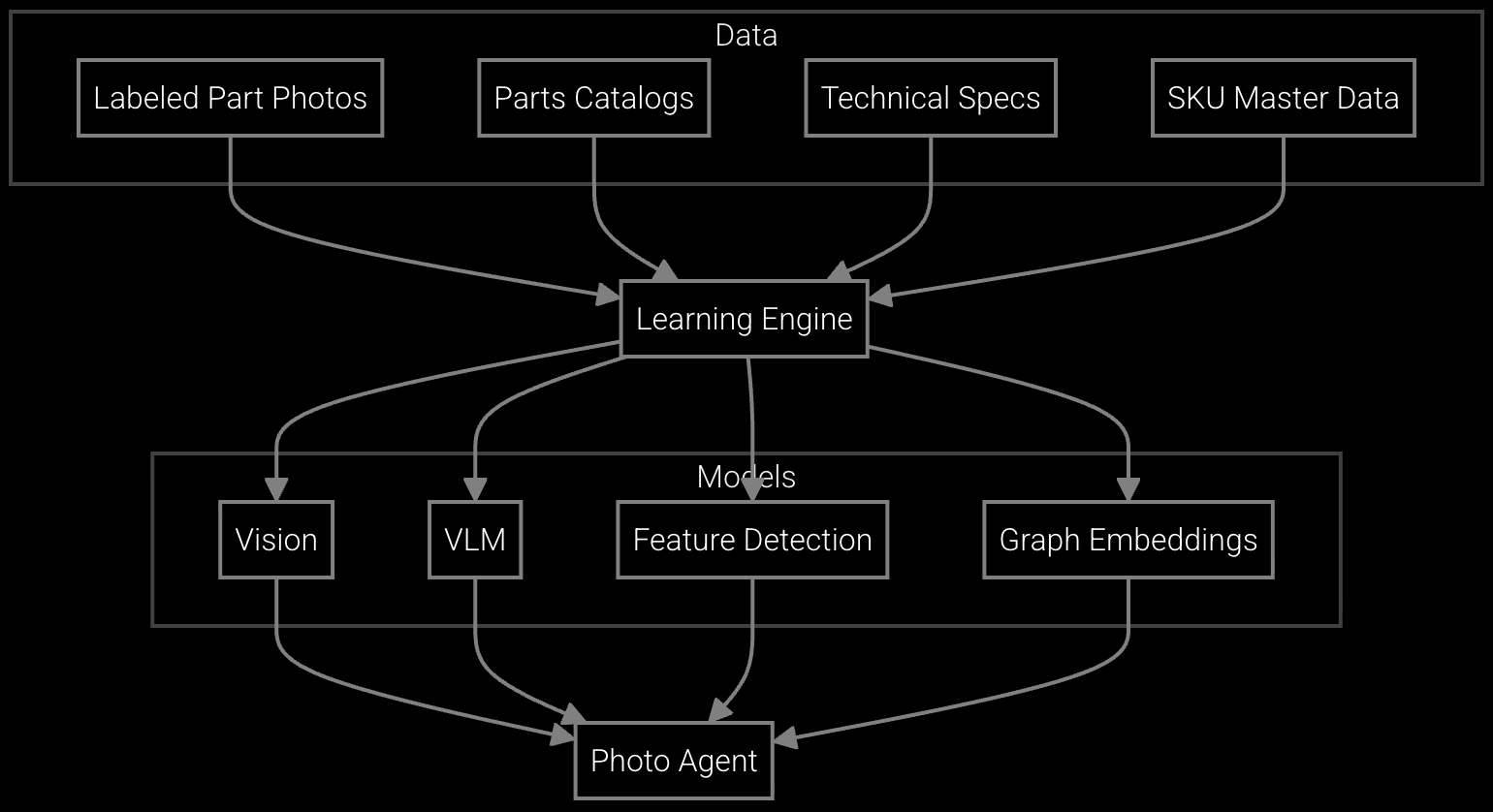
Enables on-site personnel to photograph failed components and instantly retrieve part numbers, availability, and compatible substitutes across multi-vendor environments.
Data center OEMs manage parts inventory across hyperscale facilities serving cloud providers and enterprise colocation customers. Hardware diversity spans multiple server generations, storage architectures (RAID, SAN, NAS), and cooling system vendors—each with distinct failure profiles and lead time requirements.
Power efficiency targets (PUE <1.4) and four-nines availability SLAs leave zero margin for stockouts. When a drive fails in a RAID array or a PDU trips, parts must be on-site within hours. Yet overstocking tens of thousands of SKUs across regional warehouses erodes already-thin margins. AI-driven forecasting bridges this tension by predicting which components will fail where and when, enabling lean inventory without availability risk.
Track carrying cost percentage (target 15-18% vs. 20-25% baseline), fill rate (target 98%+ vs. 92-95% baseline), emergency shipment rate (target <5% of orders), and inventory turns (target 4-6x annually). Compare quarterly to establish trend lines and report margin impact to the board.
Initial carrying cost reductions appear within 60-90 days as the system rightsizes safety stock based on actual failure patterns. Emergency shipment reduction accelerates after 120 days when predictive models achieve sufficient accuracy. Full ROI typically materializes within 6-9 months across multi-site operations.
No. The AI layer integrates with SAP, Oracle, or custom ERP systems via API connectors, augmenting existing workflows rather than replacing them. It generates optimized replenishment recommendations and substitute part suggestions that flow into your current purchasing and fulfillment processes.
Substitute parts matching analyzes compatibility across component specifications, firmware versions, and form factors. When a primary SKU reaches end-of-life, the system recommends compatible alternatives and calculates optimal phase-out timing to minimize stranded inventory while maintaining availability during the transition.
BMC and IPMI telemetry provide real-time hardware health signals. Historical service records identify failure patterns by SKU, location, and age. Lead time data from suppliers informs reorder timing. The system functions with partial data but forecast accuracy improves as telemetry coverage expands across the installed base.

SPM systems optimize supply response but miss demand signals outside their inputs. An AI operating layer makes the full picture visible and actionable.
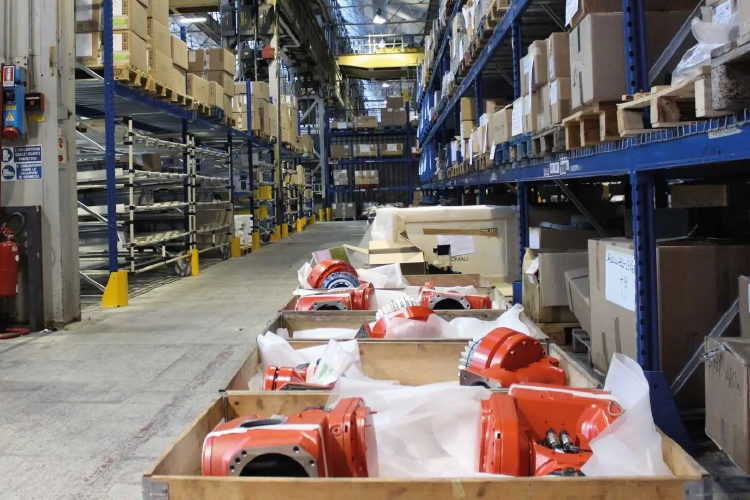
Advanced techniques for accurate parts forecasting.

AI-driven spare parts optimization for field service.
See how predictive parts management impacts your carrying costs and service margins.
Schedule ROI Discussion