
Manual claim verification and RMA processing drain hours daily while fraudulent returns and No Fault Found cases erode warranty reserves.
Automated warranty processing codes 75-85% of appliance claims in under 1 minute each at 95% consistency, per Bruviti deployment data. The system ingests the claim, assigns fault and labor codes, and routes by confidence, so your team stops keying 8-12 minutes per claim and reviews only the flagged exceptions that need a human call.
Every claim requires checking model numbers, serial numbers, and purchase dates across multiple systems. One warranty processor can verify only 12-15 claims per hour.
Invalid claims slip through without pattern recognition. Processors approve returns for out-of-warranty units, mismatched serials, and repeat offenders.
Without diagnostic guidance during claim submission, customers return working units. Each NFF costs $85-$140 in reverse logistics, testing, and restocking.
Automated warranty workflows eliminate swivel-chair tasks by connecting to your warranty system, product database, and service history. When a claim arrives, the platform validates entitlement in real-time, flags fraud patterns, and routes to the correct processor—all before you open the case.
The system presents you with a pre-filled RMA form, relevant product history, and a recommended action. Your role shifts from data entry to decision validation. One click approves or escalates. You process 40+ claims per hour instead of 12.
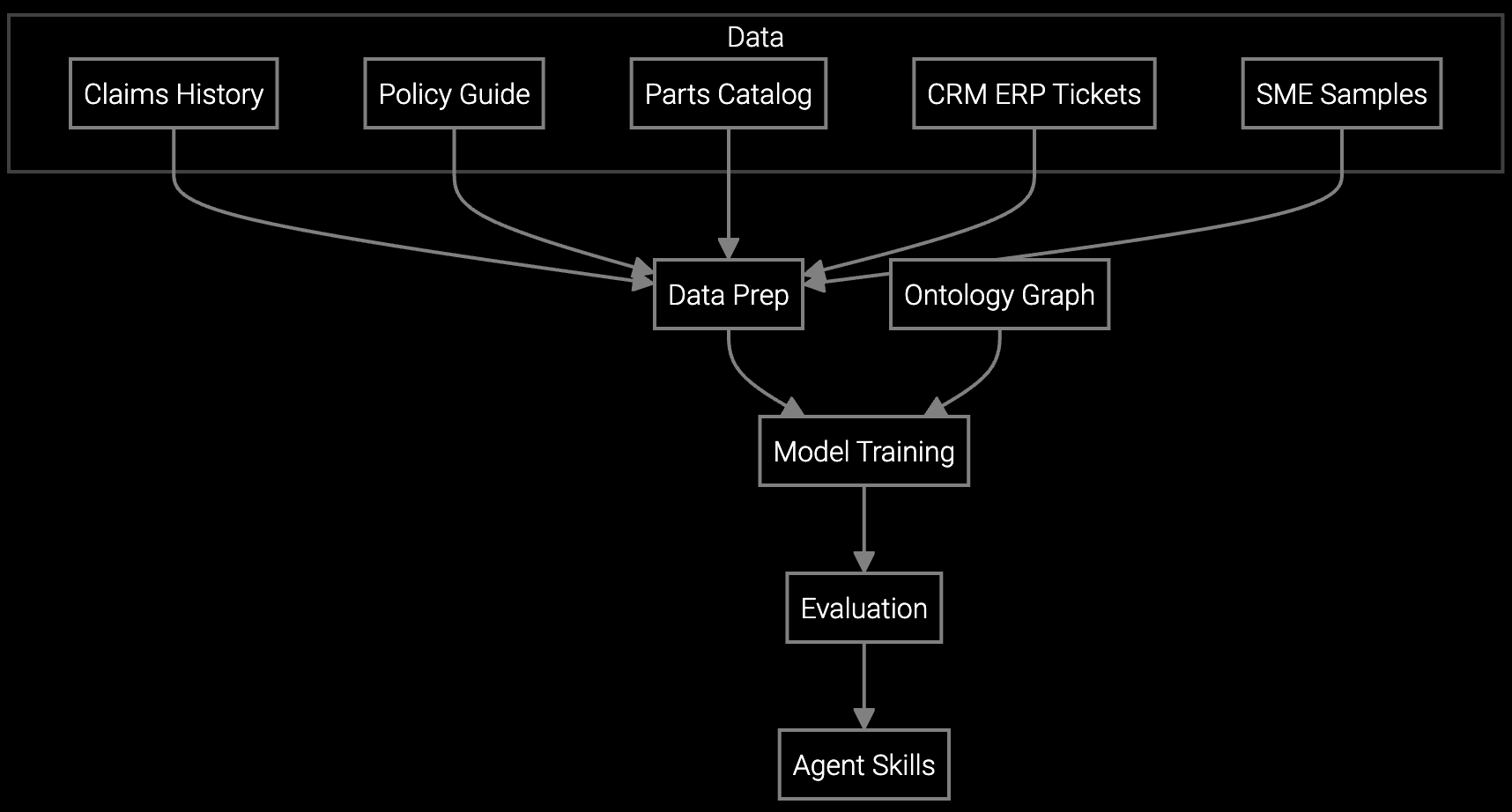
Automatically classify and code warranty claims for refrigerators, washers, and HVAC units—reducing manual coding time by 80%.
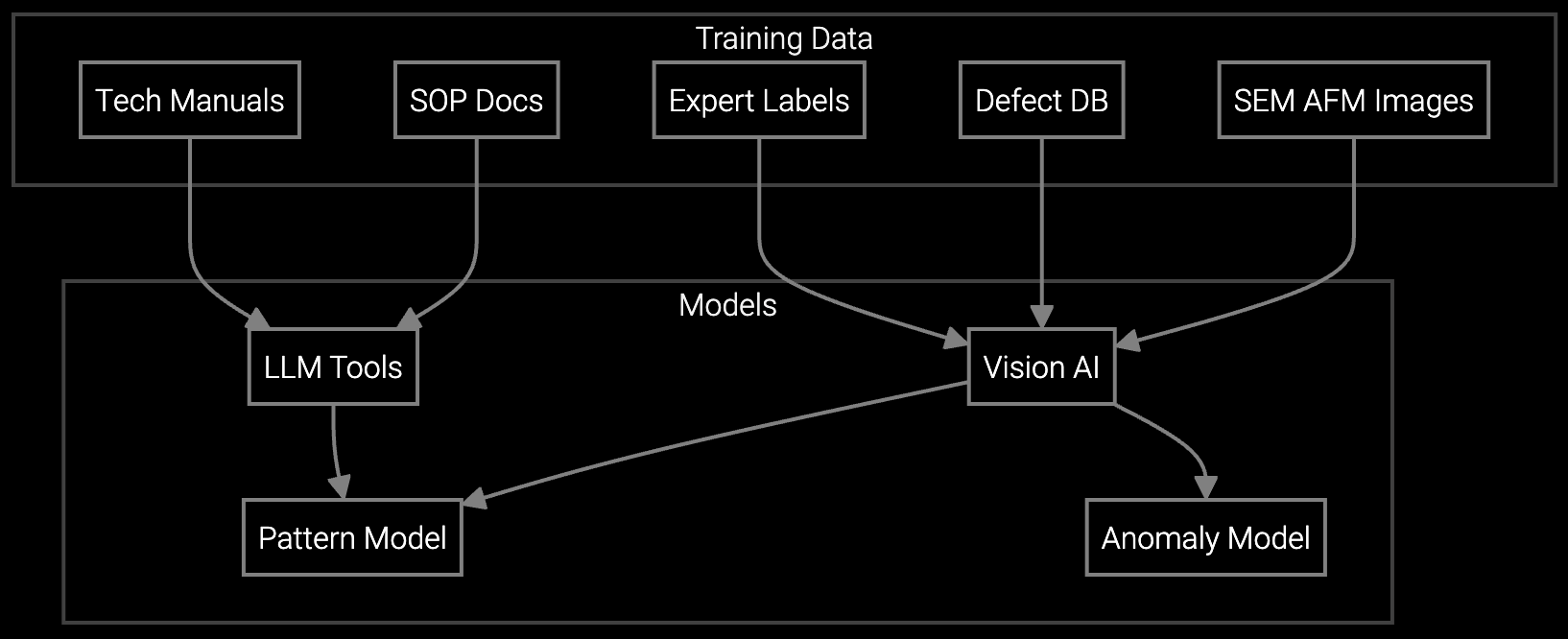
AI analyzes microscopic images of failed appliance components to validate warranty claims and identify defect patterns.
Appliance manufacturers process thousands of warranty claims weekly across refrigerators, washers, dryers, dishwashers, and HVAC systems. Each product line has unique failure modes, warranty terms, and parts inventories. Seasonal spikes during summer (HVAC, refrigeration) and winter (heating) create backlogs.
Automated workflows absorb volume spikes without adding headcount. The system recognizes model-specific failure patterns—compressor failures in fridges, drum bearing issues in washers, heat exchanger cracks in furnaces—and routes to specialized processors. During peak season, throughput increases 250% without overtime.
The platform connects to your warranty database, product catalog, and purchase records. When a claim arrives, it cross-references the model number, serial number, and purchase date in under 2 seconds. If any field doesn't match, the system flags the claim for manual review before generating an RMA.
AI identifies repeat claimants submitting multiple returns within short timeframes, mismatched serial numbers indicating parts swapping, claims for units outside warranty windows, and geographic clusters suggesting organized fraud. The system scores each claim's fraud risk and blocks high-risk submissions automatically.
Before authorizing a return, the system guides customers through symptom-based diagnostics. For a refrigerator not cooling, it checks temperature settings, door seal condition, and coil cleanliness. Many issues resolve without a return. For legitimate failures, the system captures diagnostic data that helps refurbishment teams process returns faster.
Yes. The platform maintains warranty rules per product line—1-year parts and labor for small appliances, 5-year sealed system warranties for refrigerators, extended coverage for commercial HVAC. It applies the correct rules automatically based on model number and purchase date, eliminating manual policy lookups.
Uncertain cases escalate to your queue with a summary of the issue, a confidence score, and suggested actions. You review the case with full context—product history, similar past claims, and diagnostic data—and make the final call. Escalations typically represent 10-15% of total claims.
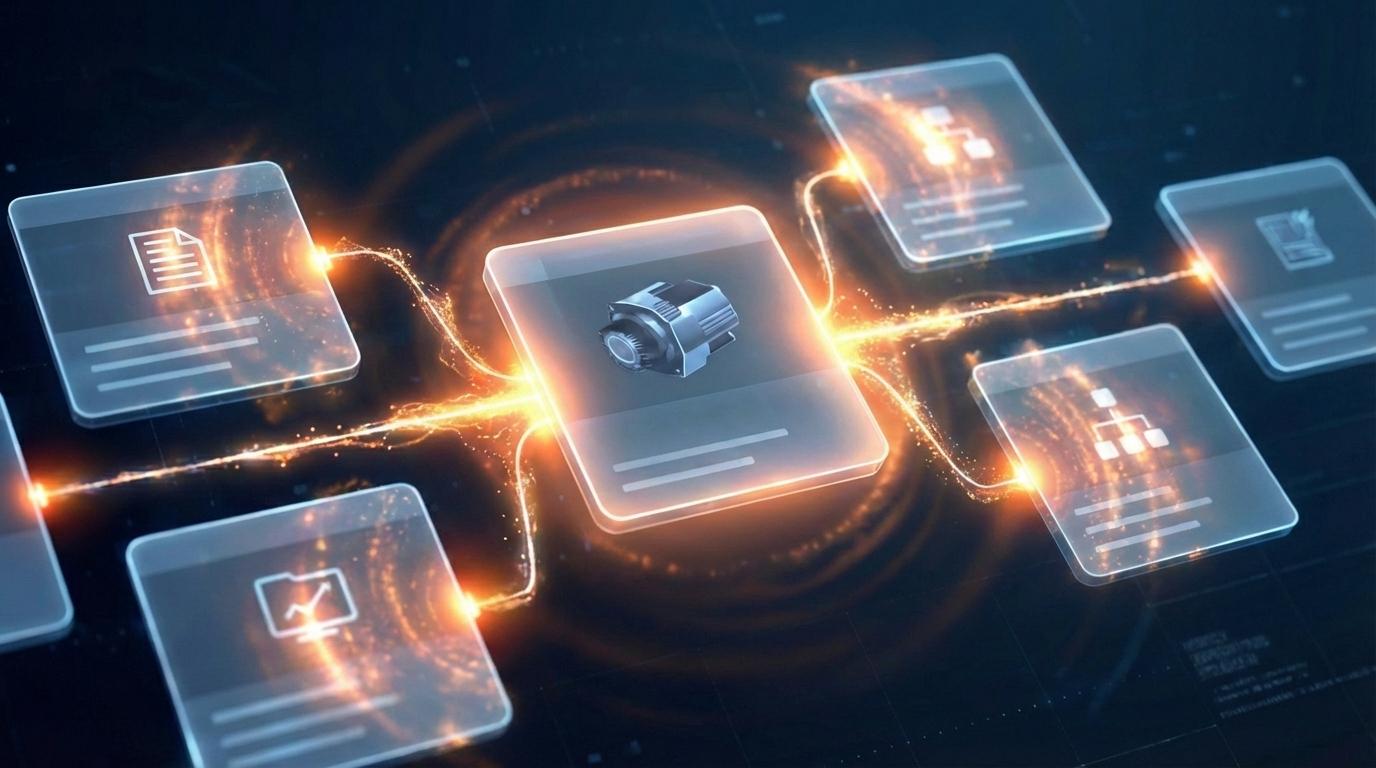
Software stocks lost nearly $1 trillion in value despite strong quarters. AI represents a paradigm shift, not an incremental software improvement.
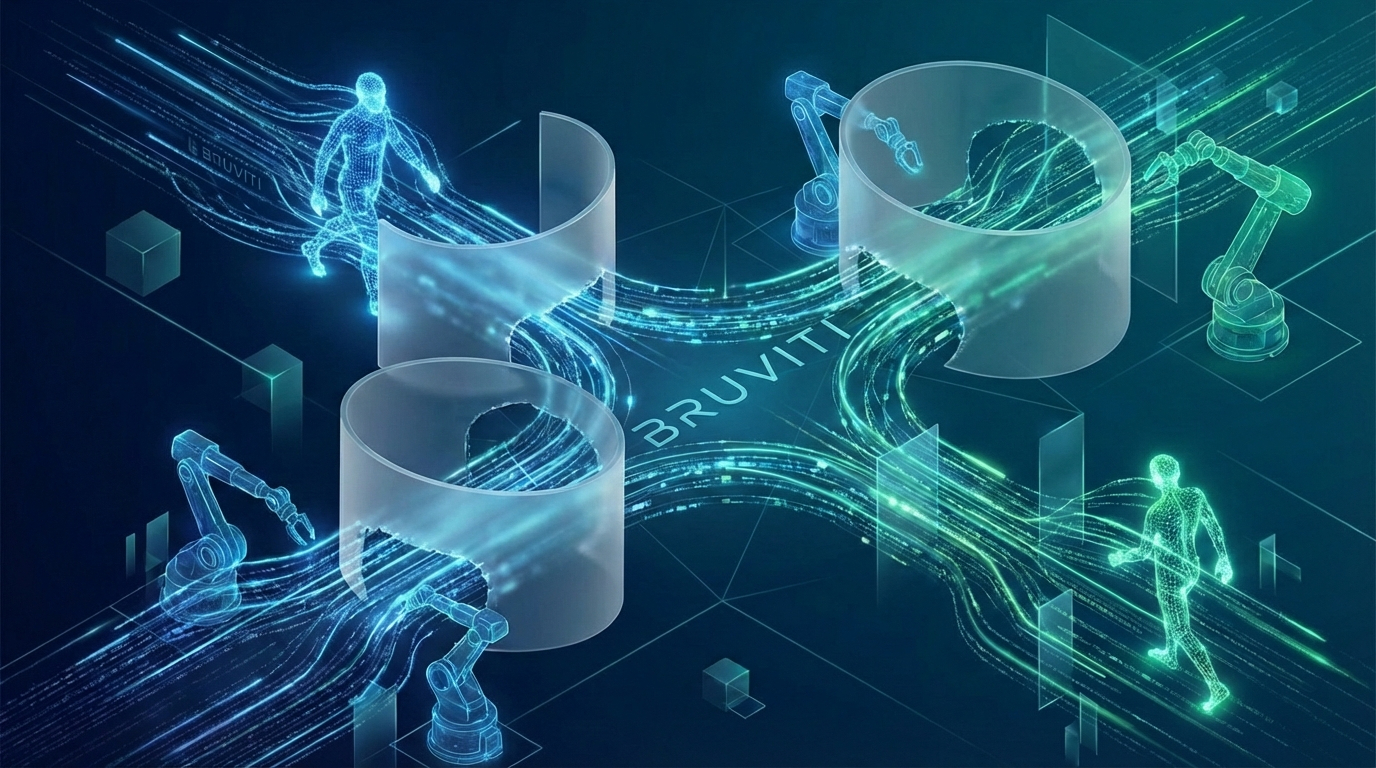
Function-scoped AI improves local efficiency but workflow-native AI changes cost-to-serve. The P&L impact lives in the workflow itself.
Five key shifts from deploying nearly 100 enterprise AI workflow solutions and the GTM changes required to win in 2026.
See how Bruviti reduces manual touchpoints and cuts NFF returns in a 30-minute demo.
Schedule Demo