
Seasonal demand spikes and product complexity drive handle time up while margins shrink—manual workflows can't scale.
Bruviti AI workflows decrease average handle time 12.5% and raise first call resolution 16% in appliance support, per Bruviti deployment data, by pre-triaging contacts and surfacing fixes before the agent answers. Operators run higher case throughput per shift while keeping resolution quality consistent across the team.
Agents search through hundreds of model-specific manuals to find error codes, parts, and troubleshooting steps. Each lookup adds minutes to handle time and delays the customer.
Agents switch between ticketing systems, warranty databases, and parts catalogs to document cases. The data entry burden reduces time spent actually solving problems.
New agents lack experienced troubleshooting patterns. Inconsistent answers drive repeat contacts, escalations, and warranty claim errors that erode trust and margin.
The platform monitors incoming cases, automatically extracts appliance model, serial number, symptom description, and error codes. It correlates symptoms against historical case data, technical bulletins, and connected appliance telemetry to generate a complete resolution package—diagnosis, troubleshooting steps, recommended parts, and warranty eligibility—before the agent opens the ticket.
Agents review the AI-generated resolution case in a single screen. If the recommendation is accurate, they approve and send. If context is missing, they refine the diagnosis with one or two clarifying questions. The platform auto-populates case notes, orders parts, and updates warranty records. Agents move from "searching and documenting" to "validating and approving," cutting handle time in half while improving first-call resolution.
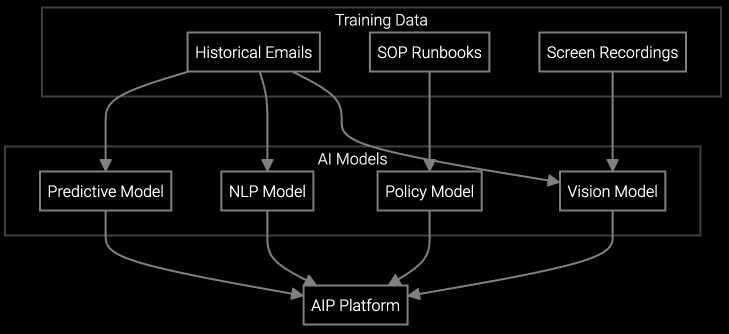
AI reads customer emails describing dishwasher error codes, classifies issue severity, and drafts responses with model-specific troubleshooting steps—ready for agent review in seconds.
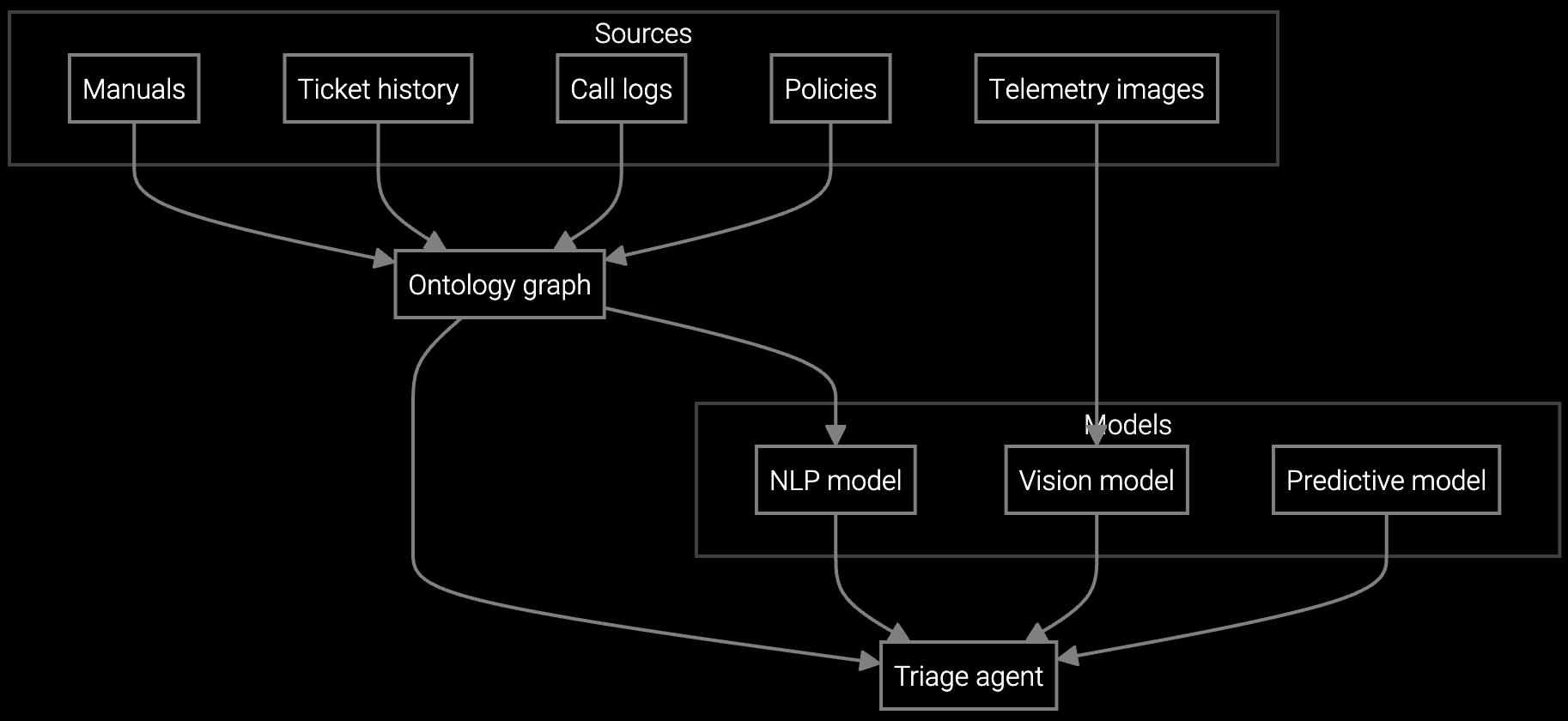
Autonomous triage analyzes refrigerator symptoms, correlates with historical failure patterns, and routes HVAC seasonal surge cases to the right team with pre-loaded diagnostic context.
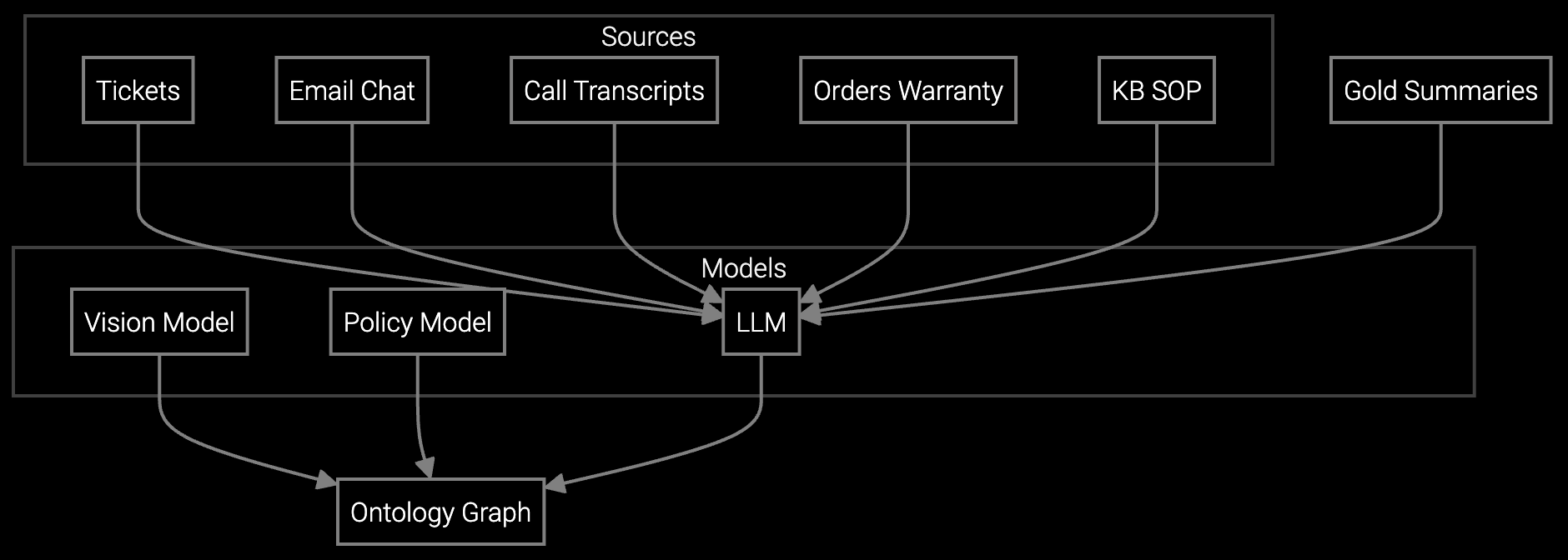
Instantly generates case summaries from chat logs and call transcripts, so agents handling washer warranty escalations understand full history without reading everything.
HVAC seasonal demand spikes during summer heatwaves and winter cold snaps drive contact volume up 3x in days. Manual triage workflows collapse under load, pushing handle times past 12 minutes and first-call resolution below 50%. Agents hired for surge periods lack product knowledge, extending training cycles and compounding errors.
AI workflows pre-screen incoming refrigeration and HVAC cases, auto-classify urgency based on ambient temperature data and warranty status, and route to the appropriate tier. New agents receive AI-generated resolution packages validated against thousands of historical seasonal cases, enabling them to handle complex troubleshooting without months of training. Surge capacity scales instantly without sacrificing quality.
The platform trains on historical case data, service bulletins, and parts catalogs spanning decades of product lines. It identifies cross-model patterns and substitute parts, enabling agents to resolve legacy appliance issues without dedicated subject matter experts on staff.
Agents validate every AI-generated recommendation before sending to customers. If the diagnosis is incorrect, agents flag the error and provide the correct resolution. The platform learns from corrections, improving accuracy over time while maintaining human oversight.
Yes. The platform connects via API to warranty databases, automatically checks entitlement, pre-authorizes covered repairs, and updates claim records. This eliminates manual warranty lookups and reduces no-fault-found returns by validating eligibility before parts ship.
Initial model training requires 2-4 weeks using historical case data, product manuals, and parts catalogs. The platform begins delivering value during pilot phase, with accuracy improving as agents validate more cases and the system learns from corrections.
No. The AI-generated resolution cases appear directly in agents' existing ticketing interface. Training focuses on reviewing recommendations and flagging errors—skills agents already have. Most teams reach full adoption within one week of deployment.
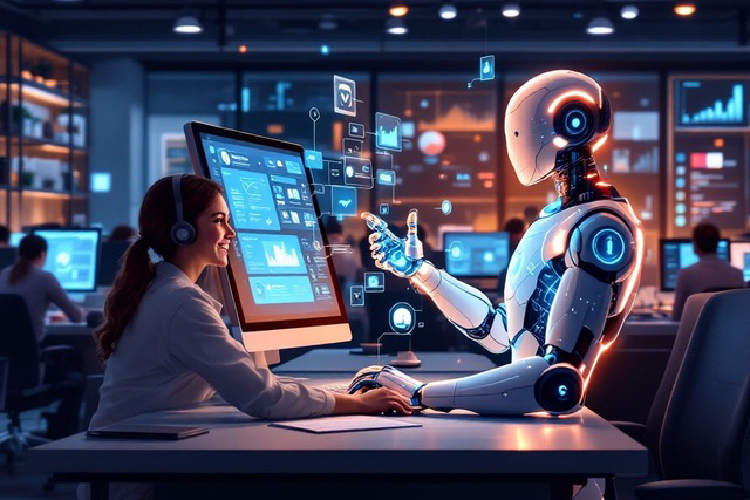
Transforming appliance support with AI-powered resolution.

Understanding and optimizing the issue resolution curve.
Software stocks lost nearly $1 trillion in value despite strong quarters. AI represents a paradigm shift, not an incremental software improvement.
Watch a live demo of AI-driven case resolution for appliance support teams.
Schedule Demo