
Manual warranty lookups and multi-system processing cost returns teams 3-4 hours daily in preventable delays.
Faster AI warranty processing saves appliance returns teams 200-300 analyst hours per month and cuts reporting errors 30%, per Bruviti deployment data. With handling time dropping from 8-12 minutes to under 1 minute per claim, the same team clears far more volume without overtime, and the recovered hours move to high-value exception work.
Processing a single warranty claim requires checking entitlement in ERP, looking up service history in CRM, verifying purchase date in order management, and cross-referencing product specs in PLM. Every claim becomes a 15-minute treasure hunt.
Without clear diagnosis guidance, returns teams authorize RMAs for appliances that could be fixed remotely or don't qualify for warranty. Each unnecessary return triggers reverse logistics, inspection labor, and restocking work.
High-volume returns periods like summer HVAC season or holiday appliance sales create claim backlogs. Customers wait days for RMA approval while returns teams work overtime sorting legitimate claims from user error or out-of-warranty requests.
Bruviti's platform eliminates swivel-chair system hopping by bringing entitlement status, service history, and diagnostic guidance into a single workflow. When a claim arrives, the system instantly pulls warranty coverage, flags common issues for that model, and surfaces whether the symptom matches a known defect or user error. Returns teams approve or deny claims in minutes instead of hunting through four systems.
The ROI appears in three places. First, processing time drops 40-60% because all verification happens automatically in one screen. Second, NFF returns fall 20-30% because guided diagnostics catch cases that don't need physical return. Third, peak season backlogs shrink because each processor handles 2x the claim volume without overtime. For a team processing 500 claims weekly, that's 12-15 hours reclaimed per person and $30-50K saved annually in unnecessary reverse logistics.
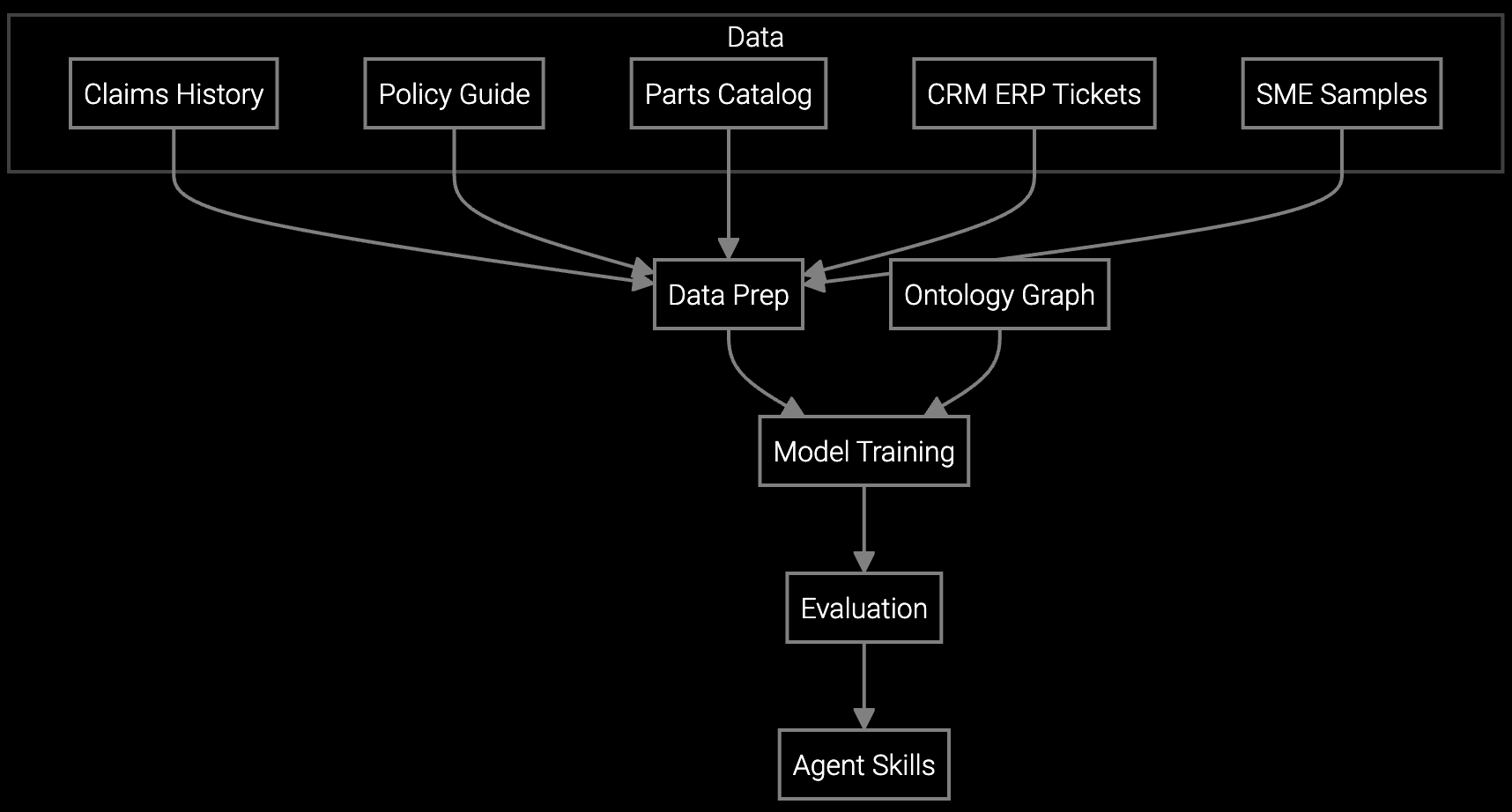
Automatically classify warranty claims for refrigerators, HVAC systems, and kitchen appliances by analyzing customer descriptions, matching them to known failure modes, and routing to the correct processing queue without manual triage.
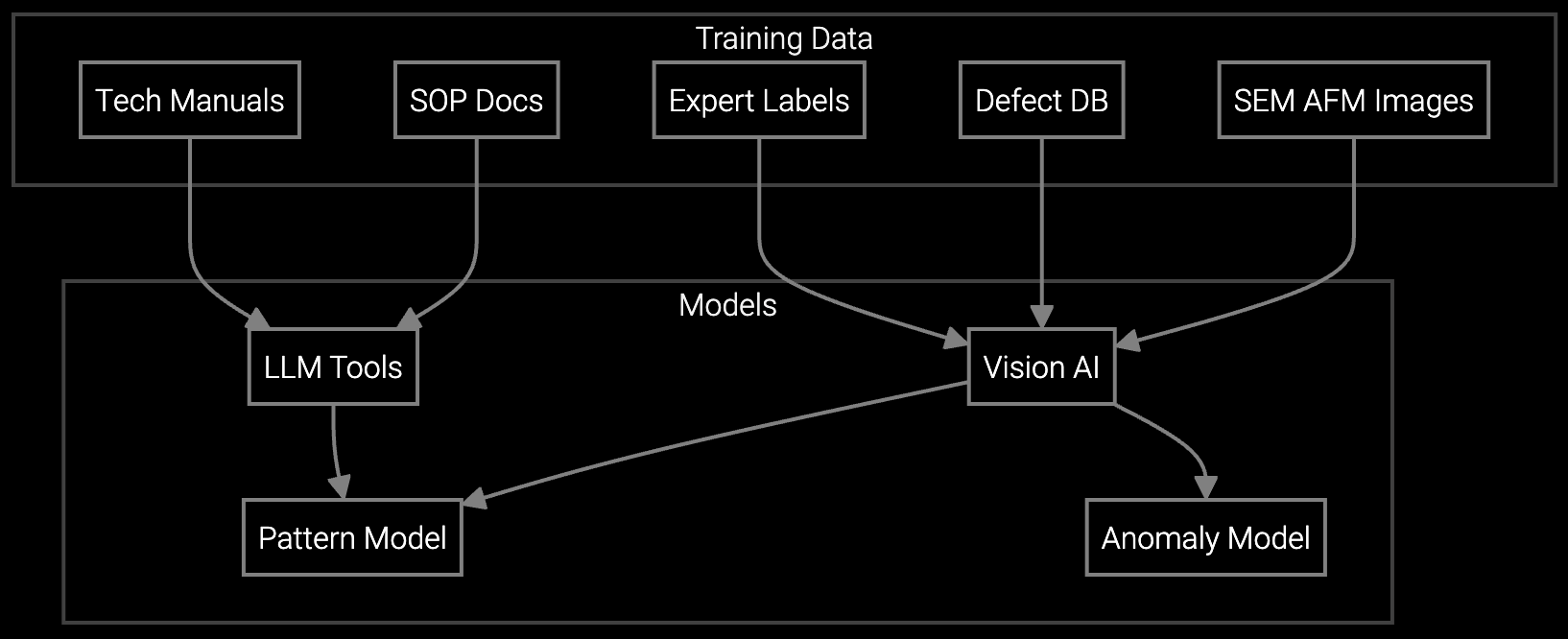
For complex appliance component failures, AI analyzes microscopic images of returned parts to identify manufacturing defects versus wear-and-tear, validating warranty claims and feeding root cause data back to design teams.
Appliance manufacturers face high warranty volume at thin margins. A typical refrigerator warranty costs 2-4% of revenue, while HVAC seasonal spikes create 3x normal claim volume during summer heat waves. Returns teams juggling 500+ weekly claims across decades of product SKUs spend most of their time on lookup, not decision-making.
AI workflow automation targets the highest-cost activities: verifying whether a 7-year-old dishwasher is still under extended warranty, determining if a compressor noise is a defect or normal operation, and deciding whether a leaking refrigerator needs return or can be fixed on-site. By automating entitlement checks and surfacing model-specific guidance, each processor handles 2x the volume while cutting NFF returns that trigger $150-300 in unnecessary reverse logistics per unit.
Most appliance OEMs see ROI within 4-6 months. Time savings show immediately—processors handle 40-60% more claims per day. NFF reduction takes 60-90 days to validate but delivers ongoing logistics cost avoidance. A team processing 500 claims weekly typically recoups platform cost through labor efficiency alone, with NFF savings providing additional margin protection.
Track three KPIs: average claim processing time (target 40-60% reduction), NFF rate (target 20-30% decrease), and claims processed per hour per person (target 2x baseline). For financial justification, calculate labor hours saved times fully-loaded hourly cost, plus NFF returns avoided times reverse logistics cost per unit ($150-300 for appliances). Most returns teams reclaim 12-15 hours weekly per processor.
Yes, automation specifically helps manage peak periods. Summer HVAC claims or holiday appliance returns create 2-3x normal volume, which traditionally means overtime or backlogs. AI-guided workflows maintain consistent per-claim processing time regardless of queue depth. Teams that normally face 7-10 day backlogs during peaks process claims in 2-3 days without adding headcount or overtime costs.
Each NFF return costs $150-300 in reverse logistics, receiving labor, inspection time, and restocking. At 18-25% baseline NFF rate, a manufacturer processing 500 warranty returns weekly spends $75-150K annually on unnecessary logistics. Reducing NFF rate to 12-15% through better pre-authorization diagnostics saves $30-60K annually while also reducing warehouse workload and customer frustration from delayed resolutions.
Absolutely. Baseline current state by timing how long a typical claim takes from receipt to approval, including all system lookups. Most teams spend 12-18 minutes per claim with 60% of that time hunting data across ERP, CRM, and warranty systems. Single-screen workflows reduce this to 5-7 minutes by automatically pulling entitlement, history, and diagnostic guidance. Track claims processed per hour before and after—most teams see 40-60% throughput increase within the first month.
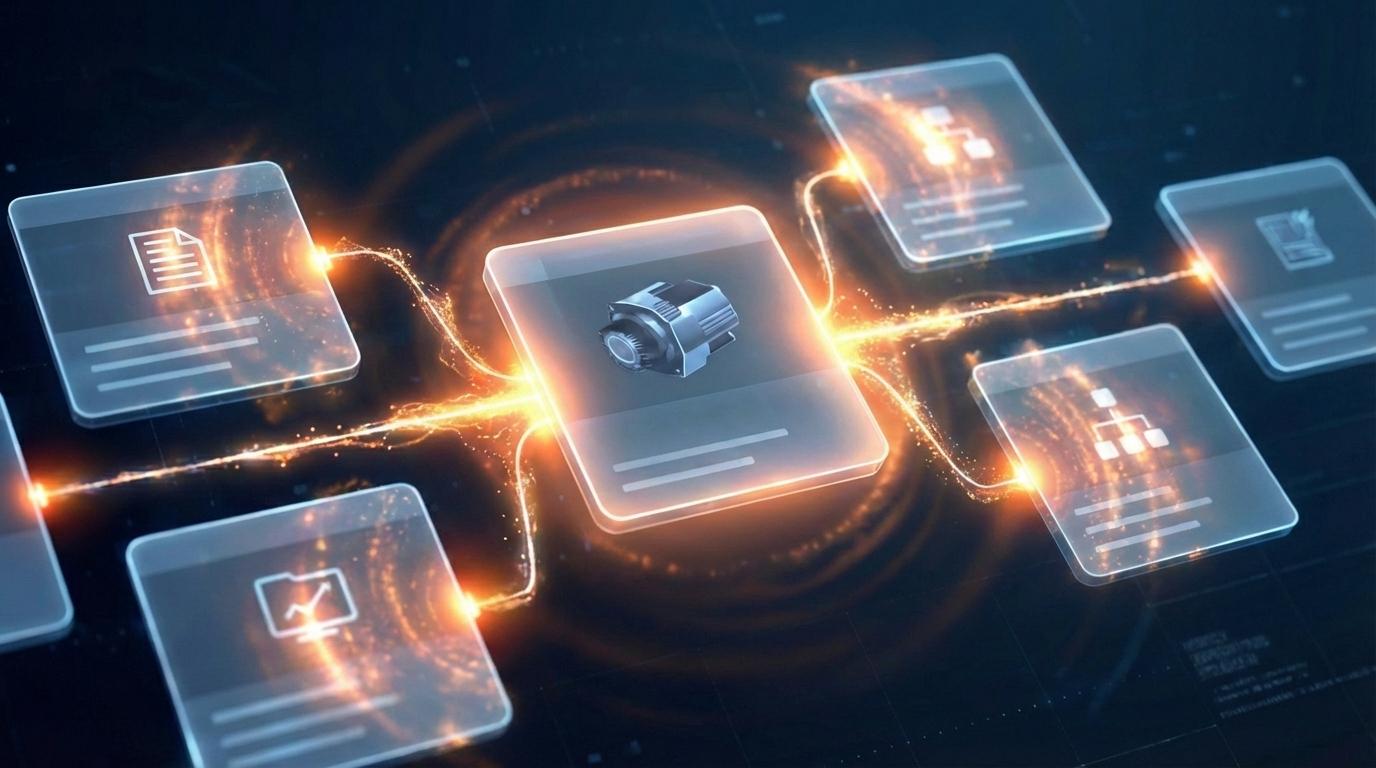
Software stocks lost nearly $1 trillion in value despite strong quarters. AI represents a paradigm shift, not an incremental software improvement.
Function-scoped AI improves local efficiency but workflow-native AI changes cost-to-serve. The P&L impact lives in the workflow itself.

Five key shifts from deploying nearly 100 enterprise AI workflow solutions and the GTM changes required to win in 2026.
Calculate your team's ROI from faster warranty processing with a custom productivity assessment.
Schedule ROI Assessment