
Every unnecessary return drains margin—and your team processes each one manually.
AI failure-pattern recognition cuts false alerts by 50% versus rules-only baselines and detects genuine failures 65% faster in under 10 minutes, per Bruviti deployment data. For industrial equipment teams, every avoided No Fault Found return saves a shipped-back part and an analyst's time, while warranty processing drops to under 1 minute per claim.
Each return requires manual inspection, testing, documentation, and disposition decision. NFF units consume the same processing time as legitimate failures but generate zero recovery value.
High NFF rates force conservative reserve accruals because you can't predict which claims are valid. Excess reserves tie up capital that could fund growth or improve margins.
Precautionary part swaps on NFF returns deplete inventory without fixing actual failures. You ship replacement units that may not address the root issue, leading to repeat returns.
The platform validates claims before authorizing returns by cross-checking warranty entitlement, failure symptoms, and equipment operating history. It flags inconsistencies that signal operator error, installation issues, or environmental factors rather than equipment defects. This automated validation step routes suspected NFF cases to guided troubleshooting instead of immediate return authorization.
When returns are necessary, the system generates root cause hypotheses from telemetry patterns, maintenance logs, and historical failure data. You review a pre-built case showing most likely failure mode, recommended test procedures, and whether refurbishment or scrap is more cost-effective. This eliminates speculative part replacements and reduces the rework loop where NFF units return to service only to come back again.
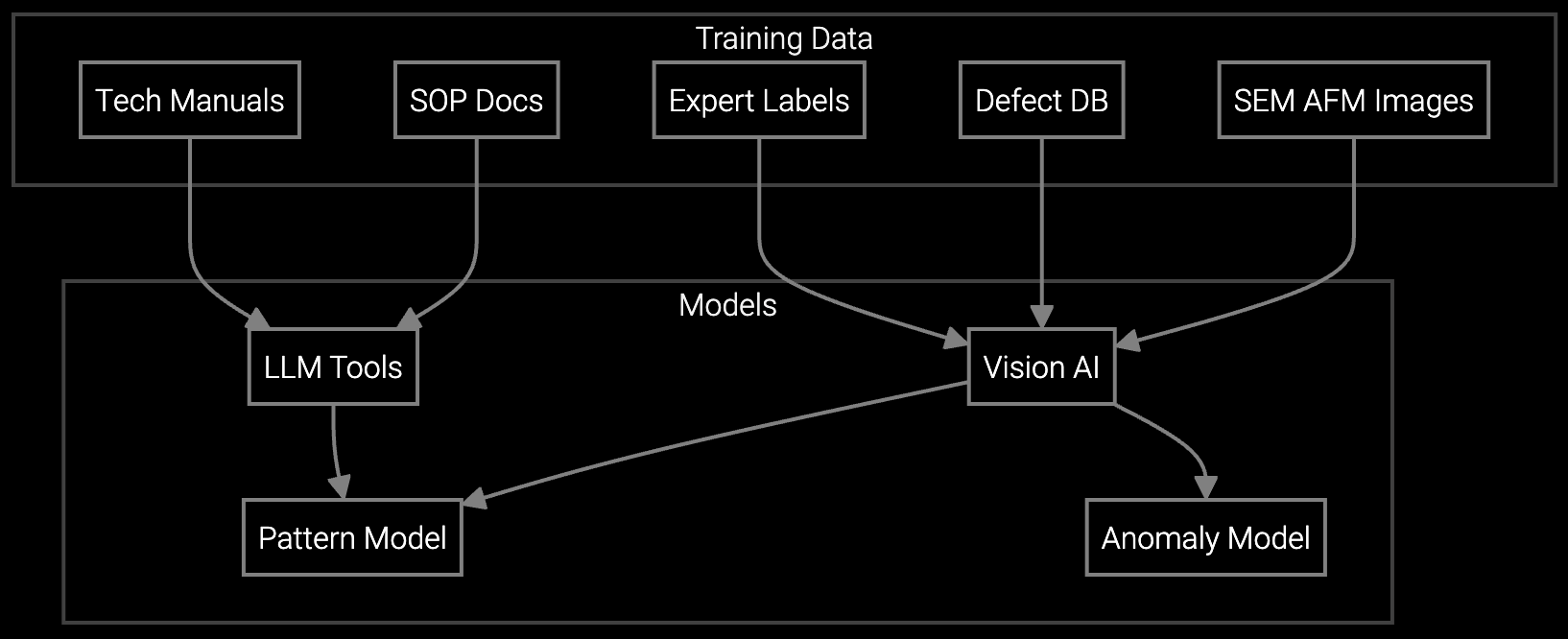
Analyze microscopic images from returned CNC machine components to classify wear patterns, confirm manufacturing defects, and distinguish valid warranty claims from normal wear.
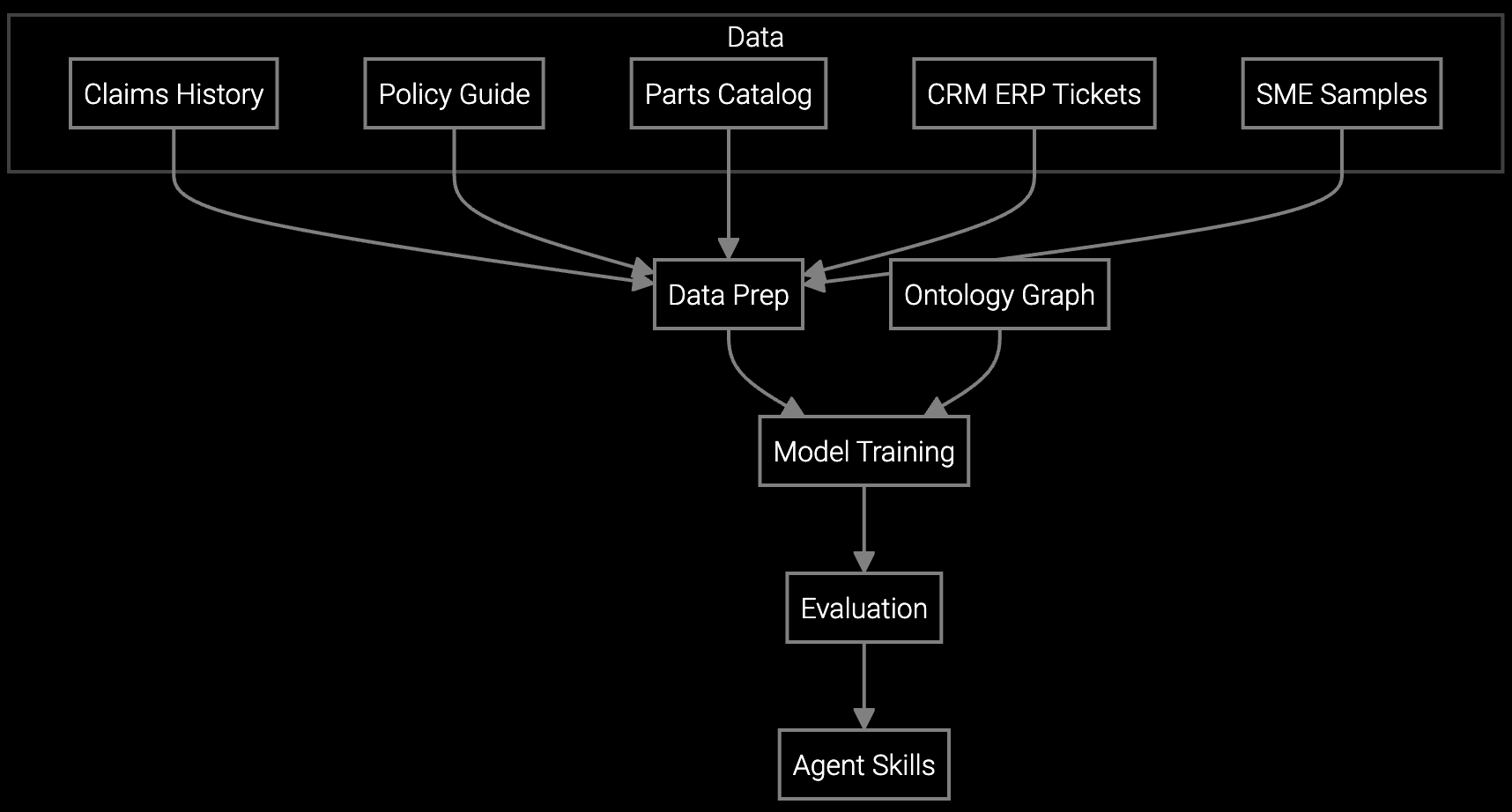
Automatically classify and code warranty claims for heavy machinery based on failure symptoms, operating hours, and maintenance records—reducing manual review time and improving accuracy.
Industrial equipment with 10-30 year lifecycles generates complex warranty scenarios. A CNC machine flagged for "spindle failure" may have experienced improper tooling, inadequate coolant flow, or operator programming errors—none of which warrant return. The platform analyzes PLC logs, vibration sensor data, and maintenance timestamps to isolate equipment defects from operational issues.
For heavy machinery deployed in remote locations, return logistics are particularly costly. Shipping a 5-ton compressor core for inspection only to find no defect wastes weeks and thousands in freight. Automated claim validation using condition monitoring data prevents these unnecessary returns by confirming actual failure modes before authorizing RMA.
Most industrial equipment manufacturers observe measurable NFF rate reduction within 60-90 days of deployment. Early gains come from automated entitlement verification and failure symptom validation. Deeper improvements—targeting 15-20% reduction—require 4-6 months as the system learns equipment-specific failure patterns from your return data.
The platform requires warranty registration data, equipment serial numbers, and basic failure descriptions at minimum. Adding PLC logs, sensor telemetry, maintenance records, and operating hours significantly improves diagnostic accuracy. Integration with SCADA systems or IoT platforms enables real-time validation before authorizing returns.
For older equipment lacking telemetry, the platform uses historical return patterns, failure mode libraries, and warranty claim text analysis to validate claims. It flags cases with inconsistent symptoms or missing maintenance documentation for manual review, reducing NFF returns even without live sensor feeds.
Bruviti's platform presents validation findings as recommendations, not automatic denials. Your team reviews flagged cases and overrides when necessary. The system learns from these corrections to improve future accuracy. False positive rates typically drop below 5% after initial calibration using your specific return data.
Track three metrics: NFF rate reduction percentage, cost per prevented return (including logistics, inspection, and restocking), and change in warranty reserve accruals. Multiply prevented returns by processing cost, then add reserve reduction impact. Most industrial OEMs see 8-15% total warranty cost reduction within 12 months.
Software stocks lost nearly $1 trillion in value despite strong quarters. AI represents a paradigm shift, not an incremental software improvement.
Function-scoped AI improves local efficiency but workflow-native AI changes cost-to-serve. The P&L impact lives in the workflow itself.

Five key shifts from deploying nearly 100 enterprise AI workflow solutions and the GTM changes required to win in 2026.
See how much you can save by reducing unnecessary returns in your warranty process.
Schedule ROI Analysis