
Warranty reserves erode margins faster than any other service cost—AI transforms unpredictable liability into measurable control.
AI warranty-claims automation delivers a 90% reduction in warranty claim processing time and saves 200-300 analyst hours per month for appliance manufacturers, per Bruviti deployment data. With 75-85% of claims auto-coded, the cost case is direct: lower labor per claim, faster reimbursement cycles, and fewer reporting errors feeding warranty accruals and supplier recovery.
Appliance manufacturers set warranty reserves at 2-4% of revenue, but unpredictable claims patterns cause reserve shortfalls. Inaccurate forecasting forces quarterly adjustments that alarm CFOs and pressure margins in a low-margin industry.
HVAC systems, refrigerators, and washers returned with "no defect identified" consume refurbishment capacity, tie up inventory, and trigger unnecessary replacements. Each NFF return costs $150-400 in reverse logistics and processing labor with zero value creation.
Consumer-facing warranties invite abuse—false symptom reports, entitlement misrepresentation, and serial returners. Manual claim validation catches obvious fraud but misses sophisticated patterns, costing manufacturers millions in unwarranted payouts and replacements.
Bruviti's platform analyzes warranty claims, entitlement records, and return history to automate validation, detect fraud, and predict reserve requirements. For appliance manufacturers processing tens of thousands of monthly claims across diverse product lines—from dishwashers to commercial HVAC—the AI applies consistent rules that manual teams cannot sustain at scale.
The financial impact concentrates in three areas. First, NFF reduction through better pre-authorization triage eliminates unnecessary returns. Second, automated entitlement verification cuts processing labor by 60-70% while improving accuracy. Third, fraud detection algorithms identify suspicious patterns across model numbers, serial ranges, and claimant behavior that human reviewers miss. The result is margin protection in an industry where every basis point matters.
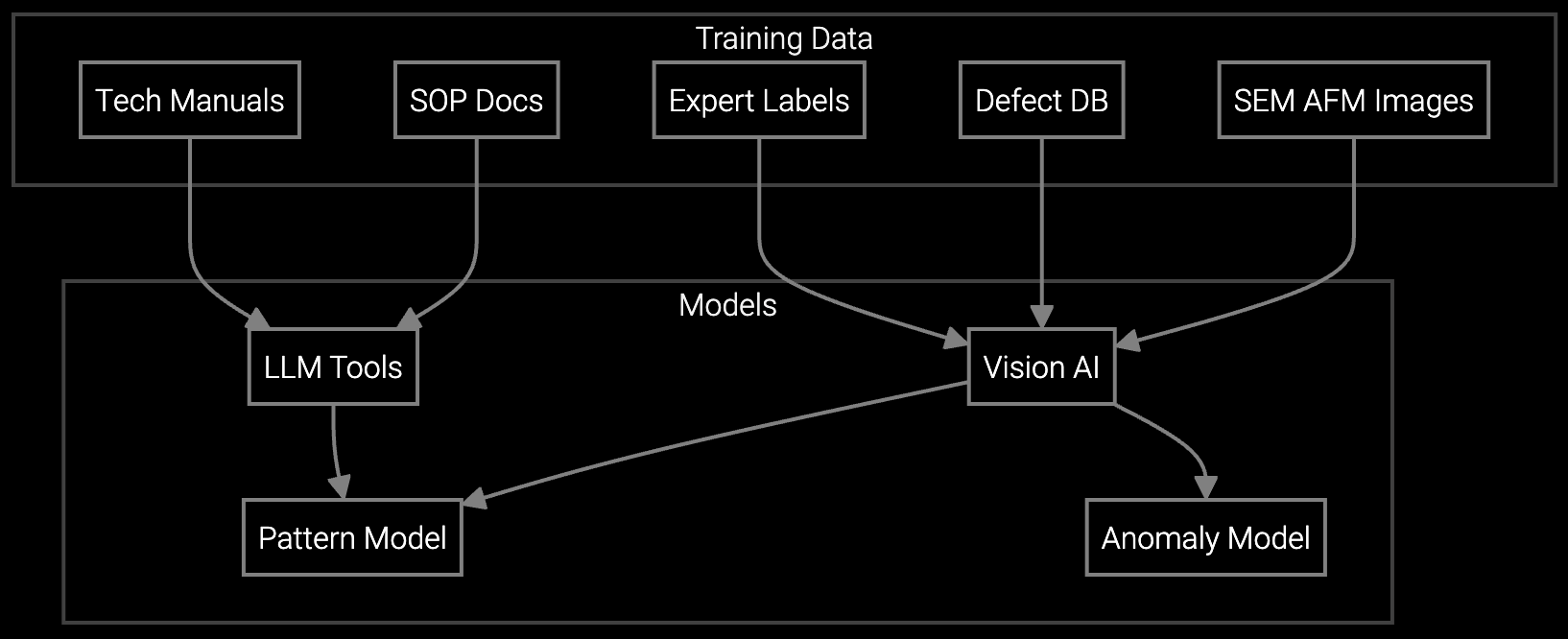
AI analyzes microscopic images of returned appliance components to validate defect claims, classify failure modes, and eliminate NFF returns caused by misdiagnosis.
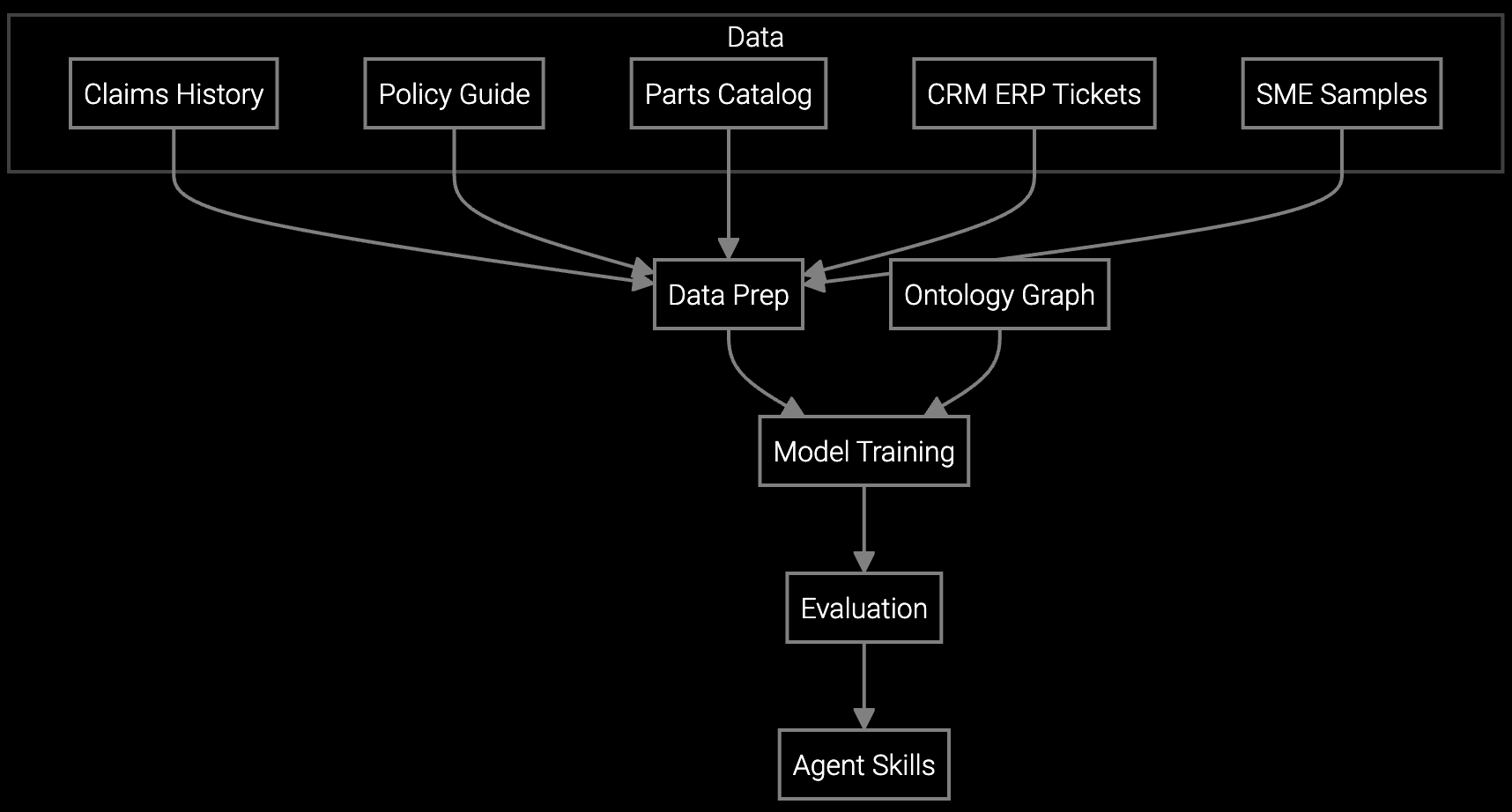
Automatically classifies and codes warranty claims across refrigerator, HVAC, and laundry product lines, reducing manual processing time by 70% while improving data accuracy for reserve forecasting.
Appliance manufacturers face warranty challenges distinct from other industries. High product volume and thin margins amplify the cost of every wasted return. Seasonal spikes—HVAC failures during heat waves, refrigerator breakdowns during holidays—create claims surges that overwhelm manual validation. Connected appliances add IoT diagnostic data streams that humans cannot process at scale but AI consumes to validate symptom reports against telemetry.
The ROI calculation for appliance OEMs hinges on unit economics. At 2-4% warranty cost as percentage of revenue, a 30-point NFF reduction on 50,000 annual returns saves $1.8-2.7M in direct costs. Fraud detection preventing 1,000 false claims saves $400K-600K in unwarranted payouts. Processing automation eliminating 2 FTEs saves $150K annually. Total three-year ROI typically reaches 280-350% for mid-sized appliance manufacturers.
Most appliance manufacturers achieve payback within 8-14 months. The financial return comes fastest from NFF reduction, which delivers immediate savings in reverse logistics and refurbishment labor. Fraud detection and reserve accuracy improvements compound over subsequent quarters as the AI learns product-specific failure patterns and claimant behavior.
The AI validates symptom reports against known failure signatures for each appliance model and serial range. For connected appliances, it cross-references customer-reported issues with actual IoT telemetry to detect misdiagnosis. Pre-authorization triage prevents returns when guided troubleshooting can resolve the issue remotely, cutting unnecessary shipments by 40-60%.
The platform identifies sophisticated fraud including serial returners with multiple claims across model lines, entitlement date manipulation, symptom report templates reused by fraudulent claimants, and geographic clusters suggesting organized abuse. Manual reviewers catch obvious fraud but miss statistical patterns across thousands of claims that signal systematic exploitation.
Bruviti's models predict warranty cost per product line and serial range based on historical claims data, failure rate trends, and seasonality patterns. This replaces actuarial estimates with data-driven forecasts that reduce reserve variance by 25-35%. CFOs gain confidence in quarterly accruals, eliminating surprise adjustments that pressure margins and alarm investors.
The platform connects via API to warranty management systems, entitlement databases, and product registration records. For connected appliances, IoT telemetry feeds provide real-time diagnostic data. Most integrations complete within 4-8 weeks using standard REST APIs. The AI operates as a validation layer, flagging claims for review rather than replacing existing workflows immediately.
Software stocks lost nearly $1 trillion in value despite strong quarters. AI represents a paradigm shift, not an incremental software improvement.
Function-scoped AI improves local efficiency but workflow-native AI changes cost-to-serve. The P&L impact lives in the workflow itself.
Five key shifts from deploying nearly 100 enterprise AI workflow solutions and the GTM changes required to win in 2026.
See how AI reduces warranty costs for your product lines with a custom financial model.
Schedule ROI Analysis