
No Fault Found returns drain warranty reserves faster than any other cost—invalid claims multiply through logistics, refurbishment, and replacement inventory.
Appliance OEMs using AI fault detection cut equipment breakdowns 25% and auto-code 75-85% of warranty claims at 95% consistency, per Bruviti deployment data. That combination attacks no-fault-found returns at the source: accurate diagnosis means fewer parts swapped without cause, and consistent coding exposes the real failure patterns driving warranty cost.
Appliance manufacturers face unpredictable warranty costs when claims bypass proper validation. Each invalid return triggers replacement parts, reverse logistics, refurbishment labor, and inventory holding costs—all preventable expenses that inflate warranty reserves.
Every unnecessary return incurs freight costs, packaging materials, and receiving labor. For high-volume appliance manufacturers processing thousands of monthly claims, invalid returns create a reverse supply chain that consumes margin without delivering customer value.
Returned units that show no defect still require inspection, testing, cleaning, repackaging, and quality certification before resale or restocking. This labor-intensive process ties up working capital in returned inventory while delaying redeployment of functional equipment.
Bruviti's platform validates warranty claims before authorizing returns by comparing reported symptoms against known failure modes, equipment telemetry, and service history. The AI cross-references symptom descriptions with model-specific diagnostic patterns—distinguishing legitimate defects from user error, installation issues, or cosmetic concerns that don't warrant return authorization.
For connected appliances, the system analyzes operational data preceding the claim to verify failure signatures. For non-connected units, it applies natural language processing to intake forms, flagging claims with vague descriptions or symptoms inconsistent with reported model characteristics. This diagnostic triage happens at claim submission, preventing invalid returns from entering the reverse logistics chain and reducing warranty reserve accruals through accurate entitlement verification.
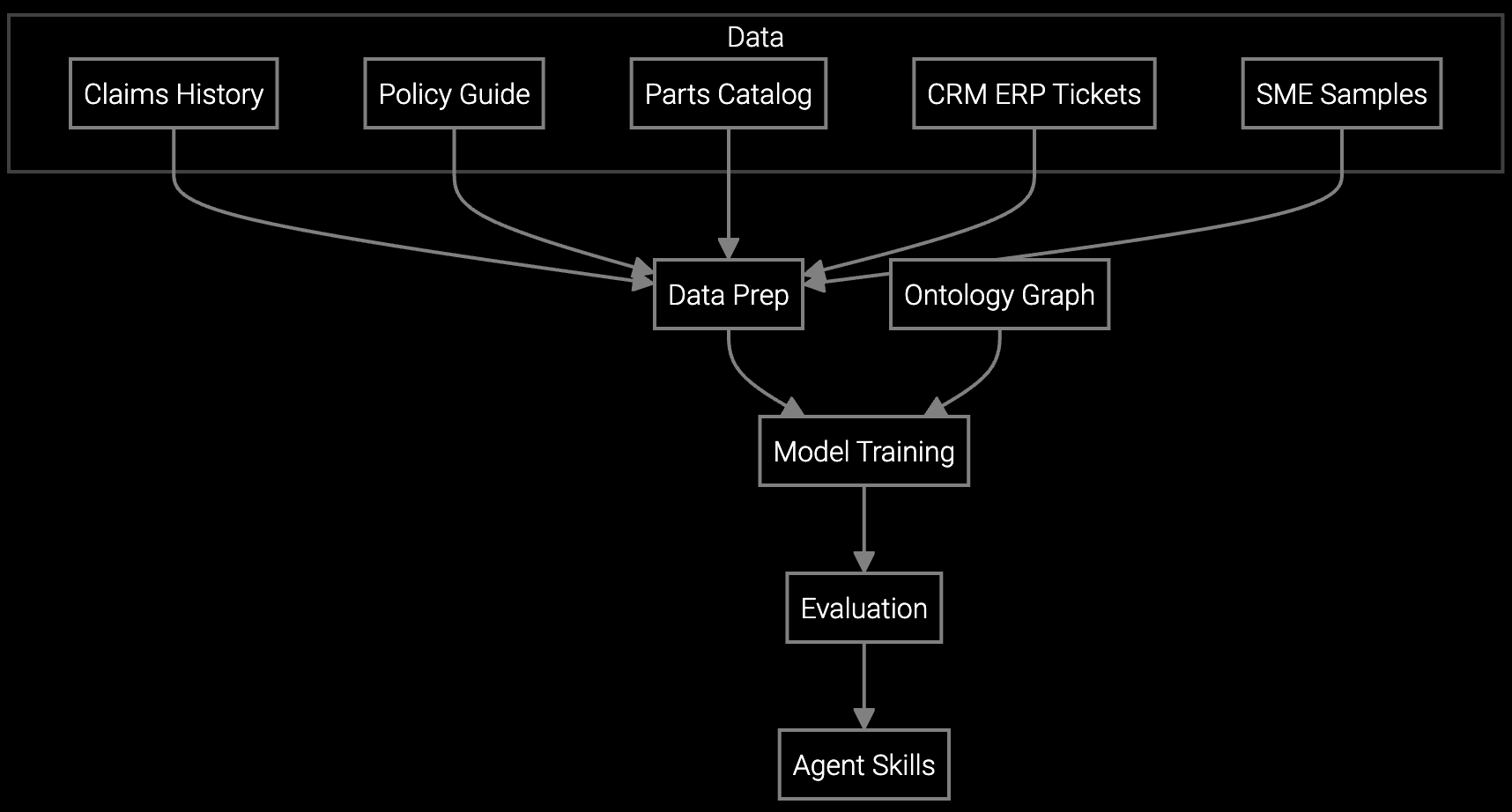
Automatically classifies appliance warranty claims by failure mode, validates entitlement against model specifications, and routes claims to appropriate refurbishment workflows—reducing manual coding time by 70%.
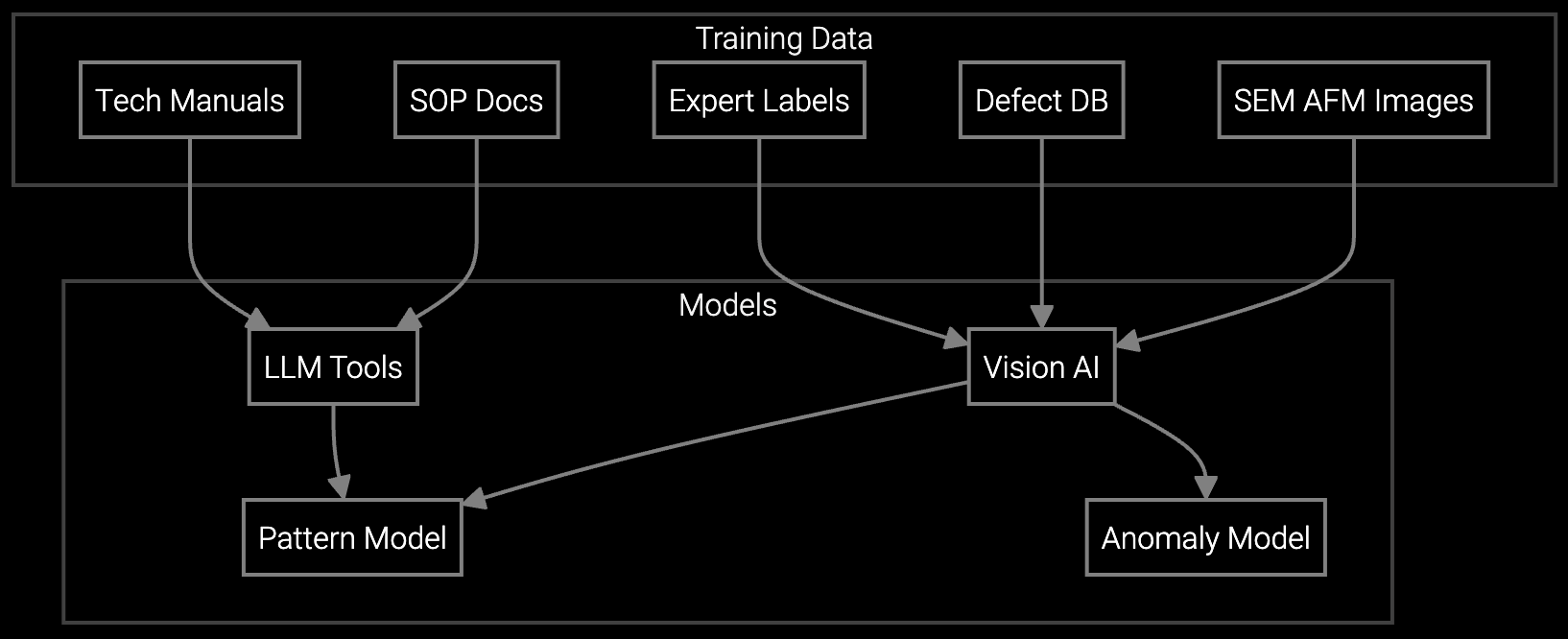
AI analyzes returned appliance components to identify manufacturing defects versus wear-and-tear damage, validating warranty coverage and informing supplier quality discussions with objective evidence.
Appliance manufacturers manage diverse product portfolios—from refrigerators and dishwashers to HVAC systems and water heaters—each with distinct failure modes and customer usage patterns. High NFF rates plague consumer appliances where user installation errors and misuse frequently trigger warranty claims that fail refurbishment inspection.
The platform learns product-specific diagnostic patterns by analyzing historical claims data, service bulletins, and refurbishment findings. For refrigerators, it distinguishes compressor failure from door seal issues or temperature control misuse. For dishwashers, it separates pump defects from drain blockages or detergent misuse. This model-level specificity prevents invalid returns before they incur logistics and refurbishment costs.
Installation errors, user misuse, cosmetic concerns misreported as defects, and insufficient diagnostic information at claim intake. Many customers describe symptoms vaguely or report normal operational characteristics as failures, leading to returns of functional equipment.
By filtering invalid claims before authorization, the platform reduces the volume of returns flowing into logistics and refurbishment. Lower NFF rates produce predictable warranty costs, enabling finance teams to reduce reserve percentages while maintaining coverage confidence.
Model specifications, historical failure patterns, service bulletin archives, refurbishment inspection results, and customer symptom descriptions. For connected appliances, operational telemetry data provides additional validation signals by confirming reported symptoms against actual equipment behavior.
Track NFF rate by product line before and after validation implementation, calculate cost savings from avoided return logistics and refurbishment, and monitor warranty cost as percentage of revenue. Most manufacturers see measurable improvement within 90 days of deployment.
Proper validation improves satisfaction by resolving legitimate claims faster and guiding customers toward correct solutions for non-defect issues. When the platform identifies user error, it can trigger targeted support content rather than forcing customers through unnecessary return processes.
Software stocks lost nearly $1 trillion in value despite strong quarters. AI represents a paradigm shift, not an incremental software improvement.
Function-scoped AI improves local efficiency but workflow-native AI changes cost-to-serve. The P&L impact lives in the workflow itself.
Five key shifts from deploying nearly 100 enterprise AI workflow solutions and the GTM changes required to win in 2026.
See how Bruviti validates warranty claims before authorization to protect margin and accelerate legitimate returns.
Schedule Demo