
Every functional unit returned costs your operation twice—once in processing, again in lost margin.
AI warranty management can reduce warranty costs by approximately 15% and cut the cost of nonquality by roughly 30%, per McKinsey and industry benchmarks. For industrial OEMs, the lever against No Fault Found returns is pinpointing real failures: 65% faster detection in under 10 minutes, per Bruviti deployment data.
NFF returns consume warranty reserves without fixing customer problems. Processing costs stack—logistics, testing, restocking—while the original issue persists in the field.
Testing labs waste time diagnosing functional equipment. Each NFF unit delays genuine repairs, extending turnaround time for legitimate warranty work.
Without systematic NFF detection, finance teams lack visibility into true failure rates. Warranty reserves become guesswork, impacting quarterly guidance.
Bruviti validates warranty claims against comprehensive equipment history before authorizing returns. The platform ingests telemetry from PLCs, SCADA systems, and IoT sensors, cross-referencing claimed failures with actual operating data. When a claim describes bearing failure but vibration data shows normal operation, the system flags the discrepancy.
The AI correlates service records, parts history, and environmental conditions to predict whether returned equipment will test functional. This pre-validation prevents NFF units from entering the reverse supply chain, reducing processing costs while improving diagnostic accuracy for legitimate failures. The system learns from refurbishment outcomes, continuously refining its fraud detection and misdiagnosis patterns.
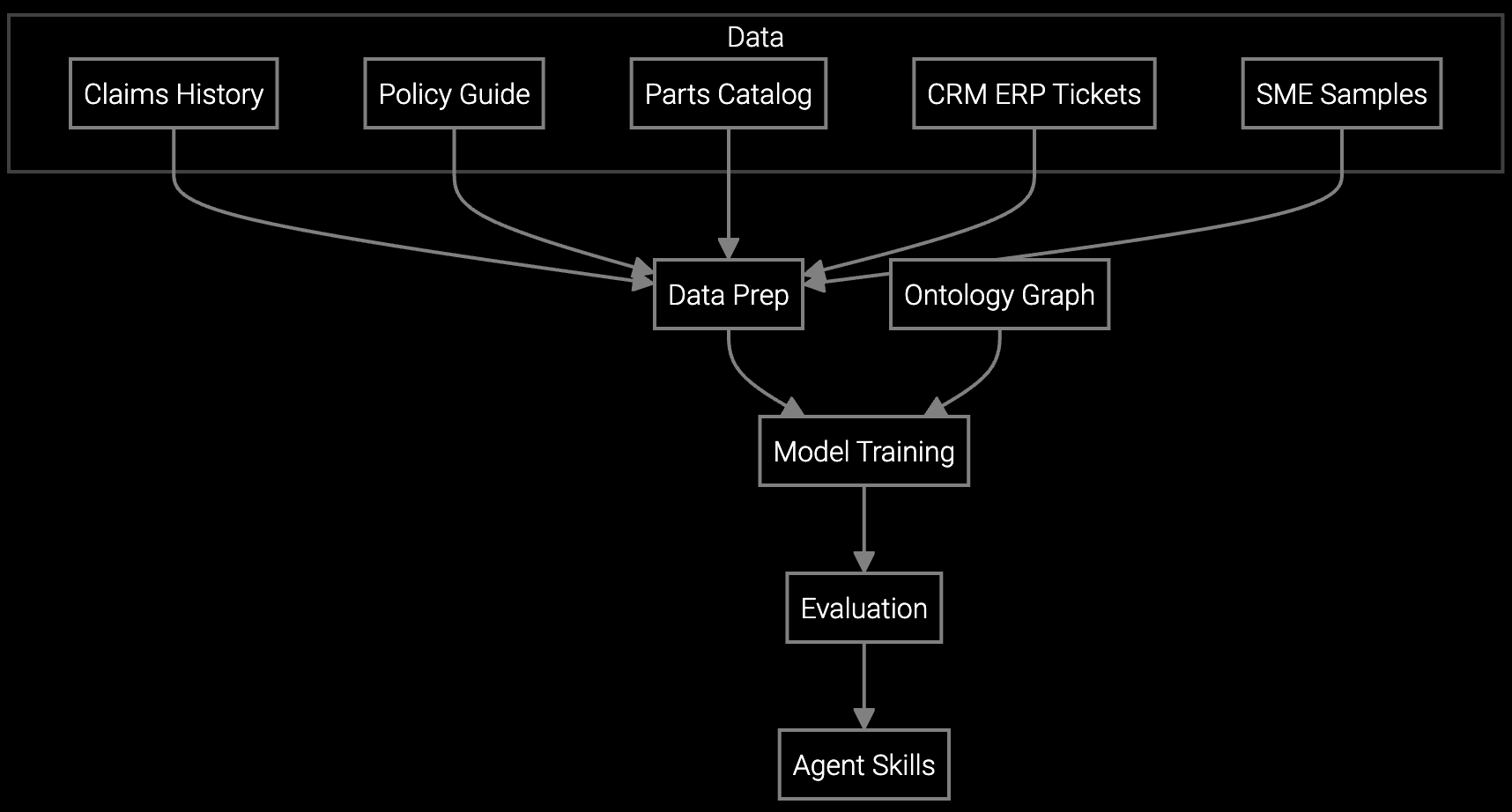
Automatically classifies and codes warranty claims for industrial machinery, reducing manual review time while standardizing failure categorization across product lines.
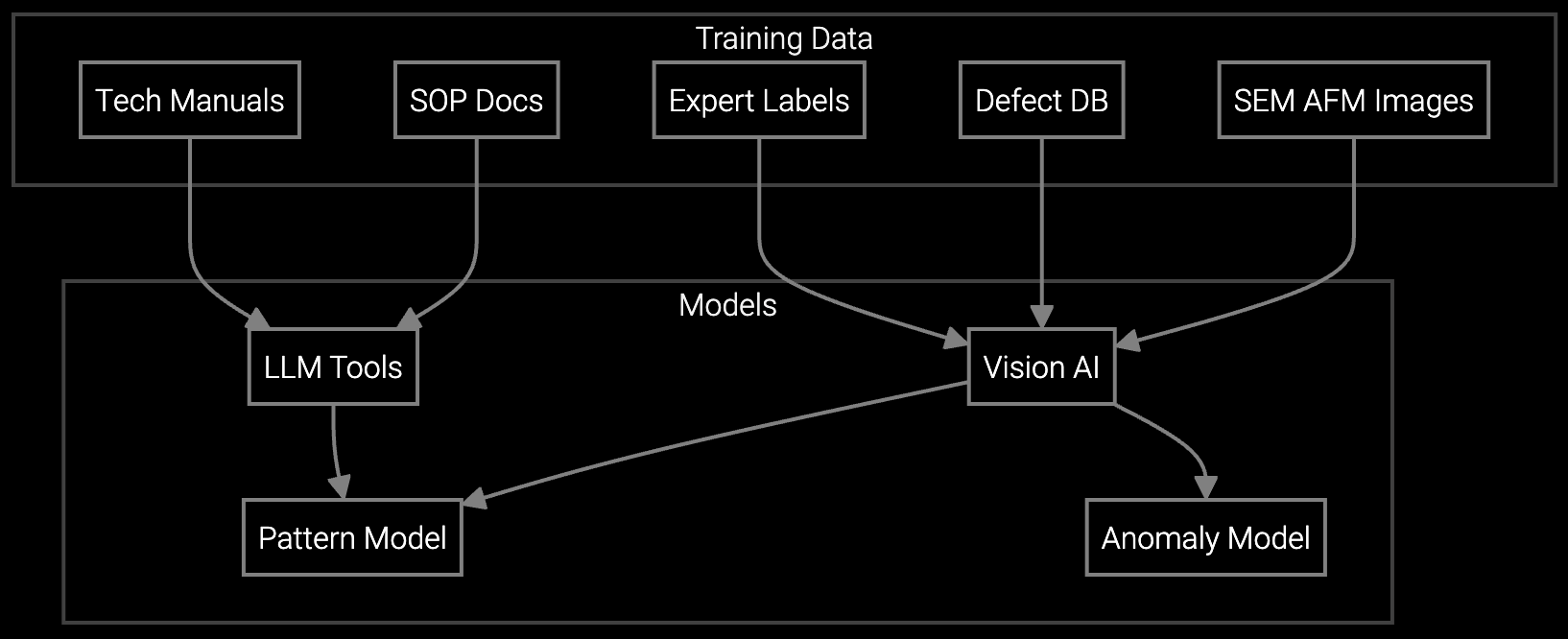
AI analyzes microscopic images from returned components to identify manufacturing defects, validate warranty claims, and trace defect sources to specific production batches.
Industrial machinery operates for decades under varying conditions. A CNC machine installed in 2005 generates different telemetry than current models, yet both require warranty support. Pumps running 24/7 in chemical plants accumulate wear patterns distinct from intermittent-use compressors. Without equipment-specific baselines, determining whether a returned turbine is genuinely faulty or victim of poor maintenance becomes expensive guesswork.
Long service obligations compound the challenge. Parts obsolescence forces substitutions, undocumented field modifications alter performance signatures, and original documentation gaps make failure diagnosis unreliable. The platform accounts for these variables, building failure models that adapt to equipment age, usage intensity, and maintenance history rather than assuming uniform behavior across an installed base.
Poor initial diagnostics, inadequate customer training, and intermittent failures that don't reproduce in testing. When customers lack access to equipment operating history, they guess at root causes. Environmental factors like voltage fluctuations or contamination may trigger symptoms that vanish once the unit is removed from service.
The platform flags claims with low failure probability for human review rather than automatic rejection. It presents evidence—telemetry showing normal operation, absence of error logs, similar claims that tested functional—allowing warranty teams to make informed decisions. The system escalates ambiguous cases and learns from overrides to reduce false positives.
Equipment telemetry from PLCs, SCADA, or IoT sensors; service history including maintenance records and parts replacements; warranty claim text describing the failure; and refurbishment test outcomes. The platform correlates these sources to identify patterns distinguishing genuine failures from functional returns.
Yes. For non-connected equipment, the platform analyzes claim text against service history and parts failure patterns. It identifies claims inconsistent with typical failure modes—like reported bearing failure on recently replaced bearings—and flags them for verification before authorizing returns.
Most industrial manufacturers observe 20-30% NFF reduction within the first quarter as the AI flags obvious misdiagnoses. Improvement accelerates to 40-60% by month six as the system learns refurbishment patterns and refines its validation rules. Results vary by equipment complexity and data quality.
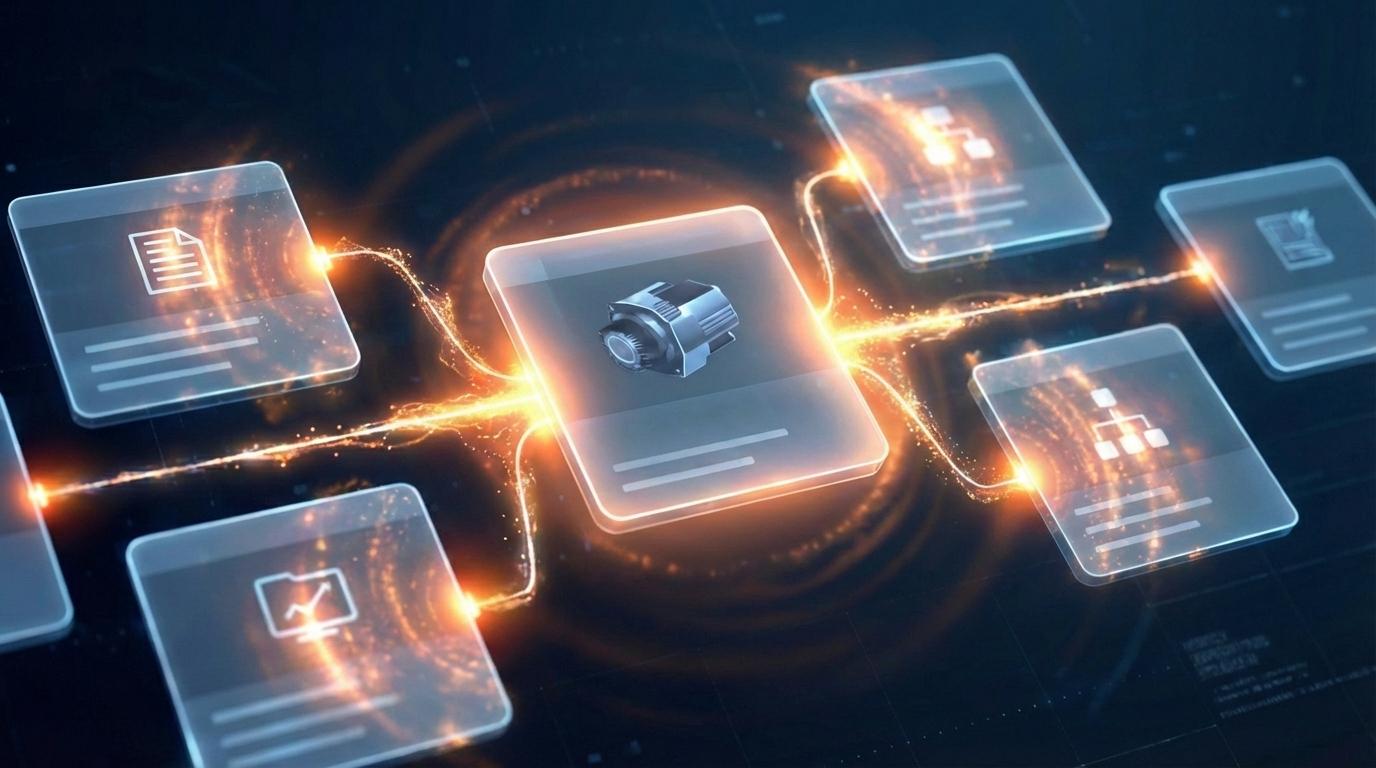
Software stocks lost nearly $1 trillion in value despite strong quarters. AI represents a paradigm shift, not an incremental software improvement.
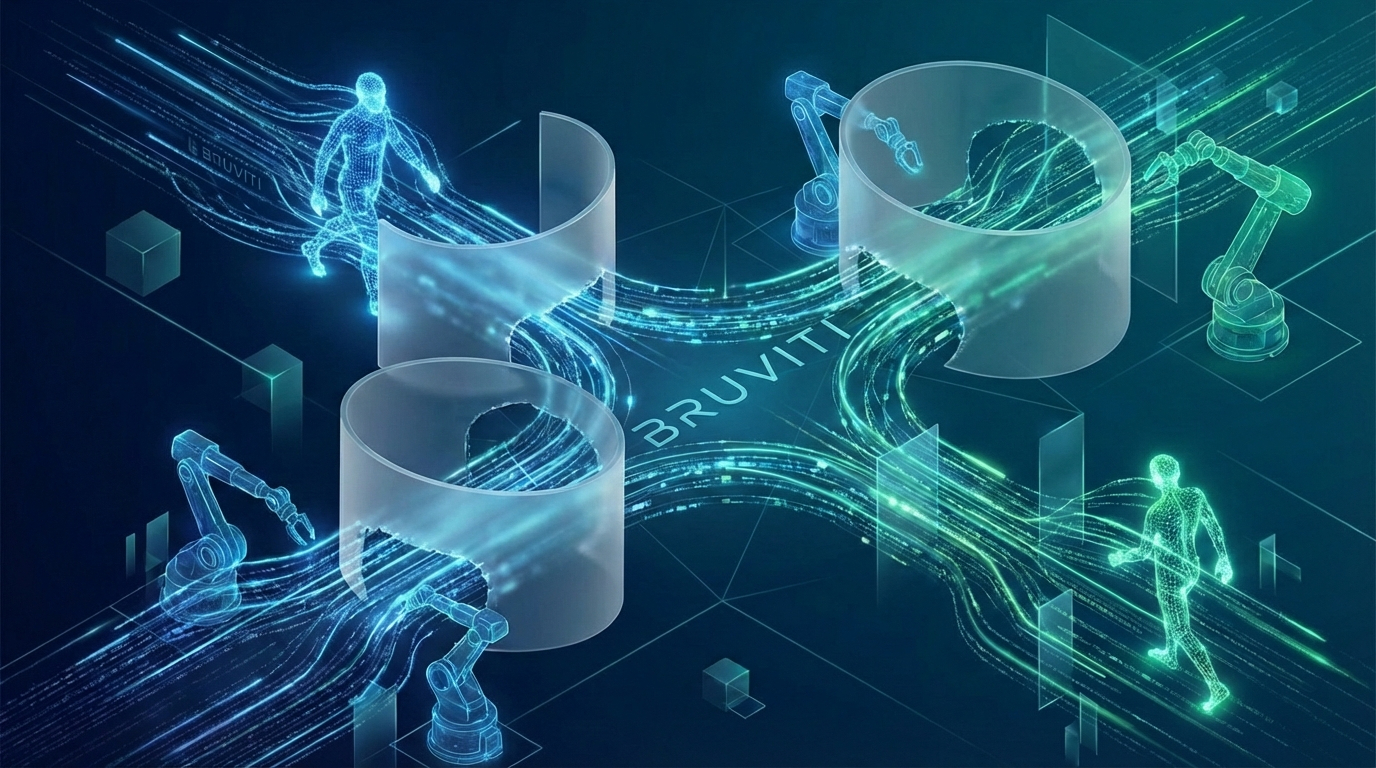
Function-scoped AI improves local efficiency but workflow-native AI changes cost-to-serve. The P&L impact lives in the workflow itself.
Five key shifts from deploying nearly 100 enterprise AI workflow solutions and the GTM changes required to win in 2026.
See how AI-validated claims can cut warranty costs and free refurbishment capacity for genuine repairs.
Schedule Executive Briefing