
NFF returns drain warranty reserves and mask real failure patterns—network OEMs need diagnostic precision now.
AI warranty-claims automation auto-codes 75-85% of network equipment warranty claims at 95% consistency, per Bruviti deployment data, surfacing NFF patterns that manual coding misses at 8-12 minutes per claim. Executives gain consistent defect classification across the install base, so recurring no-fault-found returns get flagged, root-caused, and cut instead of silently reprocessed.
NFF returns inflate warranty costs without revealing true failure modes. Network OEMs face unpredictable accruals as routers and switches return with intermittent issues that testing can't reproduce.
Manual warranty lookups slow RMA approval as claims processors navigate end-of-life policies and multi-tier support contracts. Each delay extends customer downtime and erodes satisfaction.
Resellers and customers exploit warranty gaps by submitting out-of-warranty equipment or misrepresenting failure conditions. Without systematic detection, invalid claims bleed margin.
Bruviti's platform ingests SNMP traps, syslog data, and device telemetry to distinguish configuration errors from hardware failures before RMA approval. The AI cross-references entitlement databases, firmware version histories, and known defect patterns to validate each claim against actual failure signatures.
This approach eliminates the diagnostic guesswork that drives NFF rates. When a claim enters the workflow, the platform analyzes the device's operational context—error logs, traffic patterns, environmental factors—and determines whether the issue stems from legitimate hardware degradation or resolvable configuration drift. Only validated failures receive RMA authorization, protecting warranty reserves while accelerating legitimate replacements.
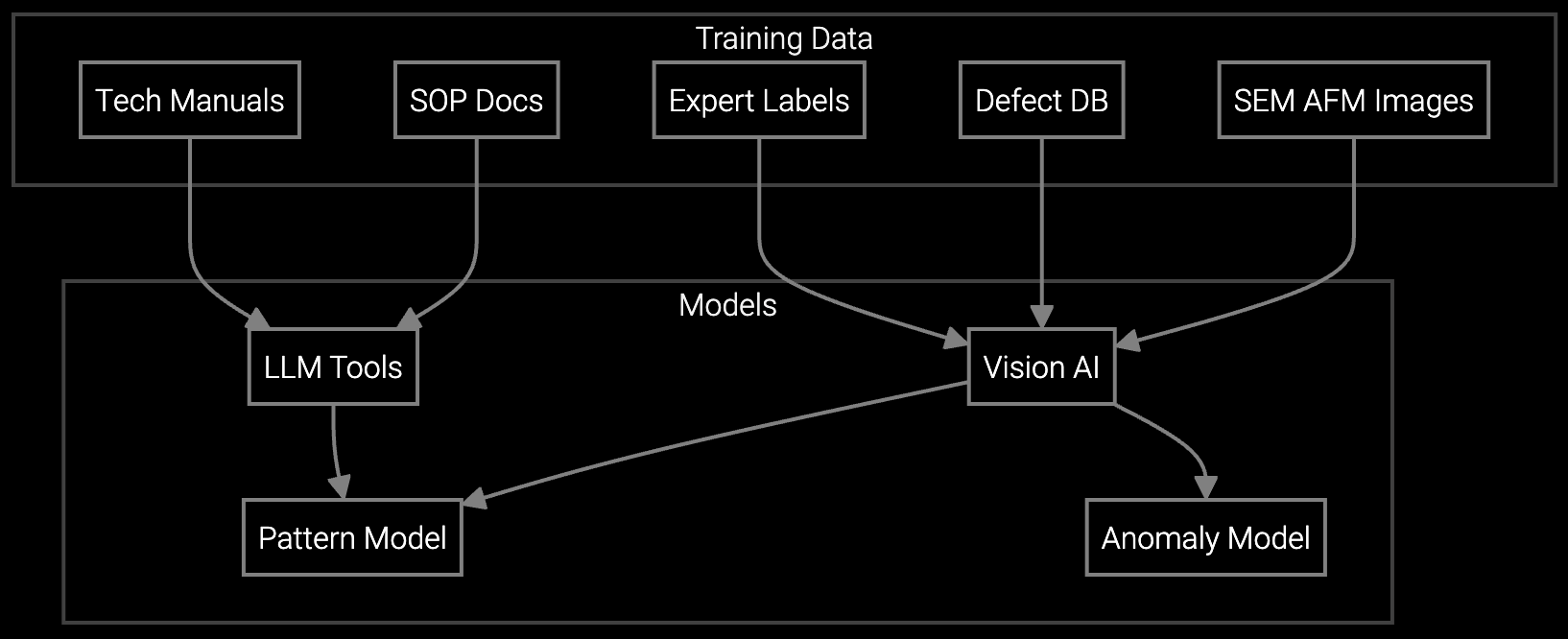
AI analyzes microscopic images of returned network components to identify solder joint failures, corrosion patterns, and manufacturing defects—validating warranty claims with objective evidence.
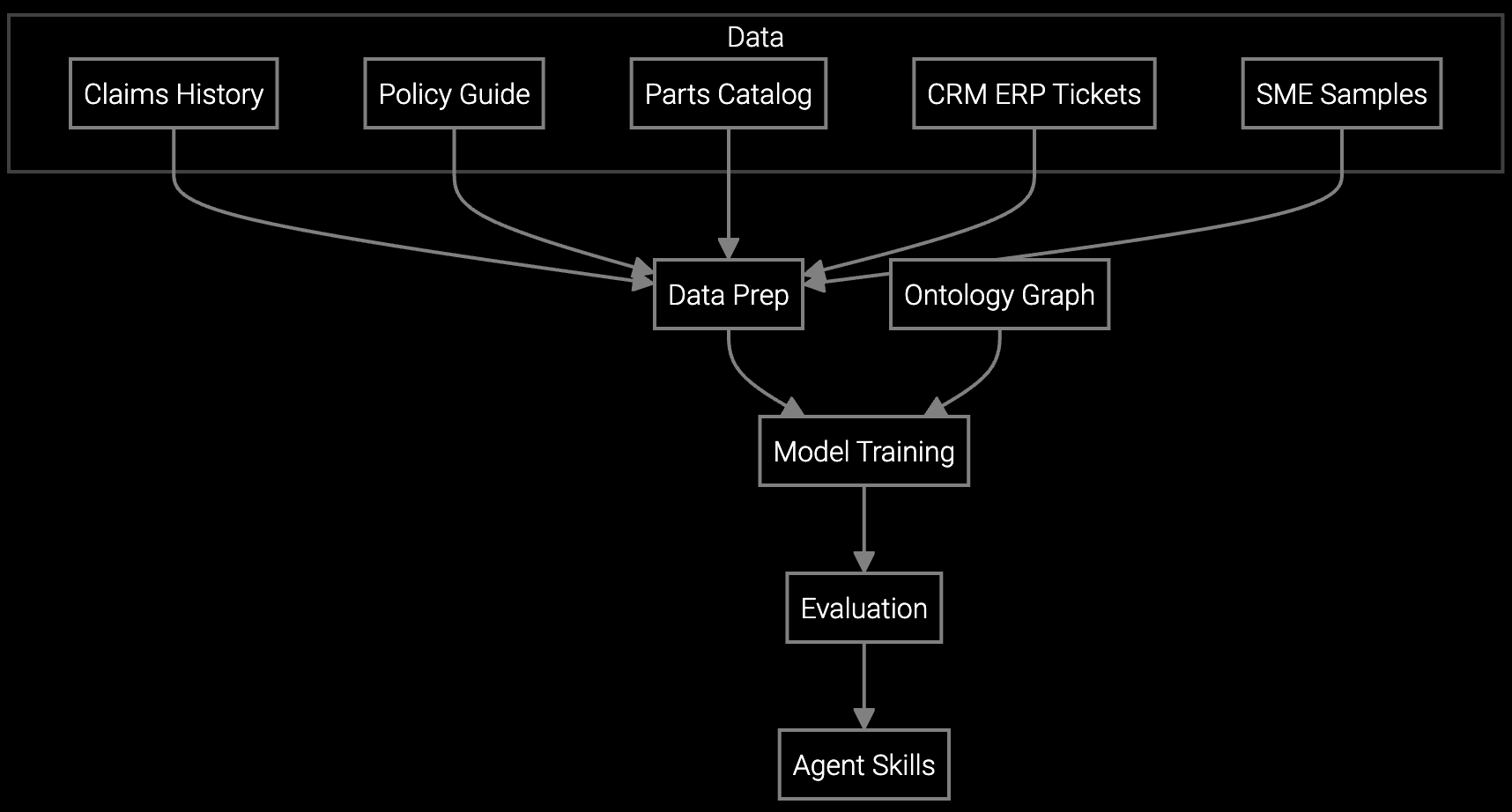
Automatically classifies network equipment claims by failure mode, entitlement tier, and replacement priority—eliminating manual coding errors that delay processing and inflate costs.
Network equipment operates in diverse environments where firmware interactions, power quality, and thermal stress create intermittent failures that testing labs can't replicate. A router that exhibits packet loss under specific traffic loads may test clean in controlled conditions, driving up NFF rates while real reliability issues go unaddressed.
OEMs face additional complexity from multi-vendor interoperability and firmware update cycles. A claim attributed to hardware failure often traces to configuration drift or software bugs—but without operational context, refurbishment teams process unnecessary returns. The result: inflated warranty reserves, masked defect patterns, and customer frustration from prolonged RMA cycles.
NFF returns typically result from three factors: configuration errors misidentified as hardware failures, intermittent issues that don't reproduce in test environments, and diagnostic gaps where operational context isn't captured during troubleshooting. Firmware complexity and multi-vendor interoperability compound these challenges in network infrastructure.
The platform analyzes device telemetry patterns against known failure signatures. If error logs show symptoms consistent with firmware bugs or configuration drift—rather than component degradation—the AI flags the claim for remote remediation instead of RMA approval. This contextual analysis prevents unnecessary returns.
The platform ingests syslog streams, SNMP trap data, entitlement databases, firmware version histories, and known defect patterns. For network equipment, device telemetry and error logs provide the operational context needed to validate claims before authorizing returns.
OEMs typically observe measurable NFF reduction within 60-90 days as the AI builds failure signature libraries specific to their product lines. Early wins come from identifying common configuration errors and firmware-related issues that previously triggered unnecessary RMA approvals.
No policy changes are required. Bruviti enforces your existing warranty terms with greater precision by validating claims against entitlement rules, EOL dates, and failure mode criteria. The platform improves accuracy within current policy frameworks rather than creating new approval processes.
Software stocks lost nearly $1 trillion in value despite strong quarters. AI represents a paradigm shift, not an incremental software improvement.
Function-scoped AI improves local efficiency but workflow-native AI changes cost-to-serve. The P&L impact lives in the workflow itself.
Five key shifts from deploying nearly 100 enterprise AI workflow solutions and the GTM changes required to win in 2026.
See how Bruviti reduces NFF rates and prevents fraudulent claims in network equipment.
Schedule Executive Briefing