
Automate Appliance Warranty Claims: 75-85% Auto-Coded in Under 1 Minute
NFF returns drain margin faster than warranty reserves can adapt—custom integrations let you catch invalid claims before they hit your books.
In Brief
AI warranty-claims automation auto-codes 75-85% of appliance warranty claims at 95% consistency in under 1 minute per claim, per Bruviti deployment data. Build an intake-to-coding pipeline that maps free-text claims to standardized fault and labor codes, then routes the 15-25% needing human judgment, cutting manual handling from 8-12 minutes to seconds.
Implementation Challenges
Legacy System Fragmentation
Warranty entitlement data scattered across ERP, CRM, and service platforms. Building a unified claims validation layer requires connecting to systems that weren't designed to talk to each other.
Black Box Fraud Models
Off-the-shelf warranty platforms offer fraud detection you can't retrain or customize. When your refrigerator returns spike during a heat wave, you need to adjust detection logic—not wait for a vendor update.
Vendor Lock-In Risk
Proprietary warranty platforms trap your claims data and business logic inside closed ecosystems. Switching costs escalate when your validation rules and refurbishment workflows can't migrate.
Headless Warranty Architecture
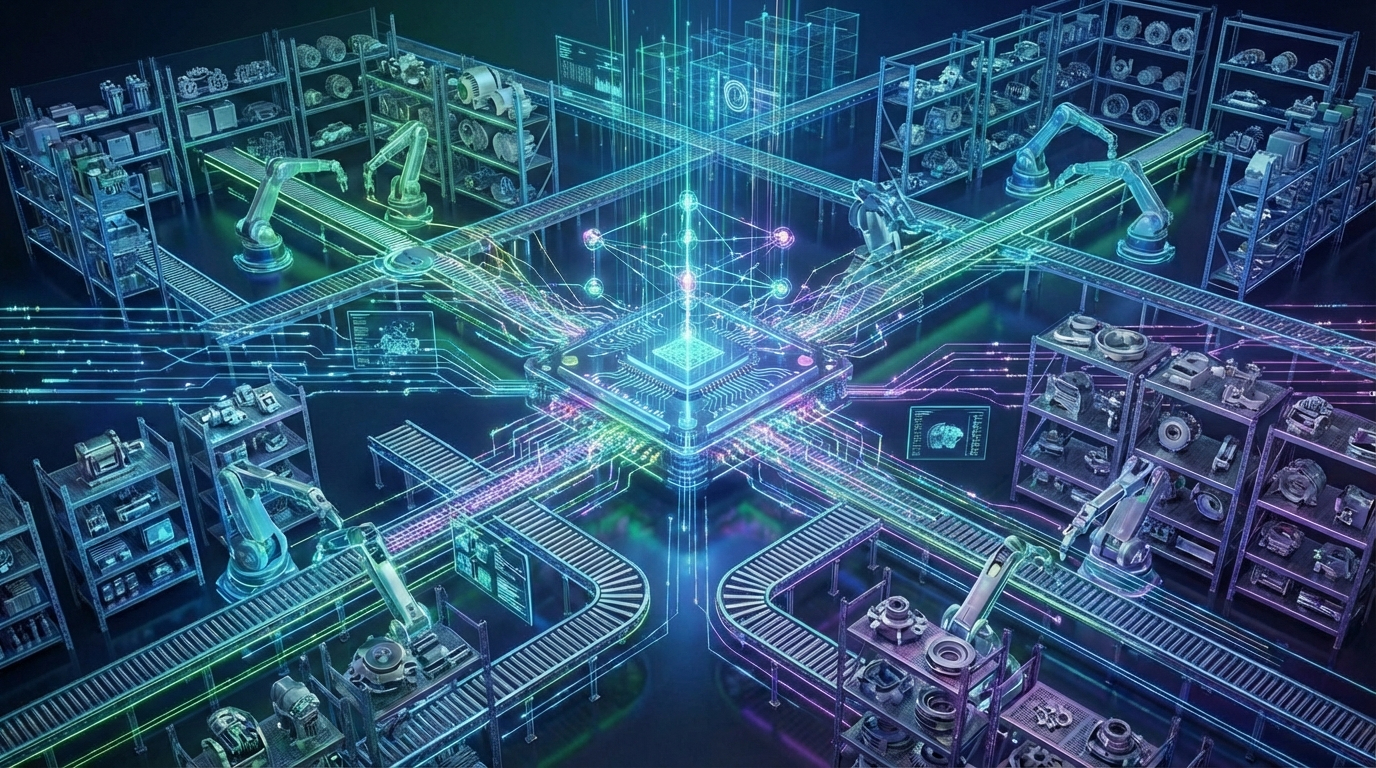
Bruviti's API-first design lets you build warranty validation and claims processing on top of your existing infrastructure. Python and TypeScript SDKs connect to ERP systems, service databases, and parts catalogs without forcing data into a proprietary schema. You own the integration code, the business logic, and the data transformations.
The platform exposes endpoints for entitlement verification, fraud scoring, and NFF prediction—each returning structured JSON you can route, log, or transform in your own application layer. Train custom fraud detection models using your historical claims data, then deploy them via API without waiting for vendor releases. When a new product line launches or a seasonal failure pattern emerges, you update the rules directly.
Developer Benefits
- +
Deploy fraud detection updates in hours, not quarters—train models on your claims data and push via API.
- +
Reduce warranty reserve volatility by 30%—catch invalid claims before entitlement decisions lock in.
- +
Eliminate platform migration risk—extract your logic as code and redeploy on any infrastructure.
See It In Action
Defect Detection from SEM/AFM Images
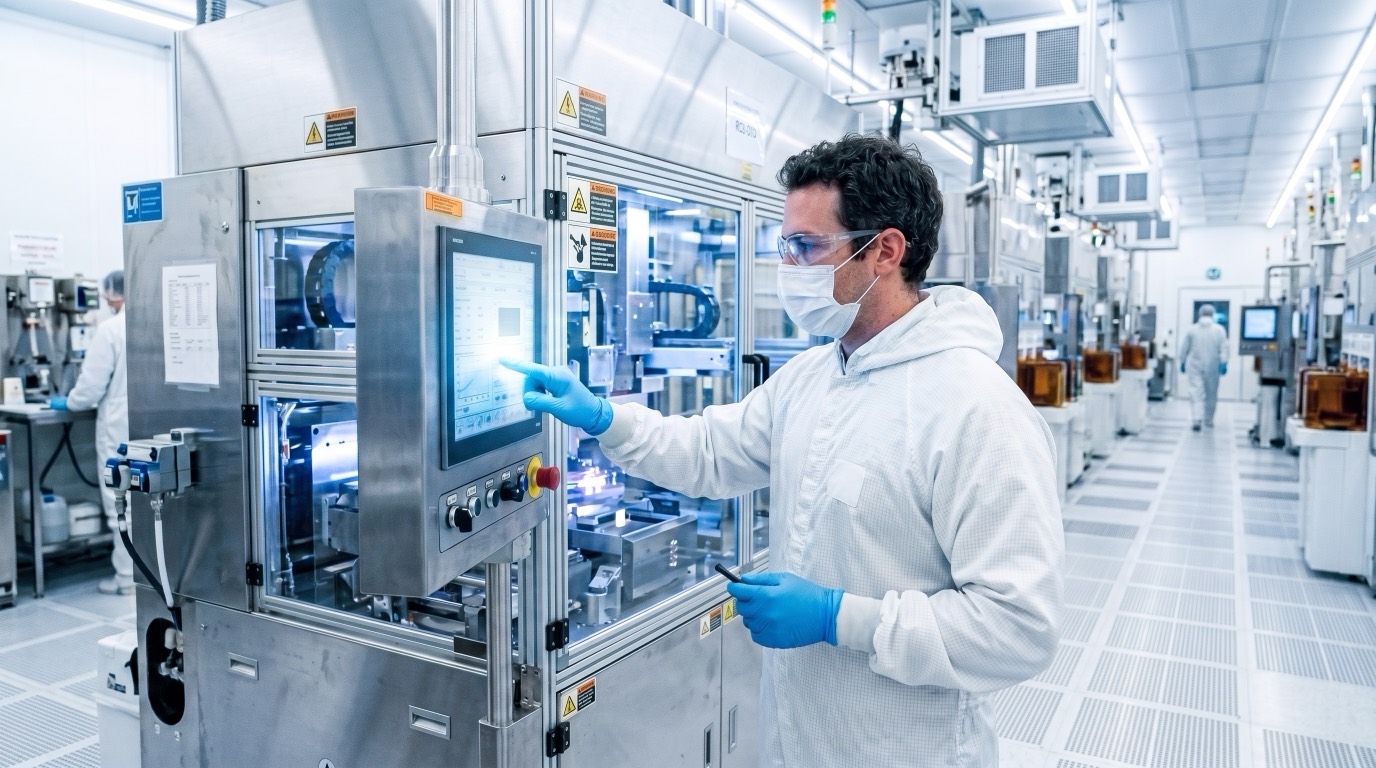
Build custom image analysis pipelines for compressor housing failures or heat exchanger defects. API accepts microscopy images and returns defect classification to validate warranty entitlement.
Warranty Claims Coding
Automate claim categorization for HVAC systems and major appliances. Train models to distinguish component failures from installation errors, then route claims to the correct refurbishment queue.
Appliance Warranty Integration
High-Volume Claims Architecture
Appliance manufacturers process thousands of warranty claims weekly across product lines with 10-15 year lifespans. Your integration must validate entitlement against decades of model/serial data while distinguishing legitimate compressor failures from user-caused damage. The API layer sits between your service intake channels and the warranty reserve calculation—catching NFF returns before they inflate accruals.
Connect the platform to your parts catalog to cross-reference claimed failures against known component lifespans. When a customer reports a 3-year-old refrigerator compressor failure, the API checks historical failure rates for that model year, flags anomalies, and surfaces similar claims for fraud review. Your developers control the decision thresholds and escalation rules.
Implementation Path
- +
Start with refrigeration claims—highest NFF rate and clearest fraud signals from compressor/sealed system data.
- +
Integrate serial number lookup from ERP and failure mode data from service to validate entitlement in real-time.
- +
Track NFF rate reduction and warranty reserve accuracy over 90 days to quantify margin protection.