Manual log analysis and escalation handoffs cost hours per incident when seasonal HVAC demand spikes.
Automated remote support workflows reduce call-center interactions by 20%, per Bruviti deployment data. Operators move routine appliance faults to AI-guided self-resolution earlier on the issue-resolution curve, so the queue clears faster and agents spend their time on the cases that genuinely need a human.
Support engineers spend hours parsing error logs from refrigeration controllers, HVAC sensors, and connected appliances. Each diagnostic session requires cross-referencing multiple systems to identify root cause.
Solutions discovered during remote sessions remain trapped in individual engineers' notes. New team members lack access to proven diagnostic workflows for seasonal HVAC failures or commercial kitchen equipment issues.
When remote resolution fails, engineers manually document findings before escalating. Context gets lost in handoffs, forcing downstream teams to repeat diagnostic steps and delaying customer resolution.
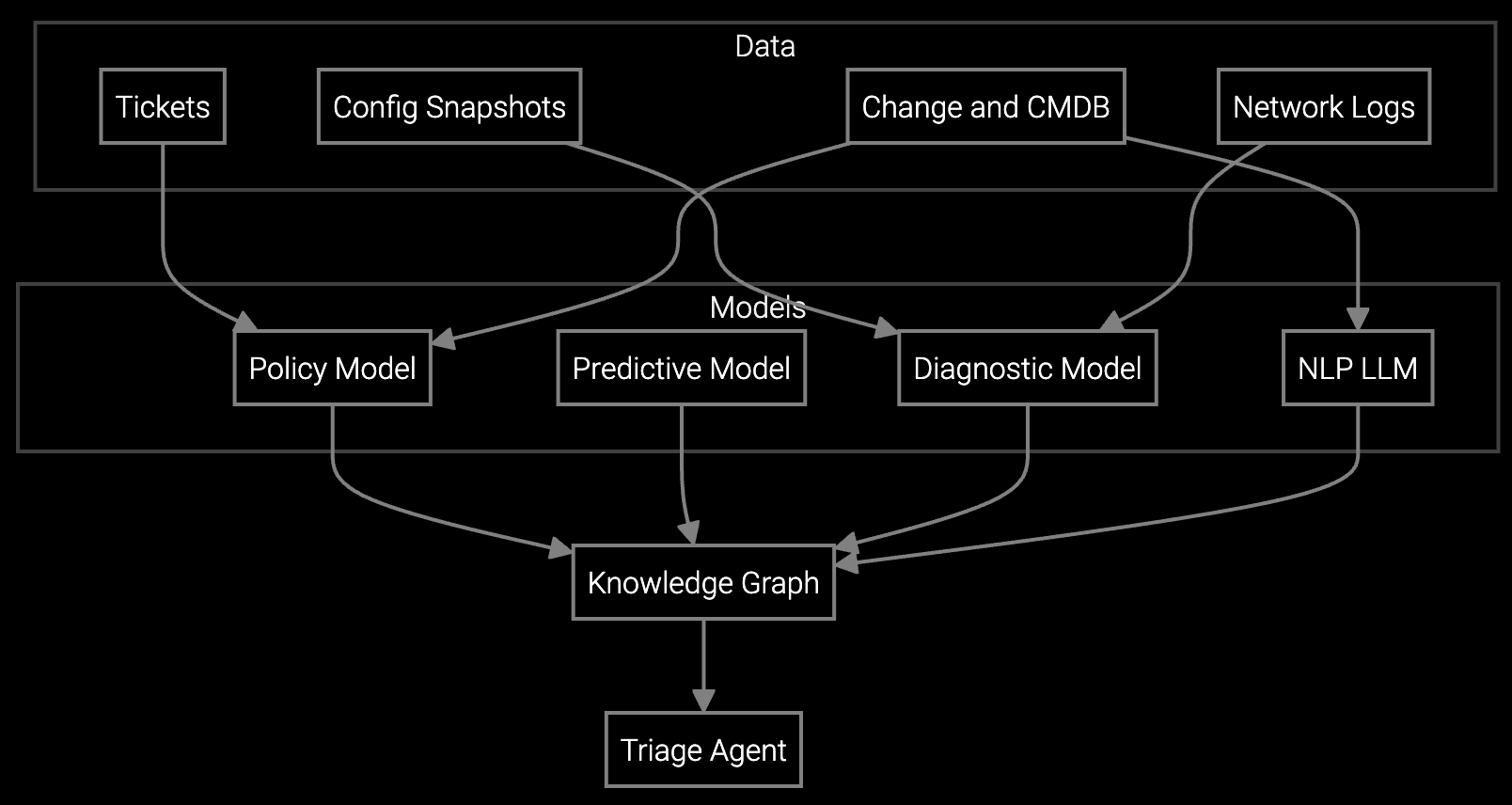
Bruviti automates the entire remote diagnostic workflow from telemetry ingestion to resolution recommendation. When a connected appliance reports an error, the platform automatically analyzes log patterns, correlates sensor data from refrigeration systems or HVAC controllers, and identifies root cause without manual intervention.
Support engineers receive a complete resolution case—problem summary, diagnostic findings, recommended actions, and auto-generated case notes—ready for validation. The platform captures successful resolutions and converts them into reusable guided troubleshooting workflows, eliminating knowledge silos. Escalations include full diagnostic context, eliminating redundant investigation.
Appliance manufacturers face unique remote support challenges during seasonal demand peaks. HVAC failures spike during heat waves, requiring rapid remote diagnosis of compressor telemetry, refrigerant sensors, and thermostat connectivity. Commercial kitchen equipment failures—walk-in coolers, ice machines, commercial ovens—demand immediate remote resolution to prevent food safety issues and business interruption.
Automated workflows analyze telemetry from connected appliances in real-time, correlating error codes with historical failure patterns. Support engineers validate AI-generated resolution recommendations rather than manually parsing controller logs. This eliminates swivel-chair workflow between remote access tools, parts lookup systems, and case management platforms—delivering single-pane-of-glass efficiency during high-volume periods.
HVAC sensor data, refrigeration controller logs, connected thermostat error codes, commercial kitchen equipment telemetry, and water treatment system diagnostics. The platform correlates multi-source data streams to identify root cause automatically.
AI analyzes telemetry in real-time before the support engineer joins the session, presenting a complete diagnostic summary and recommended actions. Engineers validate findings instead of manually parsing logs, eliminating 30-40 minutes of investigation time per incident.
The platform auto-generates a complete escalation package including diagnostic findings, attempted resolutions, and appliance configuration context. Downstream teams receive full context without repeating diagnostic steps, reducing escalation handoff delays by 50%.
When a support engineer validates a resolution, the platform automatically converts the diagnostic steps and recommended actions into a guided troubleshooting workflow. Future incidents matching similar telemetry patterns surface the proven resolution path immediately.
Yes. Automated diagnostics scale instantly during heat waves or cold snaps when HVAC incident volume surges. Support engineers handle higher case volumes by validating AI-generated resolutions rather than performing manual log analysis for each incident.
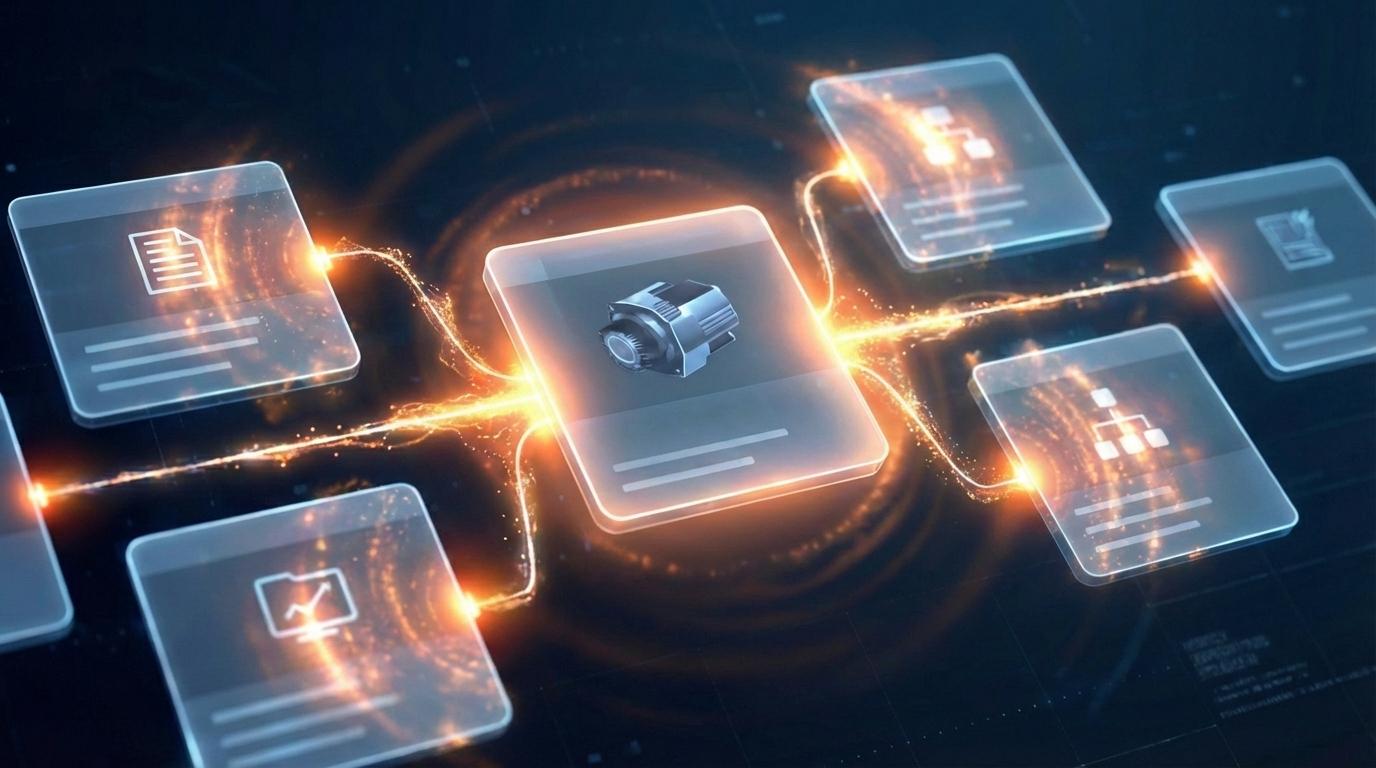
Software stocks lost nearly $1 trillion in value despite strong quarters. AI represents a paradigm shift, not an incremental software improvement.
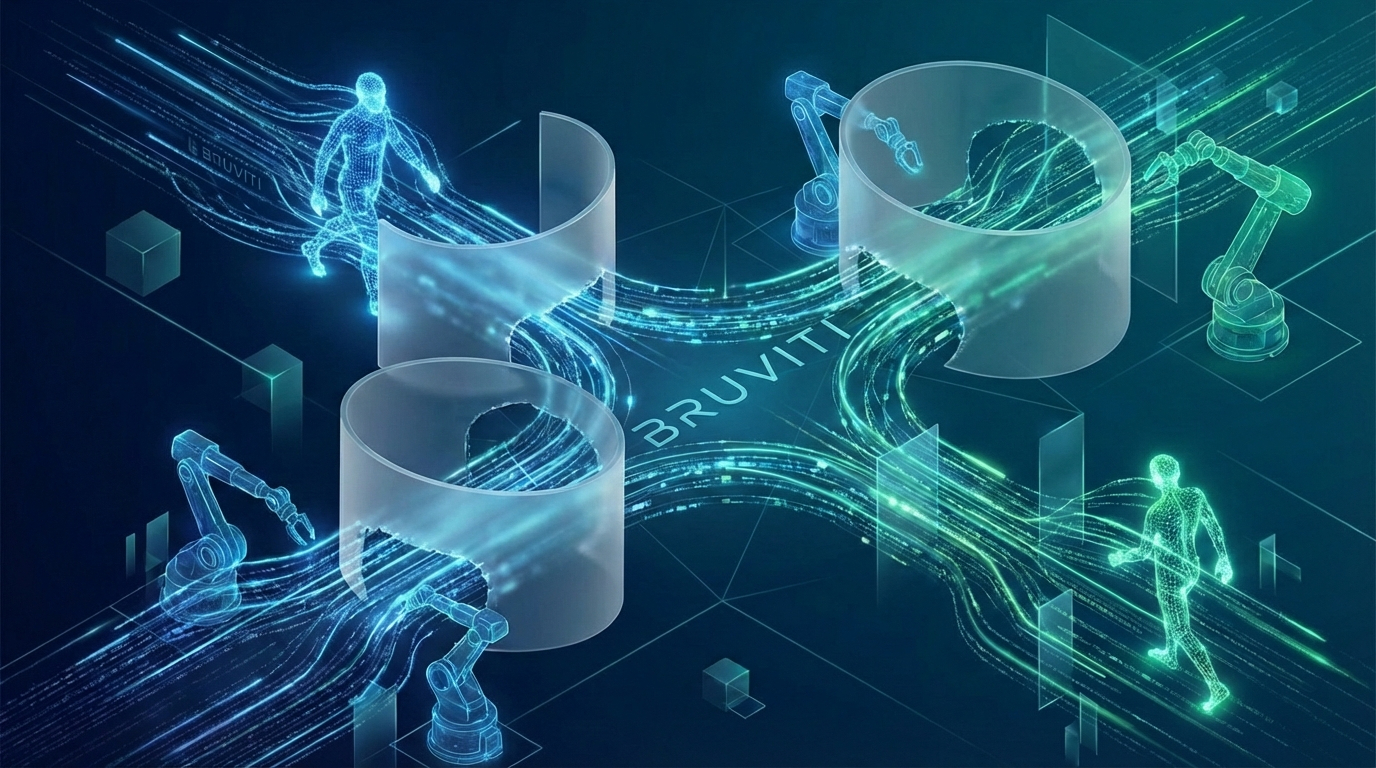
Function-scoped AI improves local efficiency but workflow-native AI changes cost-to-serve. The P&L impact lives in the workflow itself.
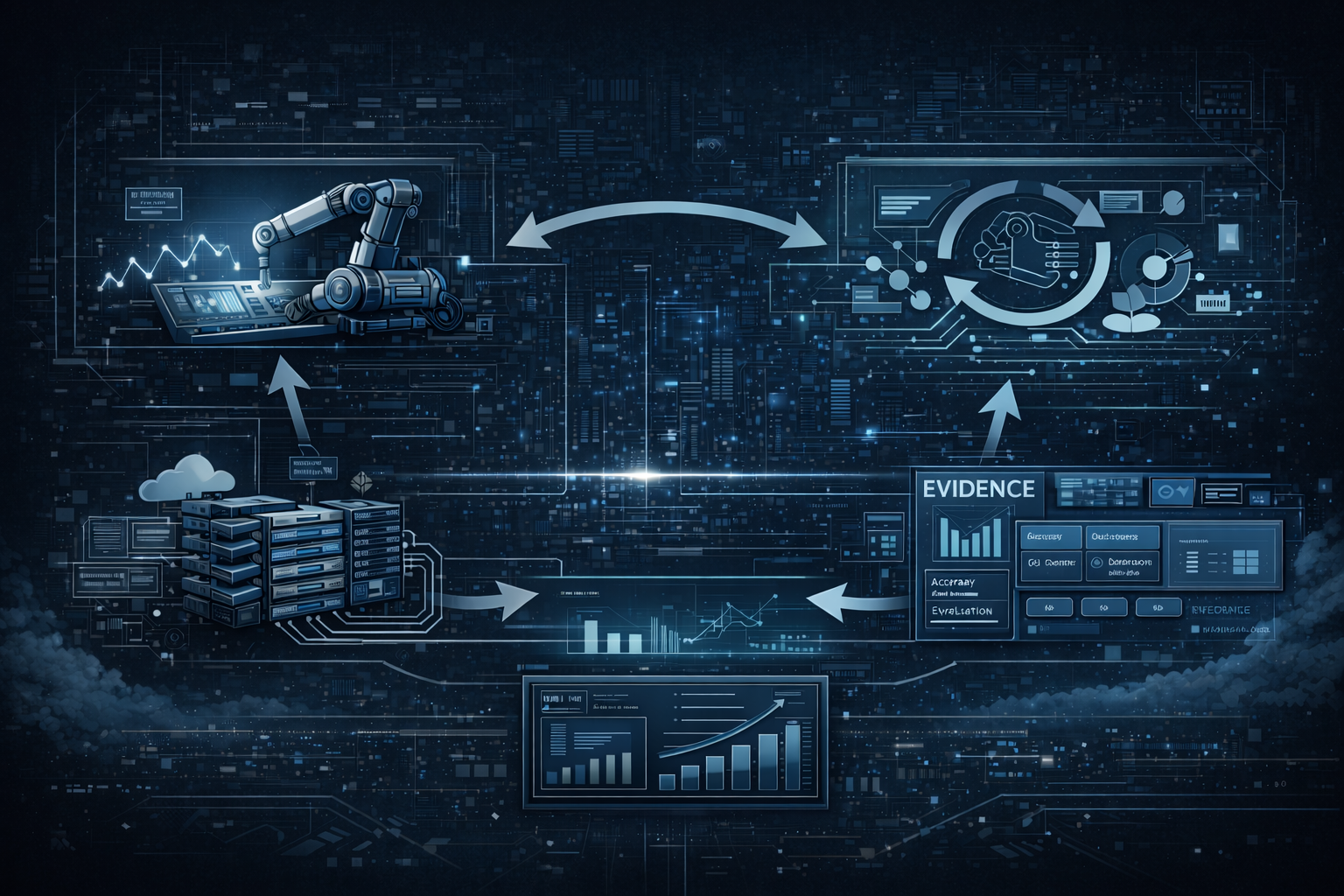
Five key shifts from deploying nearly 100 enterprise AI workflow solutions and the GTM changes required to win in 2026.
Watch how support engineers validate AI-generated resolutions instead of manually parsing appliance telemetry.
Schedule Demo