
Every stockout delays a service call. Every excess part ties up cash. Appliance service operates on thin margins where inventory waste directly cuts profitability.
Bruviti deployment data shows planning cycle time running 80% faster after the AI layer is added to service parts planning. Appliance service teams compress a multi-day replan into a same-day task, freeing planner hours and letting inventory respond to demand shifts in time to keep fast-moving parts on the shelf.
Overstocking seasonal parts like HVAC compressors and refrigeration components to avoid stockouts ties up capital. Most appliance service operations carry 30-45 days of inventory when 15-20 days would suffice with better forecasting.
Stockouts force overnight shipping for critical parts like control boards and motors. Each emergency order costs $45-85 more than standard ground shipping, and seasonal spikes multiply these expenses.
Checking stock levels across multiple locations, updating spreadsheets, and coordinating restocking consumes 12-15 hours weekly. This swivel-chair work prevents focusing on resolving service bottlenecks.
The platform analyzes historical service patterns, seasonal demand curves, and installed base data to forecast parts consumption at the location level. It automatically suggests reorder quantities and timing, eliminating manual spreadsheet reconciliation. For appliance manufacturers managing refrigerator compressors, dishwasher pumps, and HVAC components across dozens of service centers, this prevents both costly stockouts and excess inventory accumulation.
Automated substitute parts matching surfaces compatible alternatives when preferred parts are unavailable. The system monitors inventory levels in real time and alerts operators when replenishment is needed, reducing emergency shipping. Integration with existing ERP systems means no duplicate data entry—the platform becomes a single pane of glass for parts visibility across all warehouse locations.
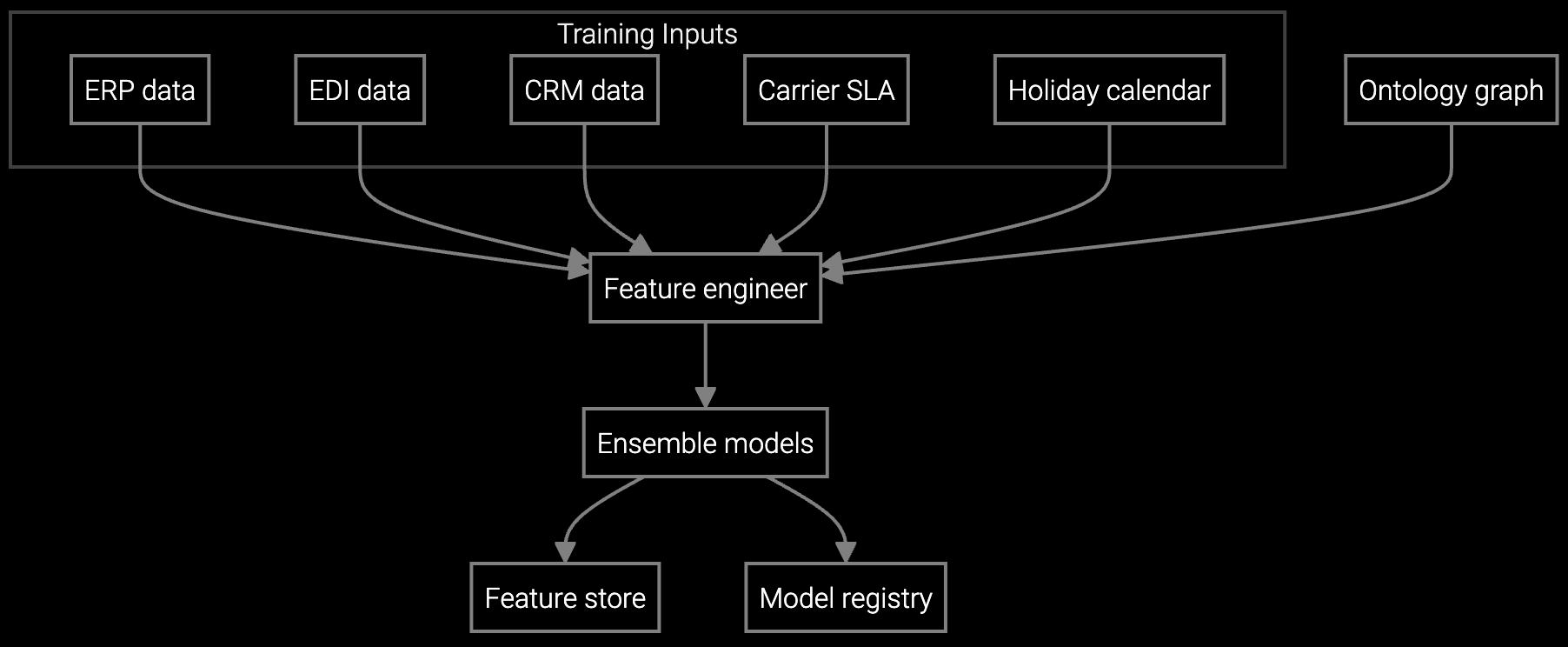
Forecast demand for seasonal HVAC parts and refrigeration components by service center location, preventing both stockouts during summer spikes and excess inventory during off-seasons.
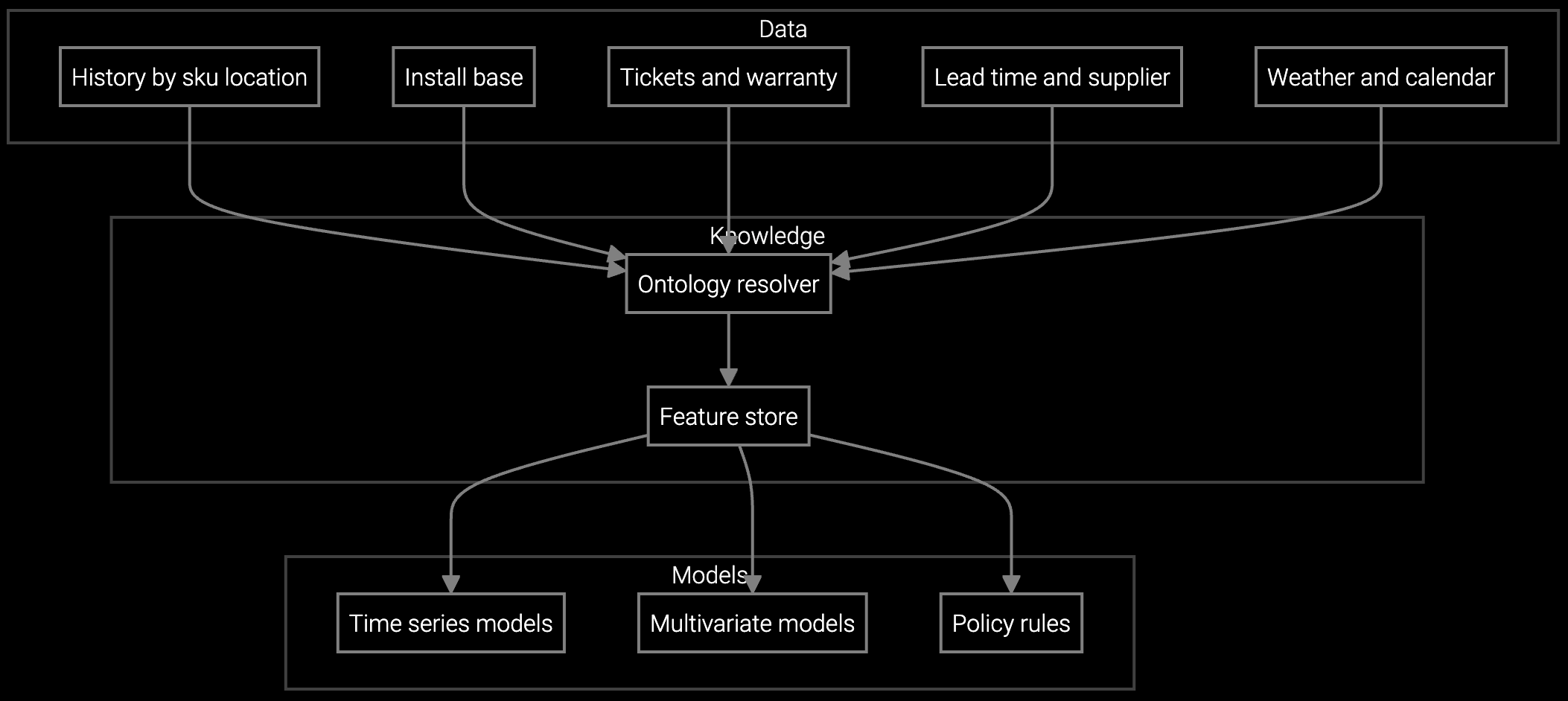
Project consumption patterns for dishwasher pumps, dryer heating elements, and washer control boards based on installed base age and historical failure rates across appliance models.
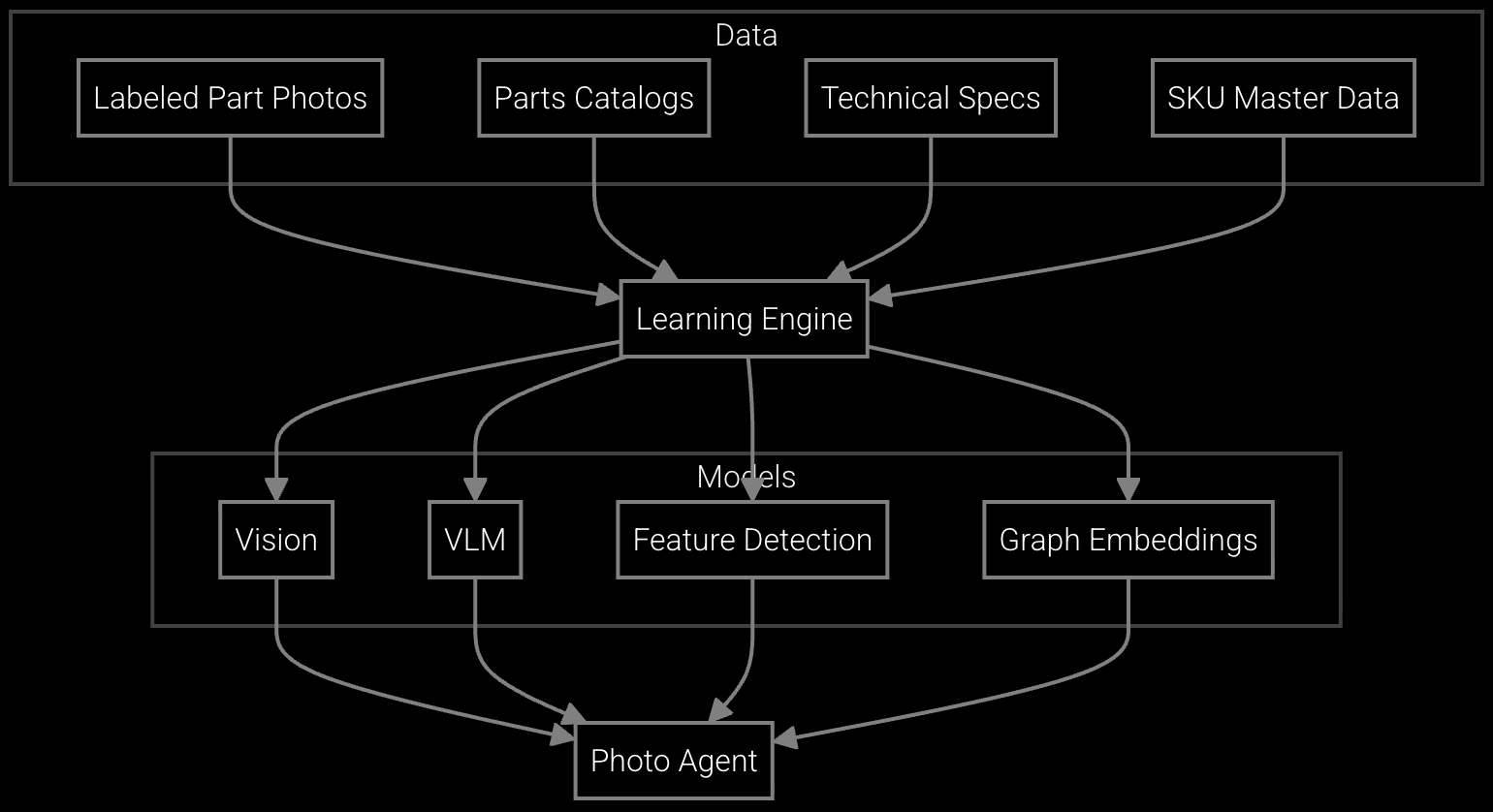
Snap a photo of a failed component like a motor or timer assembly and instantly get the part number and availability across all warehouse locations, eliminating manual lookup time.
Appliance manufacturers manage thousands of SKUs spanning decades of product models. A single refrigerator line might have 40+ part variations for compressors, control boards, and door seals. Service centers stock parts for 8-12 year old units still under extended warranty, creating long-tail inventory challenges where slow-moving parts accumulate while high-velocity seasonal items like HVAC compressors stock out during summer peaks.
The typical mid-size service center carries $180,000-$250,000 in parts inventory. Without intelligent forecasting, operators overshoot safety stock targets to avoid service delays, driving carrying costs to 22-25% of inventory value annually. Meanwhile, thin margins (2-4% warranty cost targets) mean every dollar wasted on excess inventory or emergency shipping directly impacts profitability.
Most appliance service operations see ROI within 90-120 days. The combination of reduced carrying costs (18-25% improvement), lower emergency shipping expenses (40-50% reduction), and reclaimed operator time (12-15 hours weekly) typically covers implementation costs in the first quarter. Organizations with higher inventory volumes or multiple service centers see faster payback.
Focus on four KPIs: inventory turns (target 15-20x annually for high-velocity parts), fill rate (percentage of service orders fulfilled without stockouts), emergency shipping cost per month, and carrying cost as percentage of inventory value. Track these monthly to demonstrate financial impact and identify optimization opportunities.
Yes, seasonal forecasting is where the platform delivers highest ROI. The system analyzes multi-year patterns for HVAC components, refrigeration parts, and other seasonal items, automatically adjusting stock levels ahead of demand spikes. This prevents summer stockouts for air conditioner parts while avoiding excess winter inventory that ties up capital.
The platform connects to SAP, Oracle, and other ERP systems via API, syncing inventory levels and generating purchase recommendations based on forecasted demand. Operators review and approve suggested orders through a single interface—no swivel-chair work across multiple systems. Integration typically takes 2-3 weeks depending on ERP complexity.
The system automatically surfaces compatible substitute parts based on appliance model, function, and fitment requirements. For example, if a specific dishwasher pump is out of stock, the platform identifies alternative part numbers that work for that model family, showing availability across all warehouse locations. This reduces emergency shipping by enabling fulfillment from existing inventory.

SPM systems optimize supply response but miss demand signals outside their inputs. An AI operating layer makes the full picture visible and actionable.
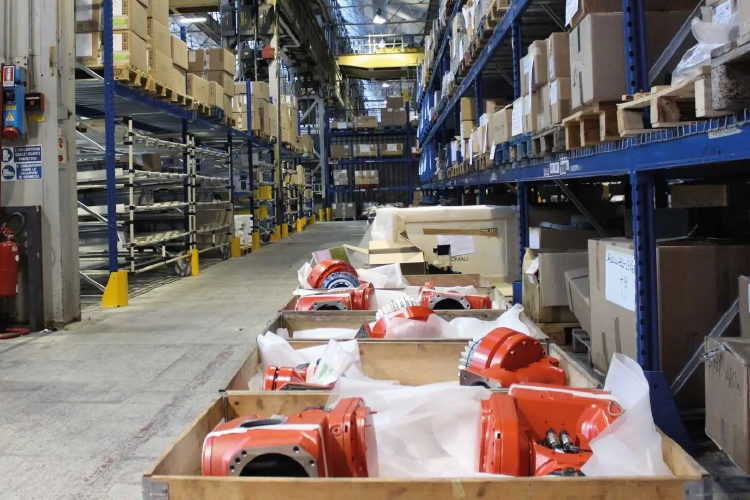
Advanced techniques for accurate parts forecasting.
AI-driven spare parts optimization for field service.
See the financial impact of automated demand forecasting and inventory optimization for your appliance service operations.
Schedule ROI Assessment