Distributed equipment populations and retiring expertise demand workflow automation that preserves resolution quality while reducing labor cost.
A Bruviti EV charging network deployment sustained 95% equipment uptime by automating remote support workflows. The same approach applies to industrial manufacturing: automated diagnosis and remote resolution keep machines running, so executives convert a reactive support desk into an uptime engine that protects production and warranty commitments.
Support engineers spend hours per session manually parsing PLC logs, SCADA telemetry, and vibration data to diagnose industrial equipment failures. Each session requires deep equipment knowledge and consumes expensive engineering labor.
Resolution insights remain undocumented as support engineers move between sessions. Critical troubleshooting patterns discovered during one remote session fail to transfer to the next, forcing repeated diagnostic work.
Without AI-powered diagnostic execution, support engineers escalate cases that automated analysis could resolve. Geographic distribution and equipment complexity drive escalation rates that workflow automation could eliminate.
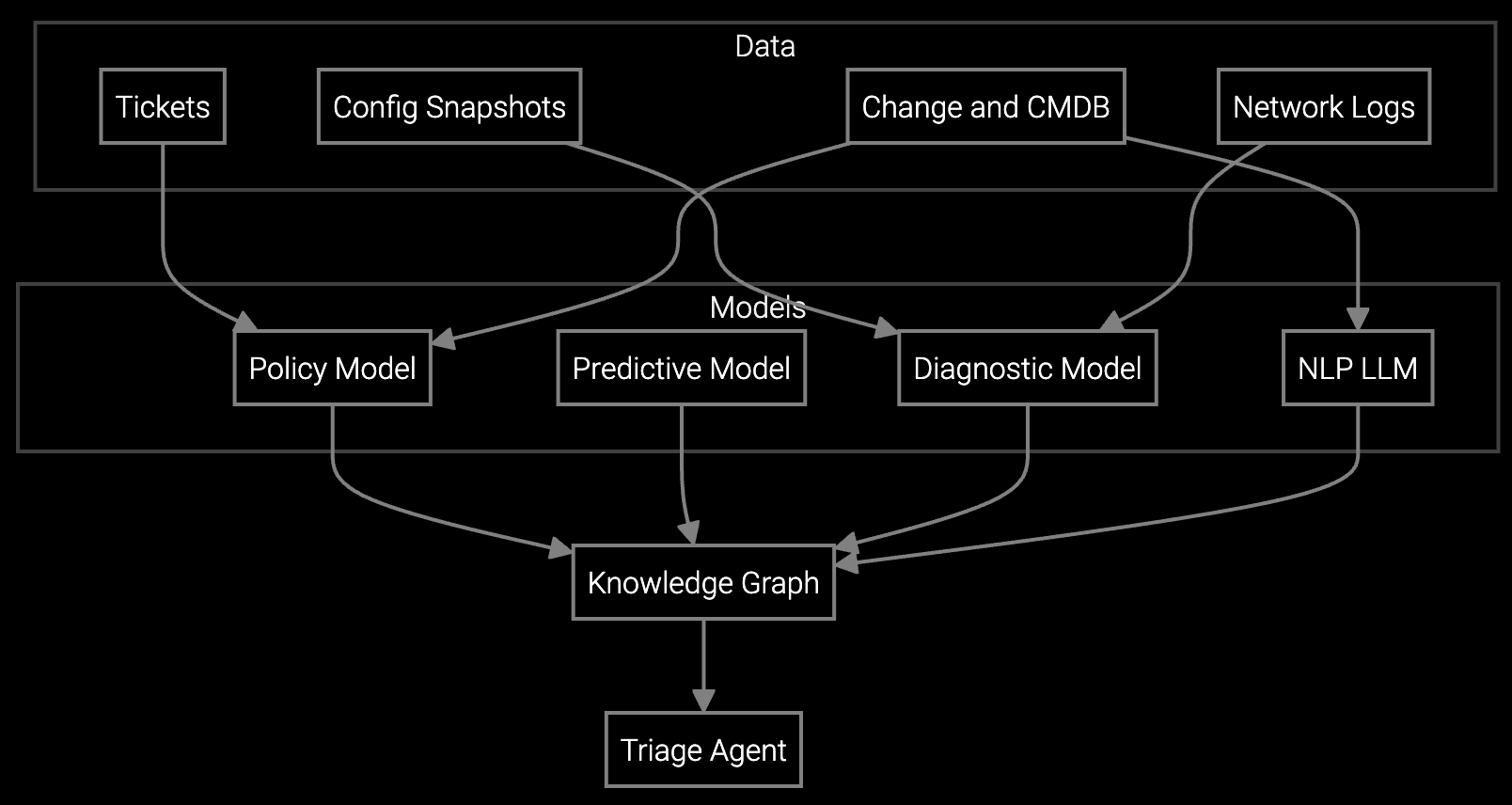
Bruviti deploys AI agents that execute entire remote support workflows autonomously. The platform ingests PLC data, SCADA telemetry, and vibration patterns from industrial equipment, then runs diagnostic analysis end-to-end without manual log parsing. Support engineers receive completed resolution cases instead of raw data dumps.
The platform orchestrates guided troubleshooting workflows by analyzing equipment state, cross-referencing historical failure patterns, and presenting step-by-step remediation paths. Each resolved session feeds the learning system, capturing diagnostic logic that traditionally retired with experienced engineers. Escalation decisions become automated—the AI identifies which cases require specialist intervention and which it can resolve remotely, eliminating judgment calls that previously consumed engineering time.
Industrial equipment OEMs face unique workflow challenges driven by 10-30 year equipment lifecycles and geographically distributed installations. Remote support sessions for CNC machines, industrial robots, and turbomachinery generate massive telemetry volumes—PLC logs, vibration data, temperature sensors, pressure readings—that support engineers must analyze manually to diagnose failures.
Automating these workflows delivers strategic advantage. The platform ingests sensor data from legacy and modern equipment alike, executing diagnostic analysis that previously required deep tribal knowledge. As experienced engineers retire, the AI preserves their troubleshooting logic in executable workflows, protecting institutional knowledge while reducing labor dependency for routine remote sessions.
AI agents execute diagnostic analysis automatically by parsing PLC logs, SCADA data, and sensor telemetry in parallel, eliminating hours of manual investigation. The platform cross-references historical failure patterns and presents completed diagnostic conclusions instead of requiring support engineers to manually correlate data sources. This automation compresses multi-hour sessions into minutes for common failure modes.
Industrial OEMs typically automate 40-60% of remote support workflows end-to-end, with the AI handling diagnostic execution, guided troubleshooting, and escalation decisions without human intervention. The remaining cases require specialist judgment or involve equipment configurations the system hasn't encountered. Automation rates increase over time as the platform learns from more resolved sessions.
The system ingests telemetry from legacy PLCs and SCADA systems through standard industrial protocols, requiring no equipment modifications. For older machinery lacking digital sensors, the platform analyzes available data streams and supplements with operator input when needed. The AI learns to work within the constraints of each equipment generation, preserving workflow automation benefits even for aging installed base populations.
Industrial manufacturers report $600K-$1.2M annual savings per 100 support engineers by automating diagnostic execution and escalation workflows. These savings come from reduced session handling time, fewer unnecessary escalations to specialists, and decreased reliance on expensive senior engineering labor for routine remote diagnostics. The platform allows OEMs to reallocate engineering capacity to higher-value work.
Each resolved remote session trains the AI on the diagnostic logic and troubleshooting steps that led to resolution. The platform captures how experienced engineers analyze telemetry patterns, which failure modes they check first, and what remediation sequences work for specific equipment types. This knowledge becomes executable workflows that remain operational after engineers retire, preventing the loss of tribal knowledge that typically occurs during workforce transitions.
Software stocks lost nearly $1 trillion in value despite strong quarters. AI represents a paradigm shift, not an incremental software improvement.
Function-scoped AI improves local efficiency but workflow-native AI changes cost-to-serve. The P&L impact lives in the workflow itself.
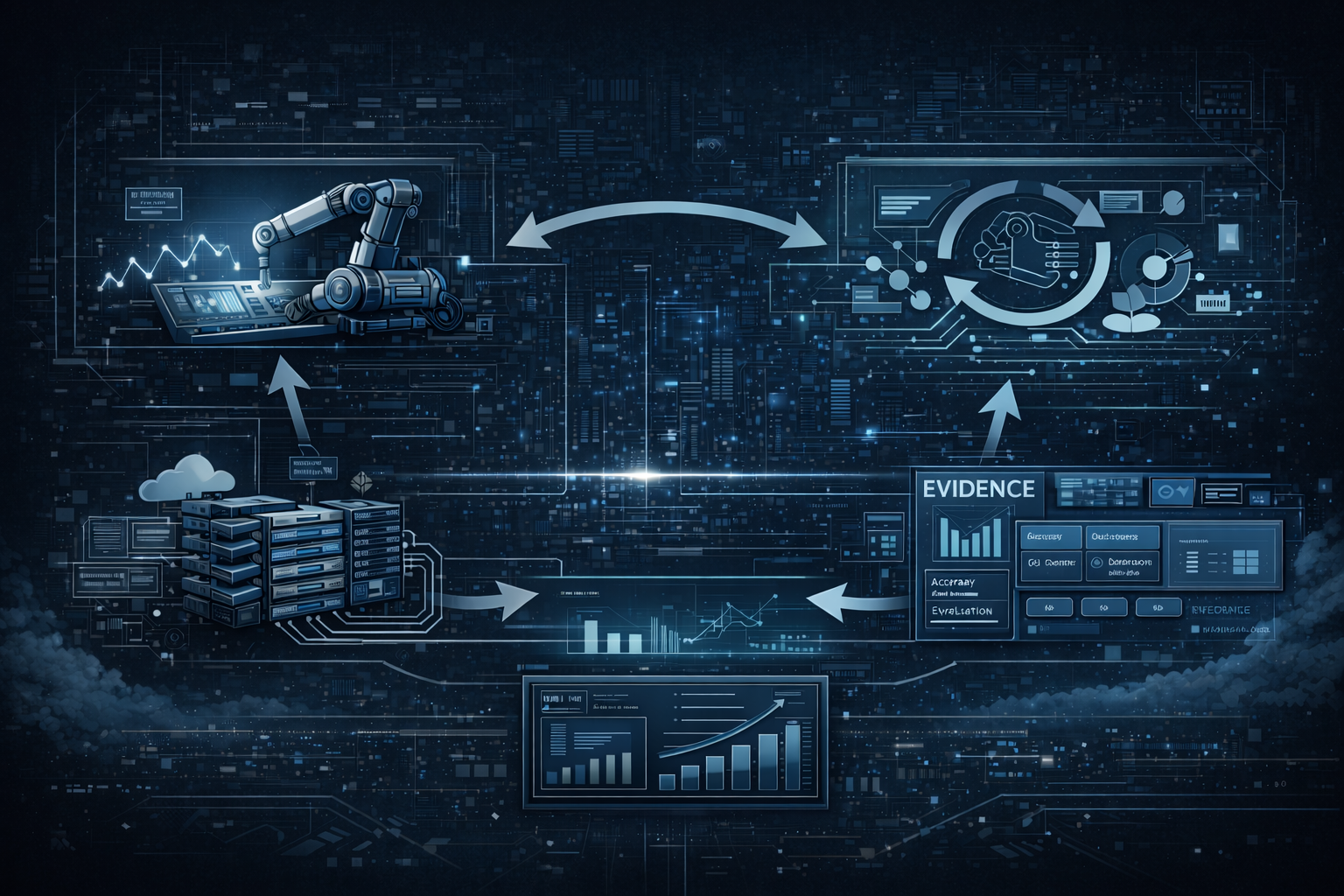
Five key shifts from deploying nearly 100 enterprise AI workflow solutions and the GTM changes required to win in 2026.
Discover how leading industrial OEMs reduce remote support labor costs while maintaining resolution quality.
Schedule Demo