
With technician expertise disappearing and truck roll costs escalating, service leaders need hard numbers to justify AI investment now.
A global industrial manufacturer raised first-time fix rate 25% and saved $2M per year with Bruviti field service AI. Executives see ROI flow from fewer truck rolls and repeat visits, each first-visit fix removes a return trip, dispatch cost, and the warranty exposure of an unresolved fault.
Technicians arrive without the right parts or expertise to complete repairs. Each repeat visit compounds dispatch costs, delays customer uptime, and triggers SLA penalties that directly impact service margin.
Senior technicians with decades of hands-on experience are retiring. Their undocumented knowledge of legacy equipment, failure patterns, and workaround techniques walks out the door, leaving junior technicians less effective on-site.
Service coordinators manually match work orders to technician schedules, skills, and location. Suboptimal dispatch routing increases travel time, reduces billable hours, and delays response to high-priority failures at customer sites.
Bruviti's platform applies machine learning to historical service records, sensor telemetry, and technician debrief notes to predict which parts will be needed before dispatch. This eliminates the guesswork that causes repeat visits and reduces truck roll frequency by resolving more issues remotely. The AI learns from every completed job, continuously improving prediction accuracy and first time fix rates without manual rule updates.
The platform captures retiring technician expertise through knowledge extraction interviews and job shadow observations, then encodes that tribal knowledge into decision support models accessible on mobile devices. Junior technicians receive real-time guidance on-site that replicates the diagnostic reasoning of senior experts. This accelerates workforce ramp time and protects service margin as experienced personnel retire, ensuring institutional knowledge persists beyond individual careers.
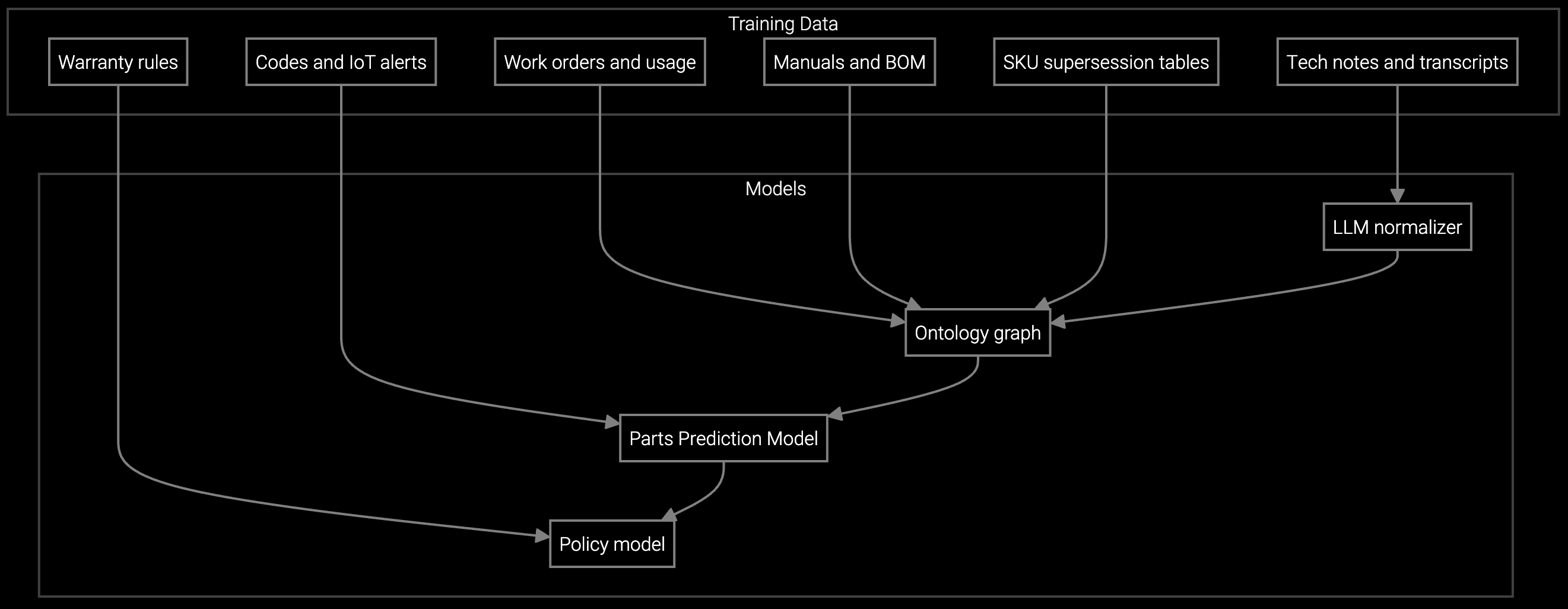
Machine learning analyzes failure symptoms, equipment age, and run hours to predict which components will fail. Technicians pre-stage the correct parts before dispatch, eliminating wait time for next-day shipments and reducing repeat site visits for CNC machines, compressors, and industrial robots.
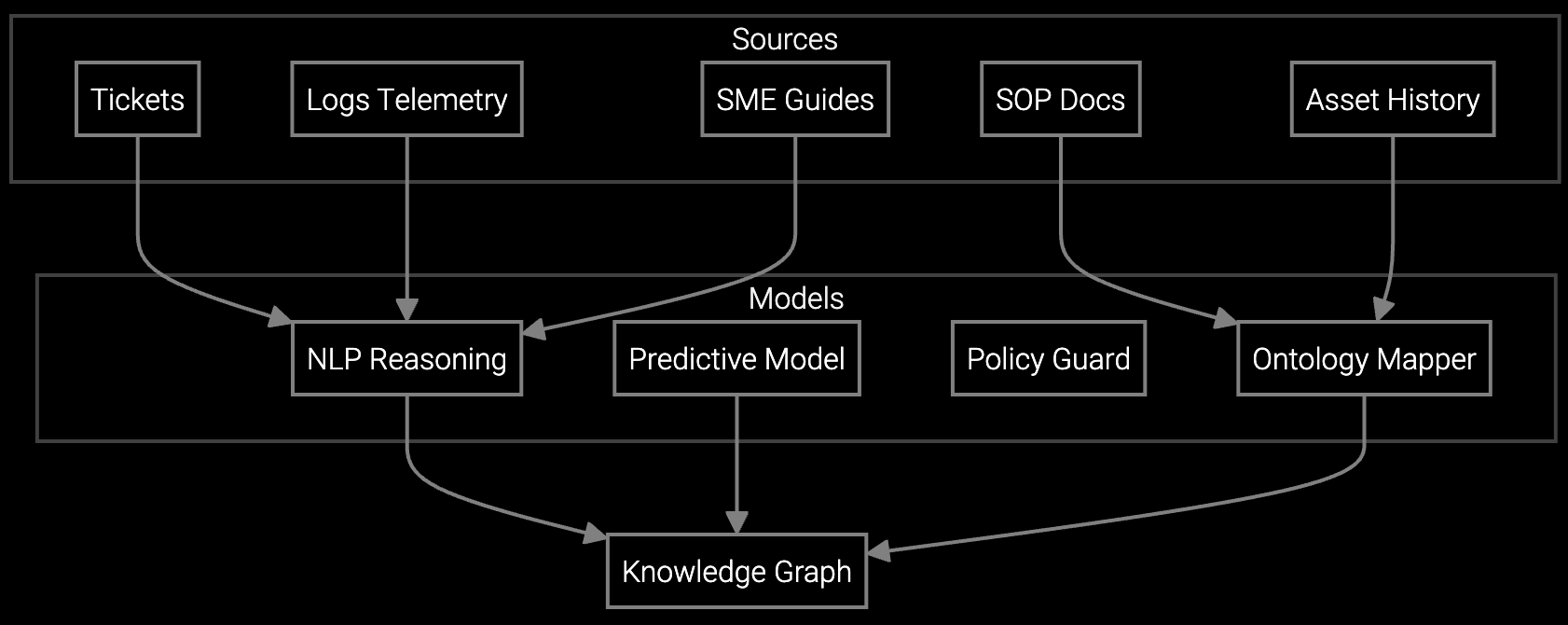
AI correlates current failure symptoms with historical patterns across decades of service records and tribal knowledge from senior technicians. For legacy equipment with incomplete documentation, the platform identifies root cause faster than manual troubleshooting, reducing mean time to repair and SLA exposure.
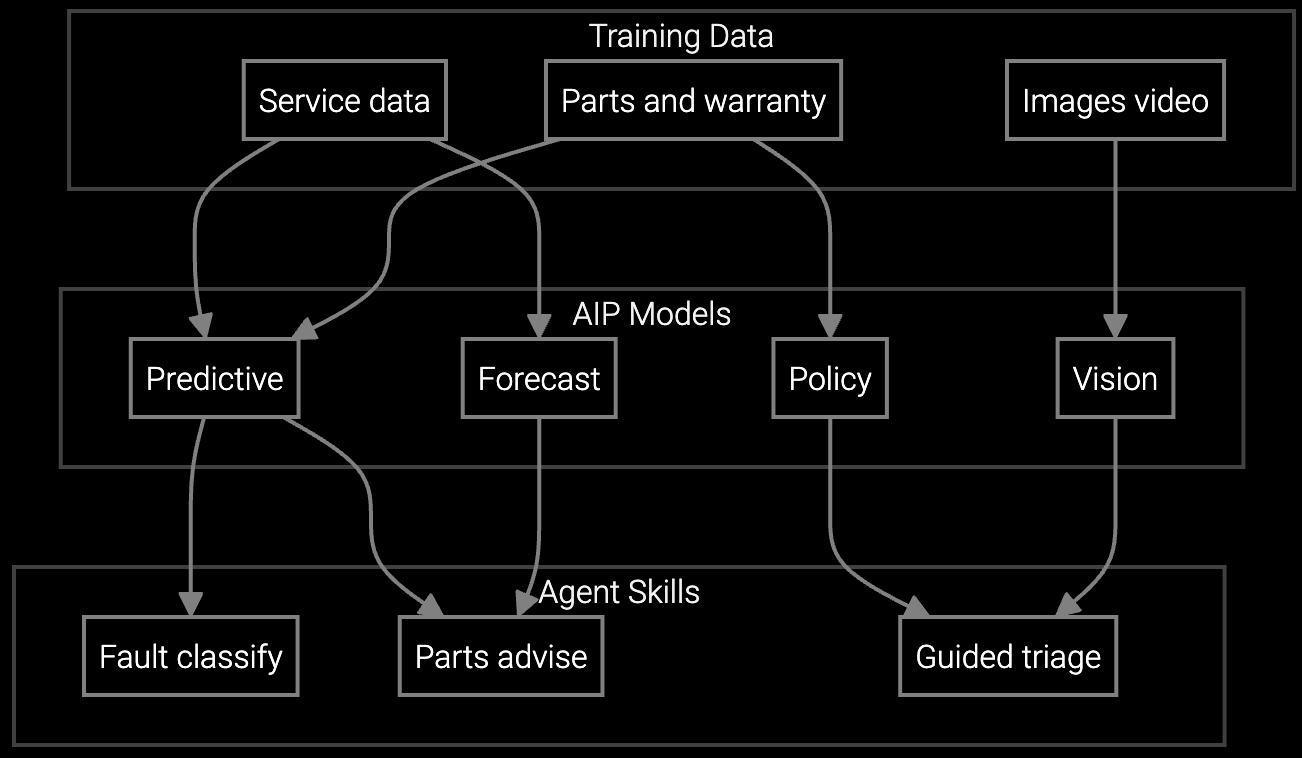
Mobile copilot delivers real-time diagnostic guidance, repair procedures, and safety warnings on-site. Junior technicians receive the decision-making support of senior experts without escalation delays, maintaining consistent service quality as experienced workforce retires and improving utilization of less-experienced personnel.
Industrial manufacturers support equipment deployed for 10-30 years across global sites, often with incomplete documentation for older models. Service organizations face rising pressure to maintain uptime for heavy machinery, CNC systems, and material handling equipment while managing declining technician expertise and parts obsolescence challenges. Customer expectations for rapid response remain constant even as equipment ages and service complexity increases.
The AI platform ingests PLC data, SCADA telemetry, and IoT sensor streams alongside historical service records and technician debrief notes. For legacy equipment lacking real-time connectivity, the system applies pattern recognition to symptom descriptions and equipment age profiles to predict failure modes. This hybrid approach delivers predictive value across both modern connected systems and decades-old machines still generating revenue for OEM service contracts.
Track first time fix rate, truck roll frequency, technician utilization percentage, mean time to repair, and SLA compliance rate. Leading industrial OEMs also measure cost per service visit, parts carrying cost reduction, and warranty reserve accrual changes. These metrics directly tie AI performance to margin protection and service profitability, providing board-ready ROI documentation.
Most industrial manufacturers see initial improvements in 3-6 months as the platform learns from historical data and technicians adapt workflows. Significant ROI emerges at 8-14 months when predictive accuracy improves and repeat visit rates decline. Full value realization including workforce knowledge preservation typically occurs over 18-24 months as the AI captures retiring technician expertise.
Payback periods range from 8-14 months depending on current first time fix rates, truck roll costs, and service contract structure. OEMs with geographically distributed installed bases and high truck roll expenses see faster payback. The calculation includes direct dispatch cost reduction, parts inventory optimization, and avoided SLA penalties, with ongoing margin protection benefits extending years beyond initial payback.
The platform uses structured knowledge extraction interviews, job shadow observations, and analysis of technician debrief notes to capture diagnostic reasoning and workaround techniques from experienced personnel. This tribal knowledge becomes encoded in decision support models accessible to junior technicians on mobile devices. The AI replicates senior expert judgment without requiring those individuals to remain employed, protecting service quality during workforce transitions.
The platform ingests historical service records, parts consumption data, technician debrief notes, sensor telemetry from PLC and SCADA systems, and equipment age profiles. For legacy machines without real-time connectivity, symptom descriptions and failure history provide sufficient signal. The AI continuously learns from completed jobs, improving prediction accuracy without requiring comprehensive data coverage at launch.

How AI bridges the knowledge gap as experienced technicians retire.
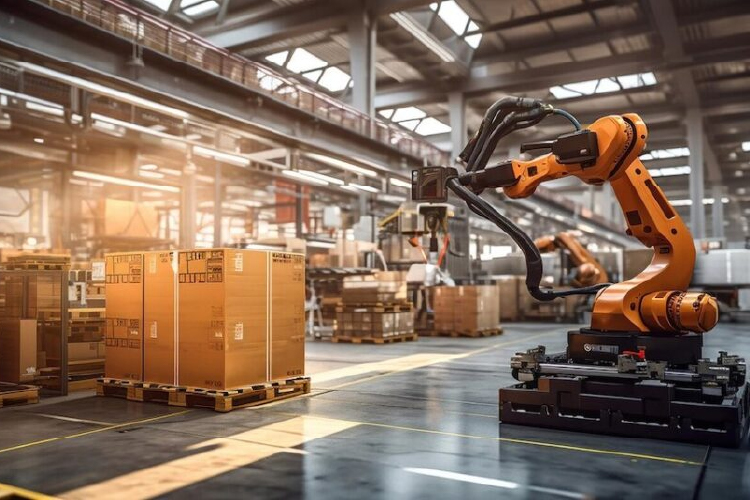
Generative AI solutions for preserving institutional knowledge.

AI-powered parts prediction for higher FTFR.
See how Bruviti's platform delivers measurable margin protection and service cost reduction for your installed base.
Schedule ROI Analysis