
Rising truck roll costs and seasonal demand spikes make field service optimization critical for appliance OEM margin protection.
Field service AI delivered roughly $7.5 million in savings from about 30,000 eliminated truck rolls at $250 each, per Bruviti deployment data, alongside a 10 to 15% cut in cost to serve. The return comes from first-time fix improvement: fewer second visits, lower parts variance, and decisions made in under 5 minutes.
Technicians arrive at homes without the right parts or diagnostic context, forcing return trips. Each repeat visit compounds cost while eroding customer trust and NPS scores.
Senior technicians retire with decades of diagnostic knowledge locked in their heads. New hires lack the pattern recognition to solve complex failures efficiently.
Manual scheduling fails to match technician skill to failure type or optimize routes during seasonal surges. Technicians spend more time driving than repairing.
Bruviti's platform captures field service ROI across three cost centers: reducing unnecessary truck rolls through better pre-dispatch diagnostics, improving first-time fix rates via predictive parts staging, and preserving technician expertise as a reusable asset. The platform ingests historical work order data, failure patterns, and technician resolution methods to predict which parts will be needed before dispatch and route the right skill to the right job.
The margin impact compounds over time. Early savings come from truck roll avoidance and parts waste reduction. Sustained value builds as the AI captures retiring technician expertise and makes it available to the entire workforce, effectively cloning your best diagnostic capabilities across every service territory. Most appliance OEMs achieve payback within 11-14 months, with ongoing annual savings of 14-18% of total field service costs.
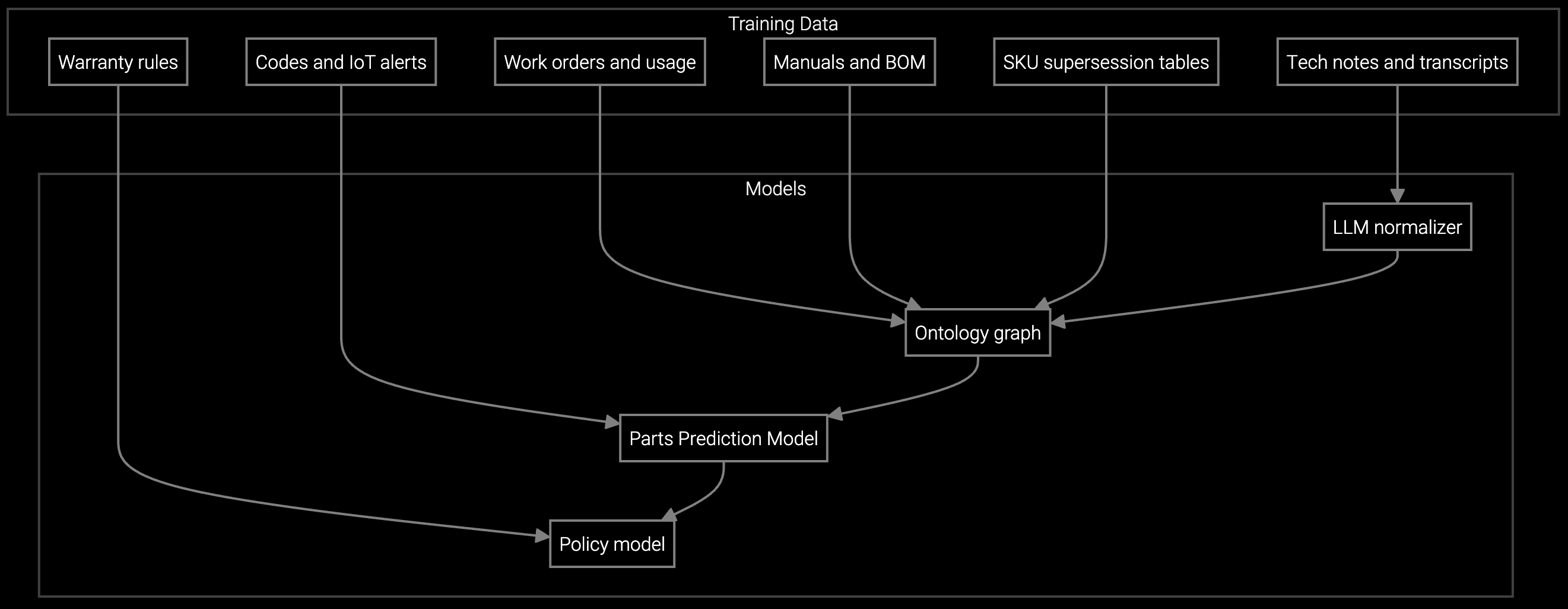
Predicts which refrigerator compressor or washer pump parts technicians will need for in-home appliance repairs before dispatch, improving first-time fix rates and reducing return trips.
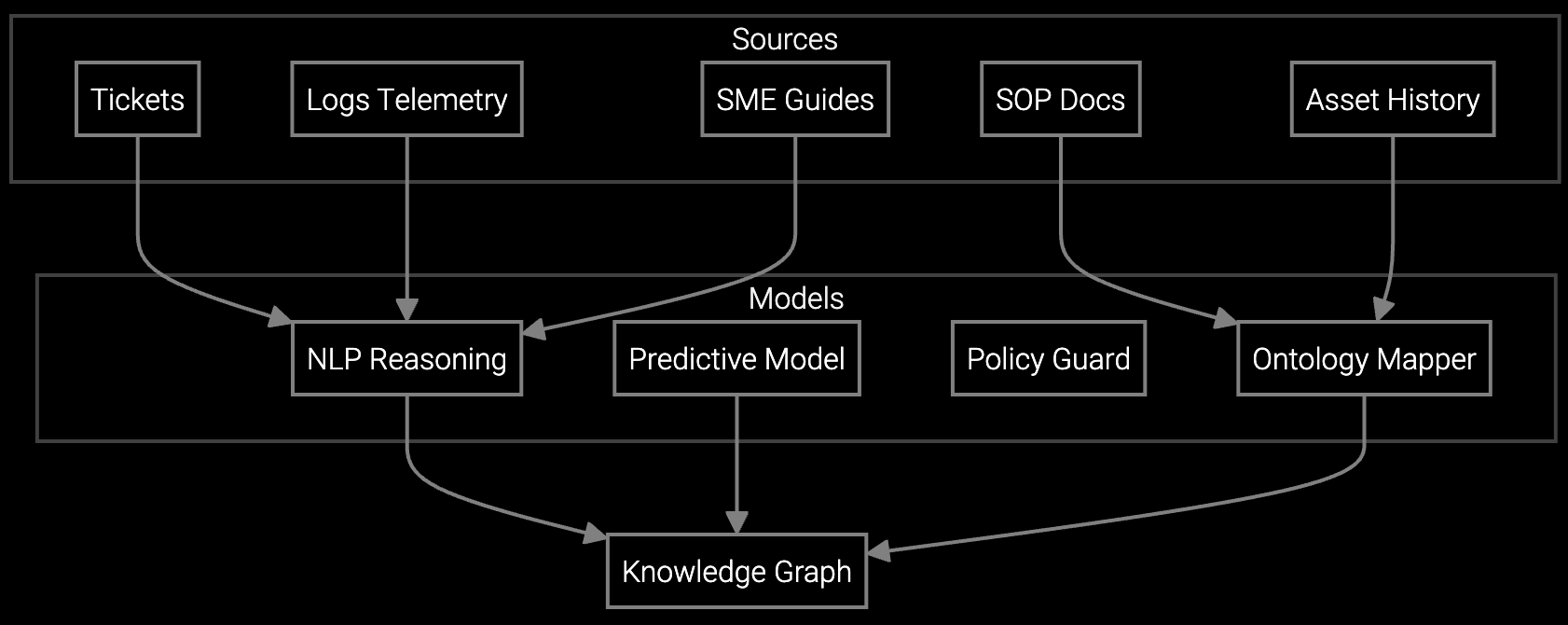
Correlates appliance failure symptoms with historical patterns and captured technician expertise to identify root cause faster, reducing diagnostic time on-site.
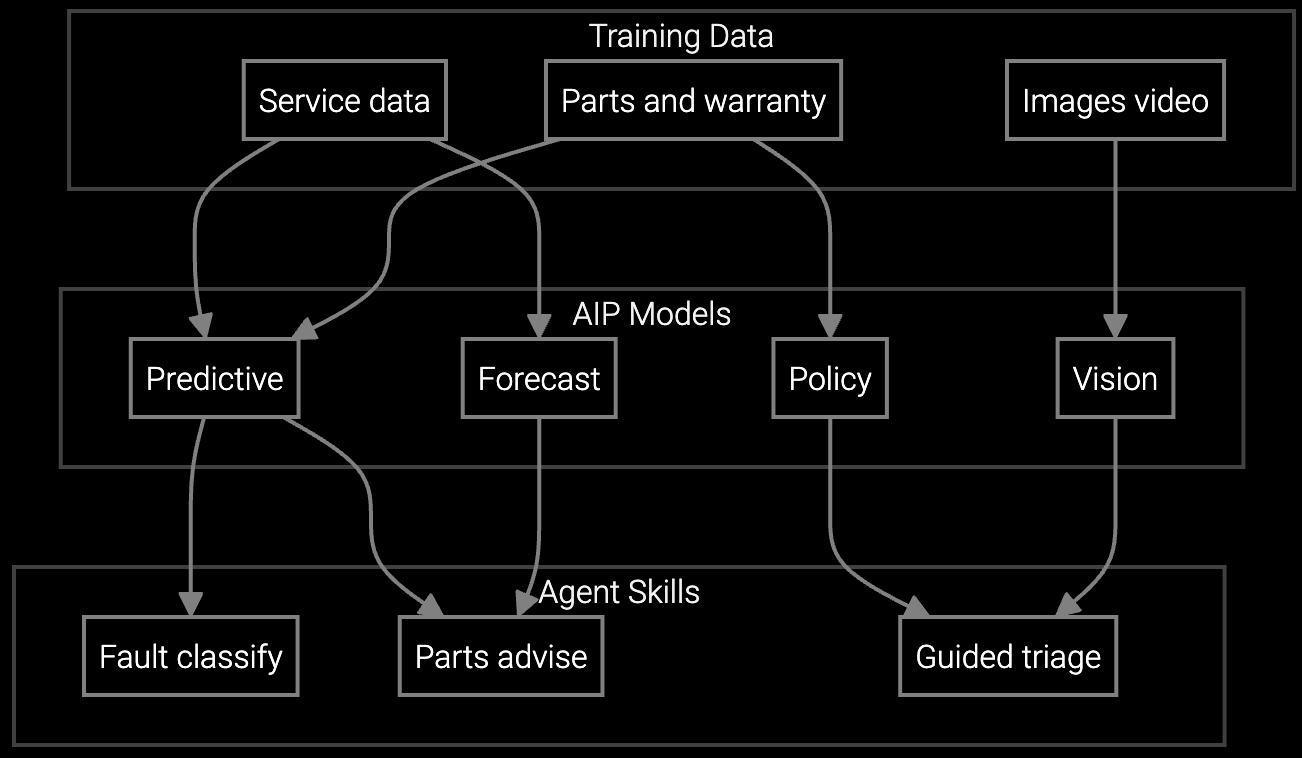
Mobile copilot provides HVAC and appliance technicians with real-time guidance, repair procedures, and diagnostic recommendations during in-home service calls.
Appliance OEMs face dramatic seasonal demand spikes—HVAC failures surge during heat waves, refrigerators fail during holidays, water heaters during winter cold snaps. Traditional dispatch cannot scale efficiently, leading to overtime costs, missed SLAs, and customer dissatisfaction. AI-driven dispatch optimization routes technicians by skill match and geographic efficiency, while predictive parts staging ensures parts availability during peak seasons.
The financial benefit compounds across service territories. A 200-technician field force saving 50 minutes per day through better routing and fewer repeat visits recovers 16,667 hours annually—the equivalent of 8 full-time technicians. That capacity can absorb seasonal surges without adding headcount or paying overtime premiums.
Most appliance OEMs achieve full ROI within 11-14 months through truck roll reduction, improved first-time fix rates, and technician utilization gains. The payback accelerates as the AI captures more expertise and refines parts predictions over time.
Track FTF rate before and after AI deployment using work order completion data. The AI flags which jobs received parts predictions or diagnostic guidance, allowing you to compare FTF rates for AI-assisted versus traditional dispatches. Most OEMs see 12-15 percentage point improvements.
Yes. The AI learns from historical work orders and can also ingest structured interviews or technician notes. As senior technicians document their diagnostic methods, the platform converts that knowledge into reusable guidance for the entire workforce, preserving institutional knowledge that would otherwise walk out the door.
Focus on first-time fix rate, truck roll cost per incident, technician utilization (work time vs. drive time), parts waste reduction, and SLA compliance. These metrics directly tie to margin protection and can be reported to the board quarterly to demonstrate sustained value.
By improving first-time fix rates and reducing repeat visits, the platform lowers the total cost per warranty claim. Fewer truck rolls and less parts waste mean each claim costs less to resolve, allowing you to reduce warranty reserve accruals while maintaining coverage adequacy.

How AI bridges the knowledge gap as experienced technicians retire.
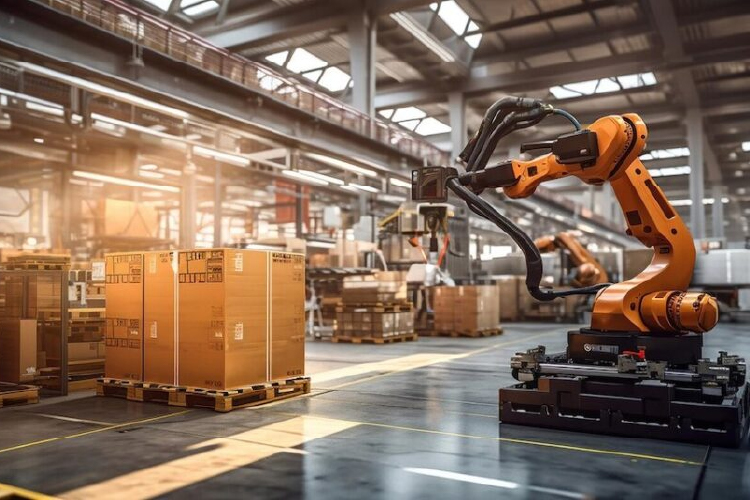
Generative AI solutions for preserving institutional knowledge.

AI-powered parts prediction for higher FTFR.
See how Bruviti's platform can deliver measurable margin protection for your appliance service operations.
Schedule ROI Discussion