
NFF costs erode margins and delay refurbishment cycles—but legacy RMA systems can't distinguish actual defects from mishandling or operator error.
AI defect-source tracing produces 40-60% fewer false quarantines and equipment holds in semiconductor operations, per Bruviti deployment data. Builders feed return signals into the tracing model so genuine faults separate from no-fault-found units before quarantine. That kills the over-holding that drives NFF return volume and idle equipment cost.
Fab equipment failures trigger expensive RMA cycles, but when returned units show no defect after testing, warranty reserves become impossible to forecast accurately.
Every returned chamber kit or metrology component must be disassembled, inspected, and retested—consuming lab capacity that could validate actual defects.
Without pre-return defect verification, claims analysts approve RMAs based on error codes alone—missing contamination, handling damage, or recipe parameter drift.
Train vision models on SEM and AFM microscopy images to classify defect types before approving returns. The platform ingests pre-RMA images submitted by fab engineers, compares them against known defect signatures (e.g., particle contamination vs. handling scratches), and flags likely NFF candidates. You control the classification taxonomy—add custom defect categories, retrain models on proprietary failure mode data, and integrate outputs into existing warranty systems via REST APIs.
Correlate equipment telemetry streams (chamber pressure, temperature profiles, gas flow rates) with historical failure codes to detect recipe drift or operator error patterns that mimic genuine defects. Build custom NFF prediction models using Python SDKs, deploy them in your own infrastructure, and update training data as new failure modes emerge—no vendor lock-in.
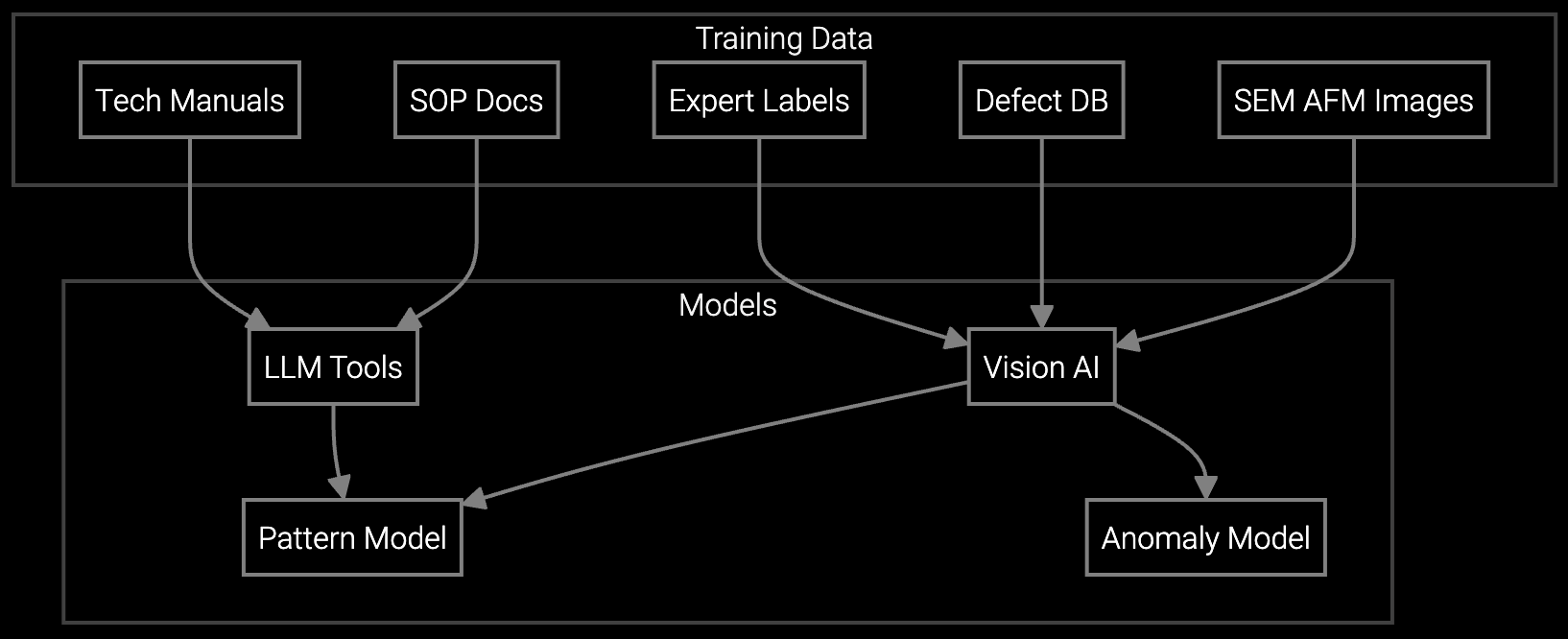
AI analyzes microscopic images of lithography masks and wafer surfaces to validate actual defects versus contamination or handling damage—reducing false warranty claims.
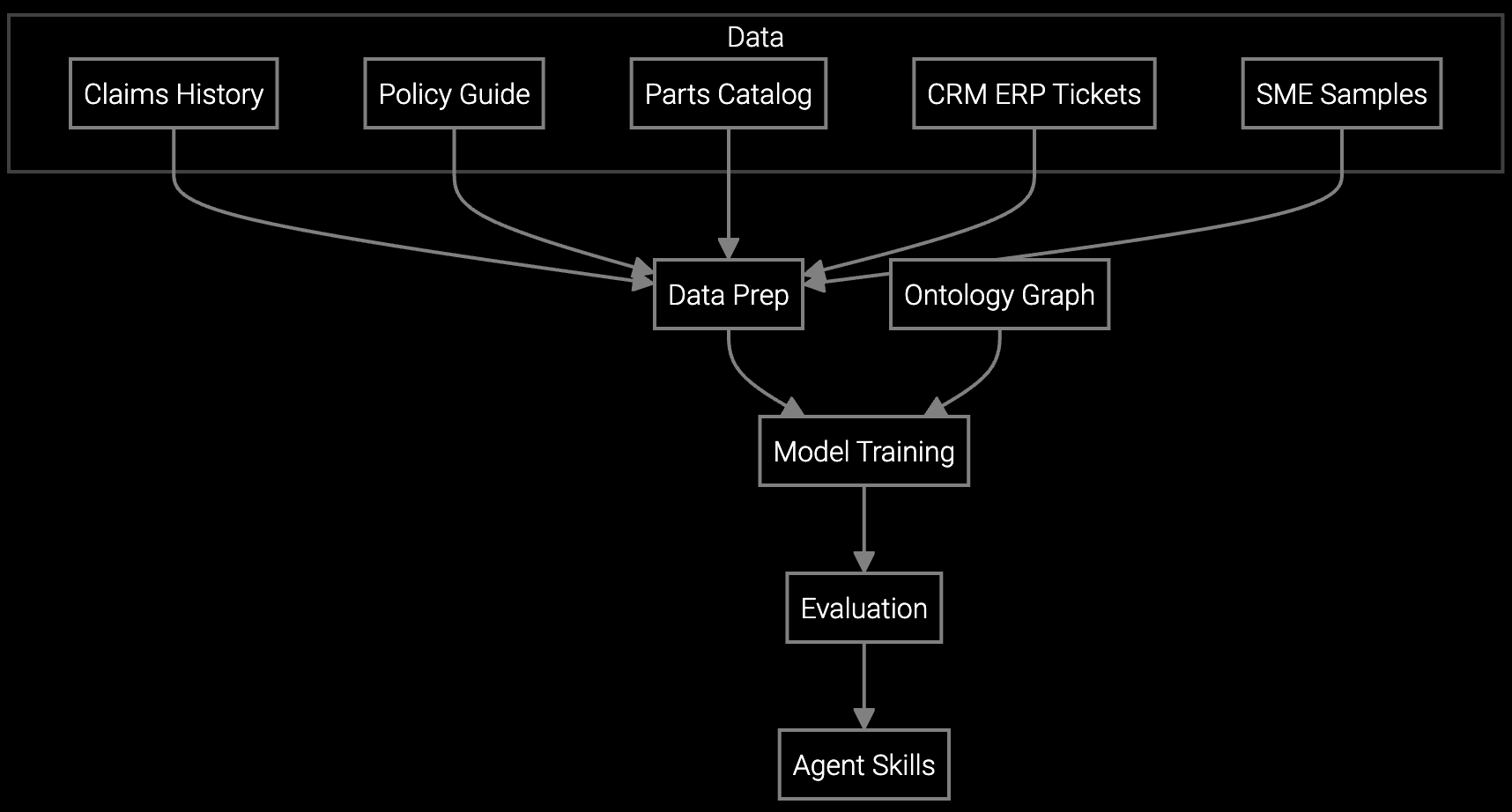
Automatically classifies failure codes and assigns warranty codes based on equipment telemetry and error log patterns—accelerating claims processing for etch and deposition tools.
Lithography systems, etch chambers, and metrology tools generate thousands of telemetry signals and error codes per shift. When fab engineers report a failure, claims teams must distinguish genuine defects (e.g., degraded plasma sources, contaminated optics) from recipe drift, operator misuse, or environmental factors like cleanroom humidity spikes.
Without pre-RMA defect validation, warranty departments approve returns based on error codes alone—leading to costly reverse logistics for components that test as functional upon arrival. In semiconductor equipment, where chamber kits cost $80K–$150K and lithography optics exceed $500K, NFF returns directly erode margin and delay refurbishment capacity for actual warranty work.
Yes. The platform's Python SDK allows you to fine-tune models in your own environment using your proprietary SEM imagery and telemetry logs. You control data access, model weights, and deployment infrastructure.
Use REST APIs to pass image URLs and telemetry data to the AI platform, receive defect classification scores, and route them back to your warranty system for automated RMA approval decisions. Standard integration takes 2-4 weeks.
Configure confidence thresholds to escalate borderline cases to human reviewers. You can also retrain models on false negatives, ensuring the classifier improves with feedback from your claims team and lab inspection results.
No. The AI layer sits upstream of your RMA approval process—analyzing images and telemetry before claims are submitted. It augments existing workflows without requiring system replacement.
Pilot programs typically show measurable NFF reduction within 60-90 days as models learn from initial classifications and analysts begin rejecting low-confidence returns before shipping.
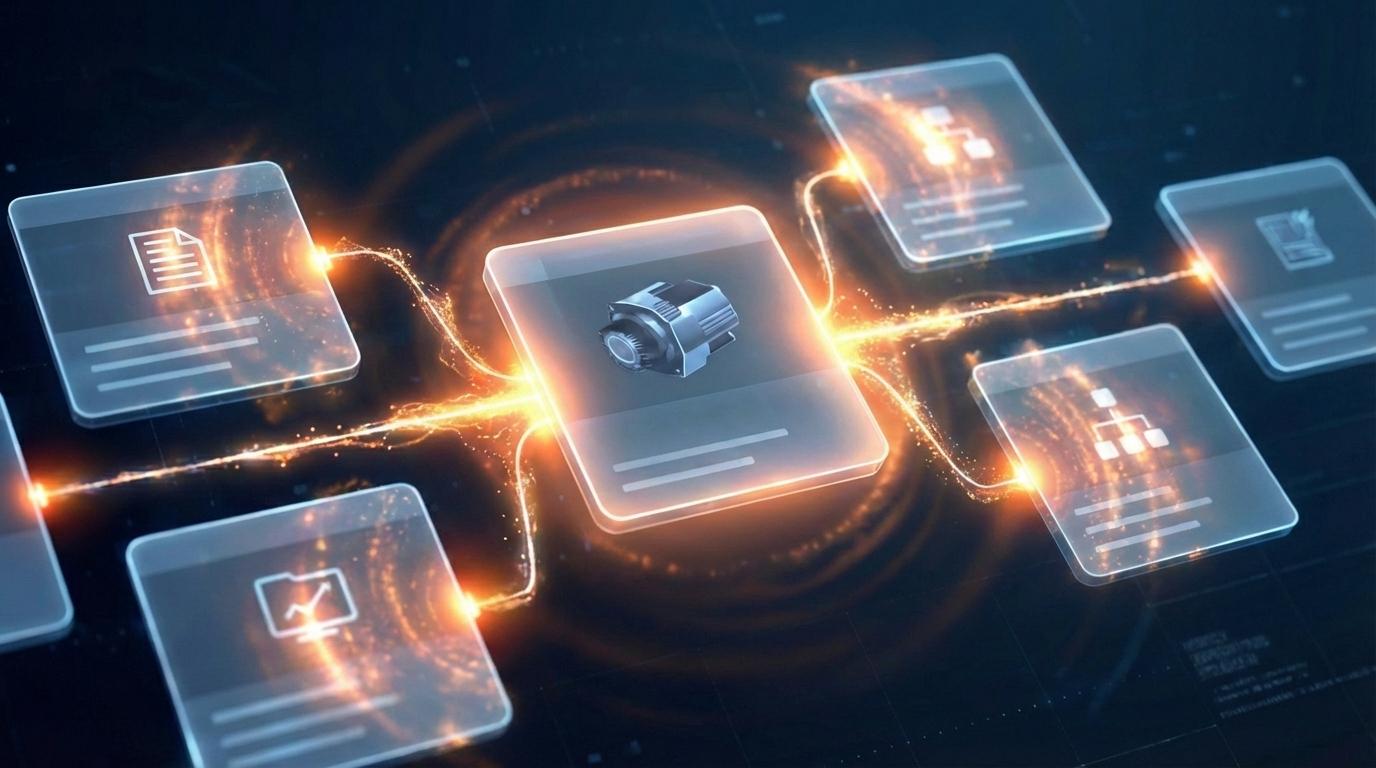
Software stocks lost nearly $1 trillion in value despite strong quarters. AI represents a paradigm shift, not an incremental software improvement.
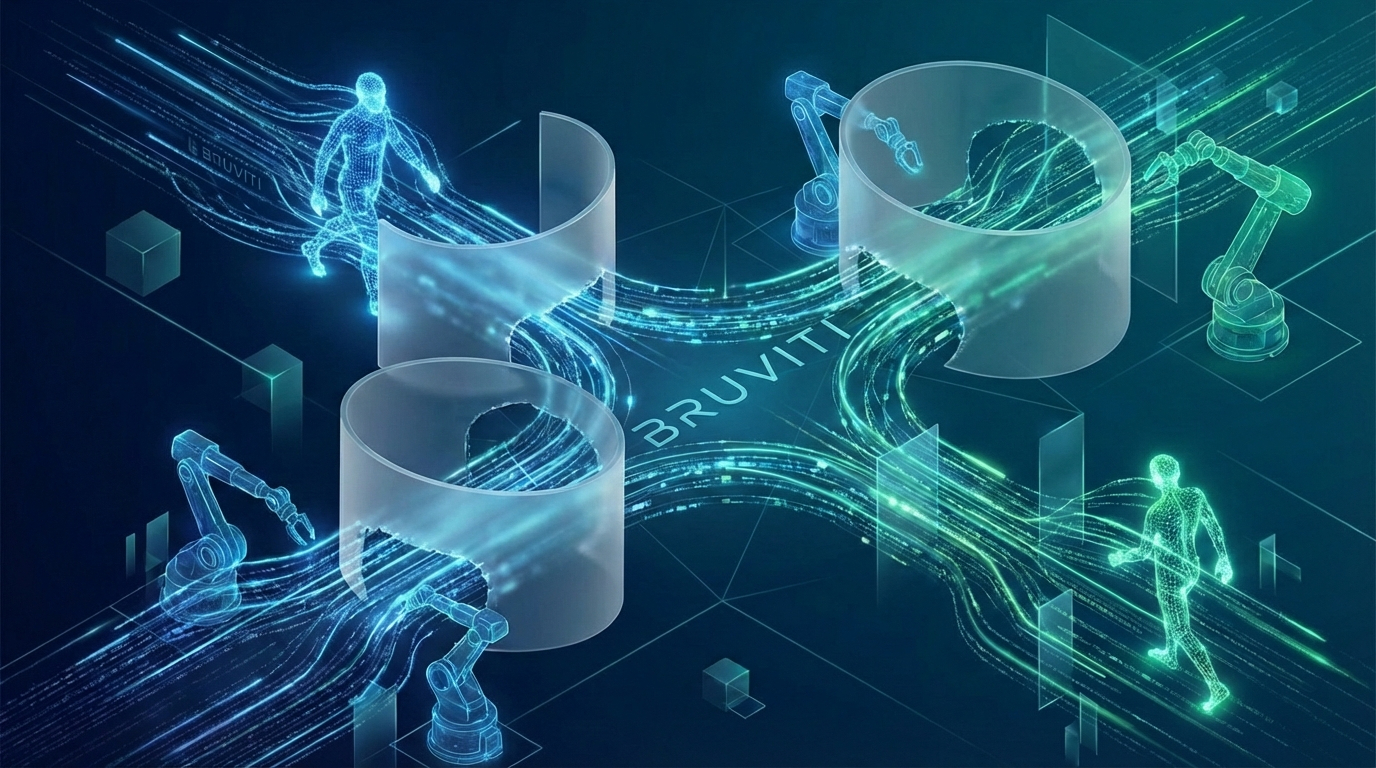
Function-scoped AI improves local efficiency but workflow-native AI changes cost-to-serve. The P&L impact lives in the workflow itself.
Five key shifts from deploying nearly 100 enterprise AI workflow solutions and the GTM changes required to win in 2026.
See how Bruviti's SDKs and APIs integrate with your warranty systems to validate defects before they become returns.
Schedule Technical Demo