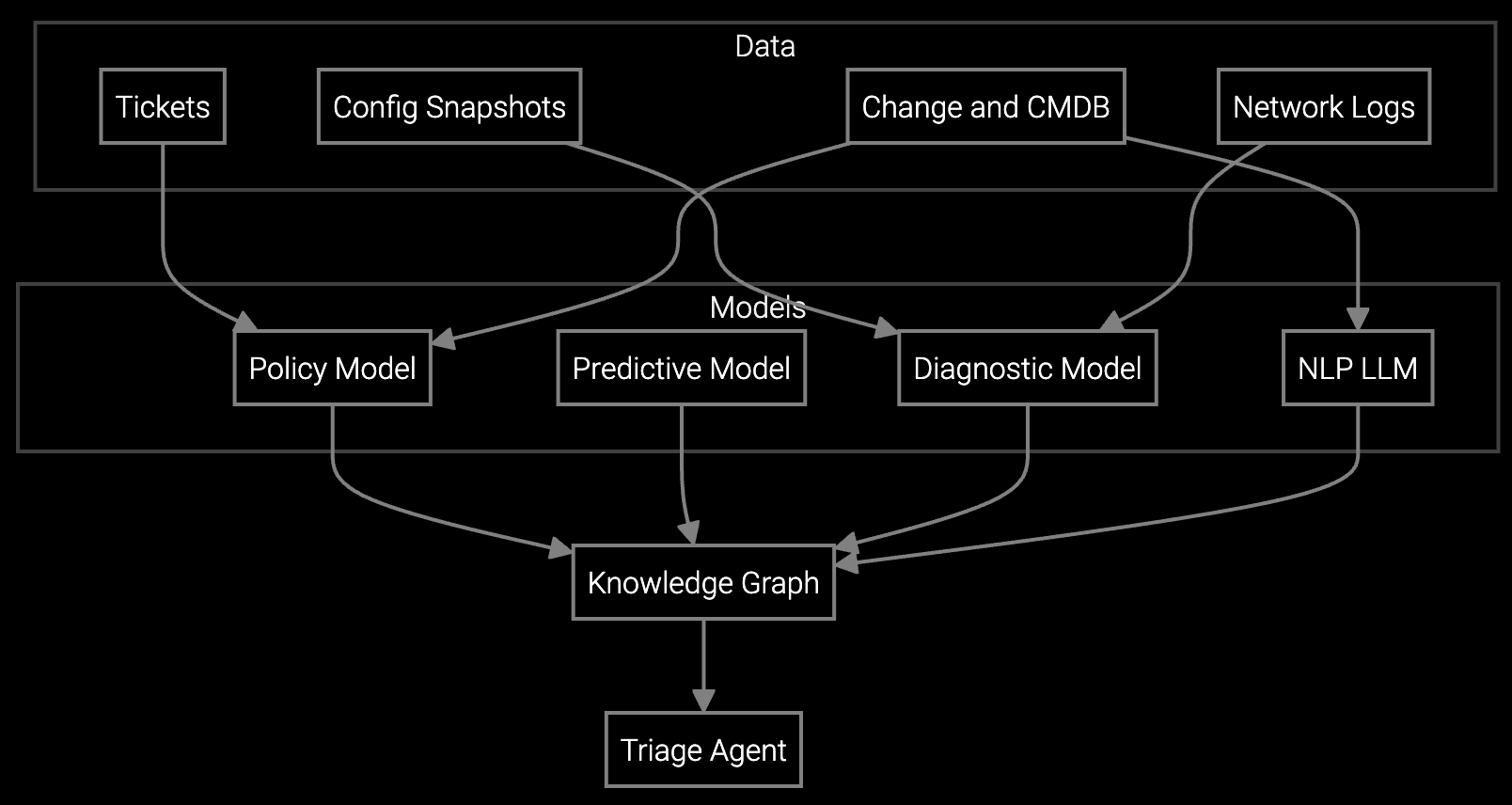
Equipment downtime costs $1M per hour in fabs—remote resolution speed determines whether you protect margin or bleed it.
Bruviti deployment data reports remote diagnostics running at 99.9% streaming availability with detection-to-alert in under 2 seconds. For semiconductor leaders, AI remote support deploys against live tool telemetry to catch anomalies early, keeping fabs running while engineers focus on the faults that genuinely need human judgment.
Support engineers toggle between remote access platforms, log viewers, and equipment-specific diagnostic tools. Each requires separate authentication and produces siloed data that never connects into unified insights.
Process chamber errors generate 50,000+ log lines per incident. Support engineers spend hours manually parsing telemetry to isolate root cause—delaying resolution while fab downtime costs accumulate.
Senior engineers know which telemetry patterns predict chamber failures, but their expertise lives in memory. New hires lack this pattern recognition, forcing premature escalations to preserve uptime commitments.
Deploy AI remote diagnostics by establishing secure telemetry ingestion pipelines from your etch tools, lithography systems, and metrology equipment. The platform connects via REST APIs to existing remote access systems—no replacement required—and continuously ingests equipment logs to build diagnostic pattern libraries specific to your installed base.
Train initial models on 90 days of historical incident data paired with resolution notes. The AI learns correlations between sensor drift patterns and component failures, then surfaces these insights during live remote sessions. Support engineers see ranked probable causes within seconds, not hours, while retaining full authority over resolution decisions. Deploy first in controlled pilot scope—single product line or customer segment—to validate remote resolution rate improvement before broader rollout.
Semiconductor fabs operate 24/7 with zero tolerance for unplanned downtime. Implementing AI diagnostics requires phased integration that never interrupts production schedules. Start with read-only telemetry access from non-critical metrology tools to validate pattern recognition accuracy before expanding to etch and deposition systems where process recipe stability is non-negotiable.
Chamber-level sensor data from your installed base contains proprietary process signatures. Ensure implementation architecture supports on-premises model training within your own infrastructure—preventing recipe IP exposure while still achieving diagnostic accuracy improvements. Support engineers need confidence that AI recommendations reflect your specific equipment configurations, not generic fault libraries from other manufacturers.
You need secure API access to equipment telemetry streams, 90 days of historical incident logs paired with resolution notes for initial model training, and integration with your existing remote access platform. The platform operates via REST APIs and does not require replacing current tools—it augments them with diagnostic intelligence while preserving your established workflows.
Pilot deployment for a single equipment type typically requires 4-6 weeks: one week for telemetry pipeline setup, two weeks for initial model training on historical data, and 2-3 weeks for live validation with support engineers. Full fab rollout across multiple equipment families extends to 3-4 months depending on installed base complexity and change management velocity.
Yes. The platform supports fully on-premises model training within your own infrastructure—no equipment telemetry or process data leaves your network. You maintain complete control over what data feeds model development while still achieving diagnostic accuracy improvements. This architecture is standard for semiconductor customers where recipe IP protection is non-negotiable.
Track three KPIs: remote resolution rate before and after AI deployment, escalation rate to senior engineers or process experts, and mean time to resolution for equipment incidents. Semiconductor customers typically see 25-40% improvement in remote resolution rate within 60 days, translating directly to reduced downtime costs and preserved equipment availability for scheduled production runs.
Continuous model improvement happens automatically as support engineers close cases—the platform learns from every resolution to refine diagnostic accuracy. You should schedule quarterly reviews to validate pattern recognition performance against new equipment installations or process changes. No dedicated AI team required—your existing support leadership owns model governance using built-in dashboards that surface accuracy metrics and recommendation trends.
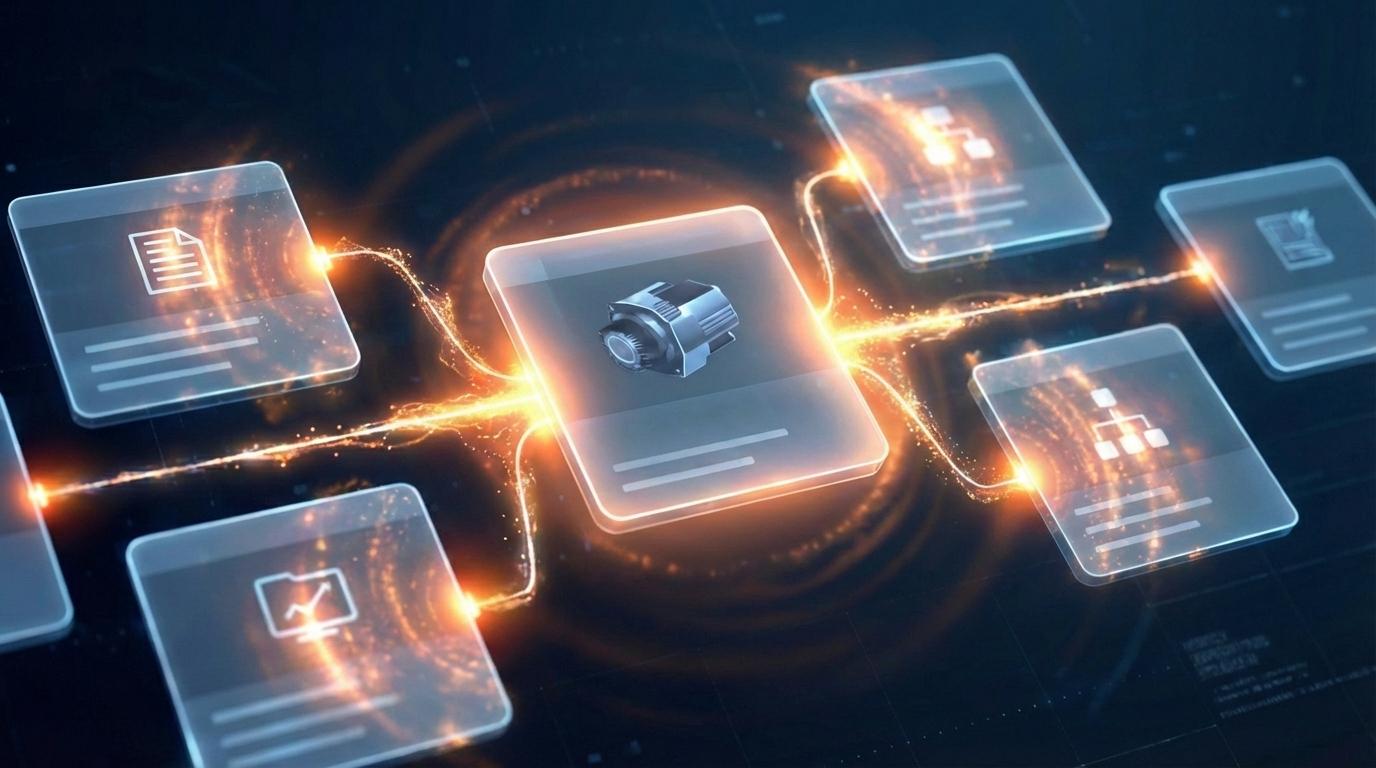
Software stocks lost nearly $1 trillion in value despite strong quarters. AI represents a paradigm shift, not an incremental software improvement.
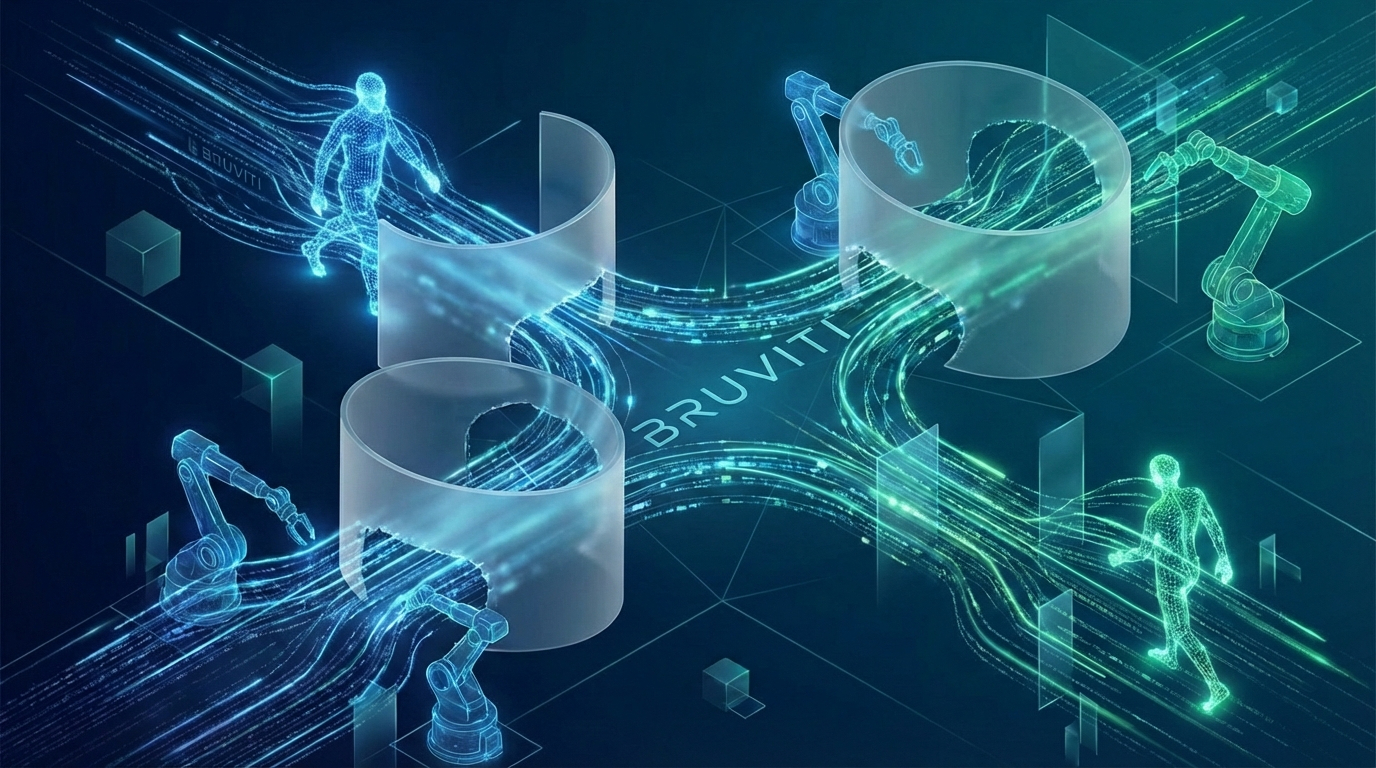
Function-scoped AI improves local efficiency but workflow-native AI changes cost-to-serve. The P&L impact lives in the workflow itself.
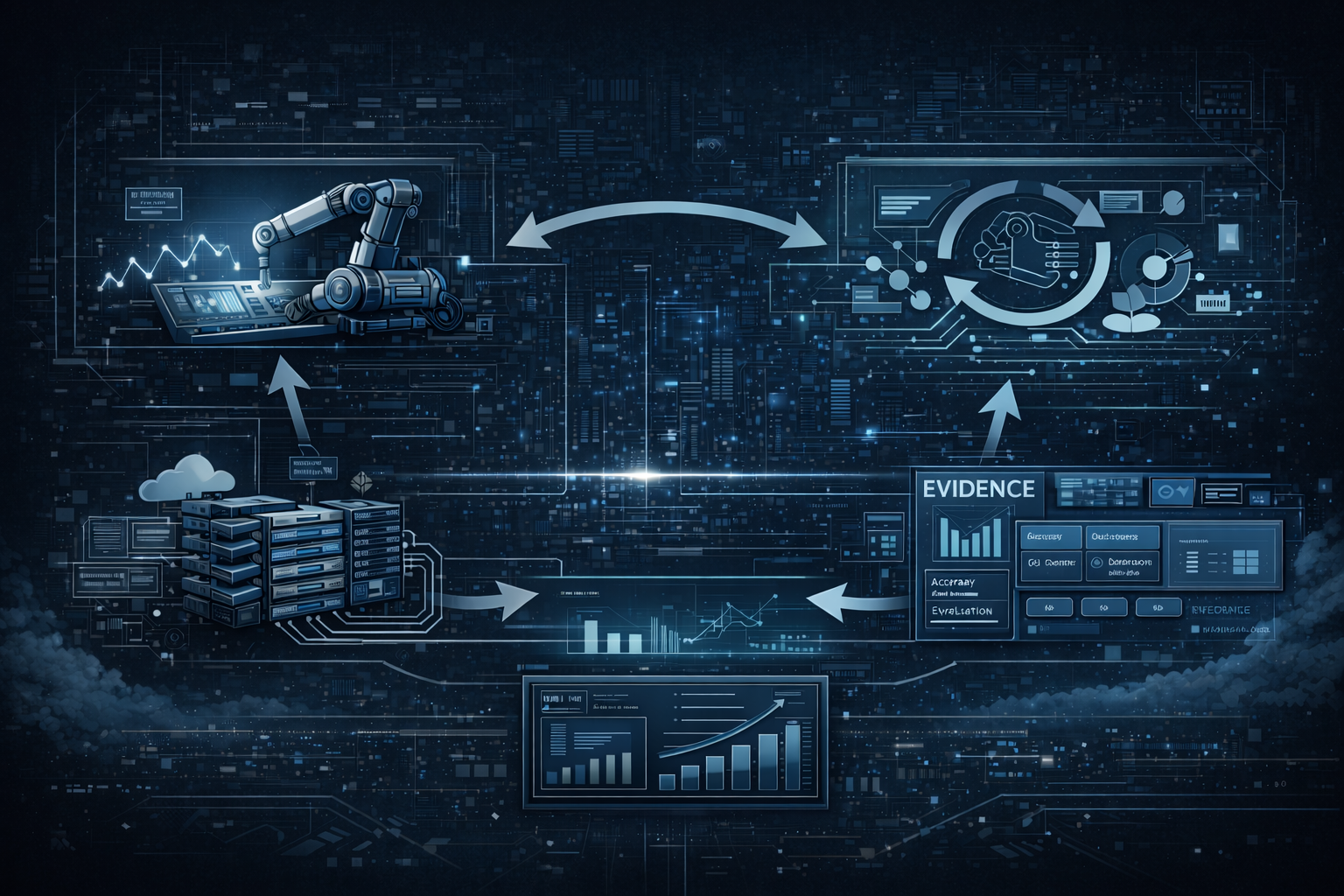
Five key shifts from deploying nearly 100 enterprise AI workflow solutions and the GTM changes required to win in 2026.
See how Bruviti integrates with your semiconductor equipment telemetry to reduce escalations and protect uptime.
Schedule Implementation Review