
When $1M-per-hour downtime meets $50M inventory, the wrong parts strategy kills your margin either way.
AI demand forecasting lets semiconductor fabs hold a 95-98%+ fill rate while cutting stockouts 40%, per Bruviti deployment data. Operators stop trading carrying cost against stockout risk: per-SKU forecasts right-size each buffer, so availability rises and excess inventory falls at the same time.
When lithography or etch tools go down waiting for parts, every hour of fab downtime costs seven figures. Stockouts on production-critical components cascade through your wafer schedule and destroy quarterly output targets.
Overstocking to avoid stockouts ties up tens of millions in capital across chamber kits, consumables, and spares. Dead inventory from obsolete process nodes and expired chemicals adds to the waste while reducing agility for new recipe ramps.
Chamber component wear rates vary by recipe, process intensity, and tool utilization. Traditional reorder points fail to account for nanometer-scale process drift, leading to emergency shipments that triple logistics costs and still arrive too late.
The right approach stratifies inventory by failure predictability and downtime impact. Production-critical components with unpredictable failure modes require safety stock. High-volume consumables with predictable wear patterns can run lean with automated replenishment triggered by process telemetry and usage data.
Bruviti's platform combines your installed base data, process logs, and supplier lead times to forecast parts demand by tool and location. The system identifies which chamber kits need buffer stock versus which can shift to predictive ordering, reducing carrying costs without increasing stockout risk.
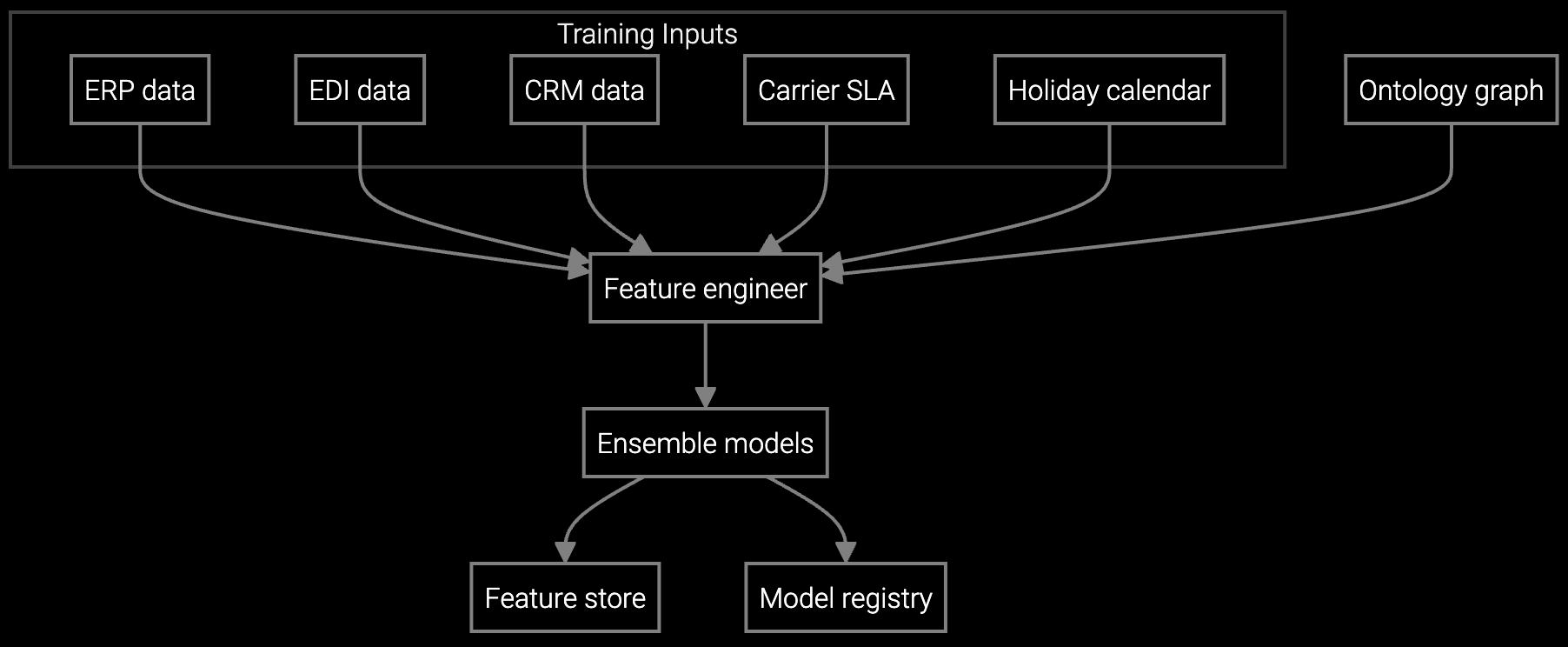
Forecast chamber kit demand by fab and tool type, aligning replenishment with process schedules to reduce carrying costs while maintaining uptime.
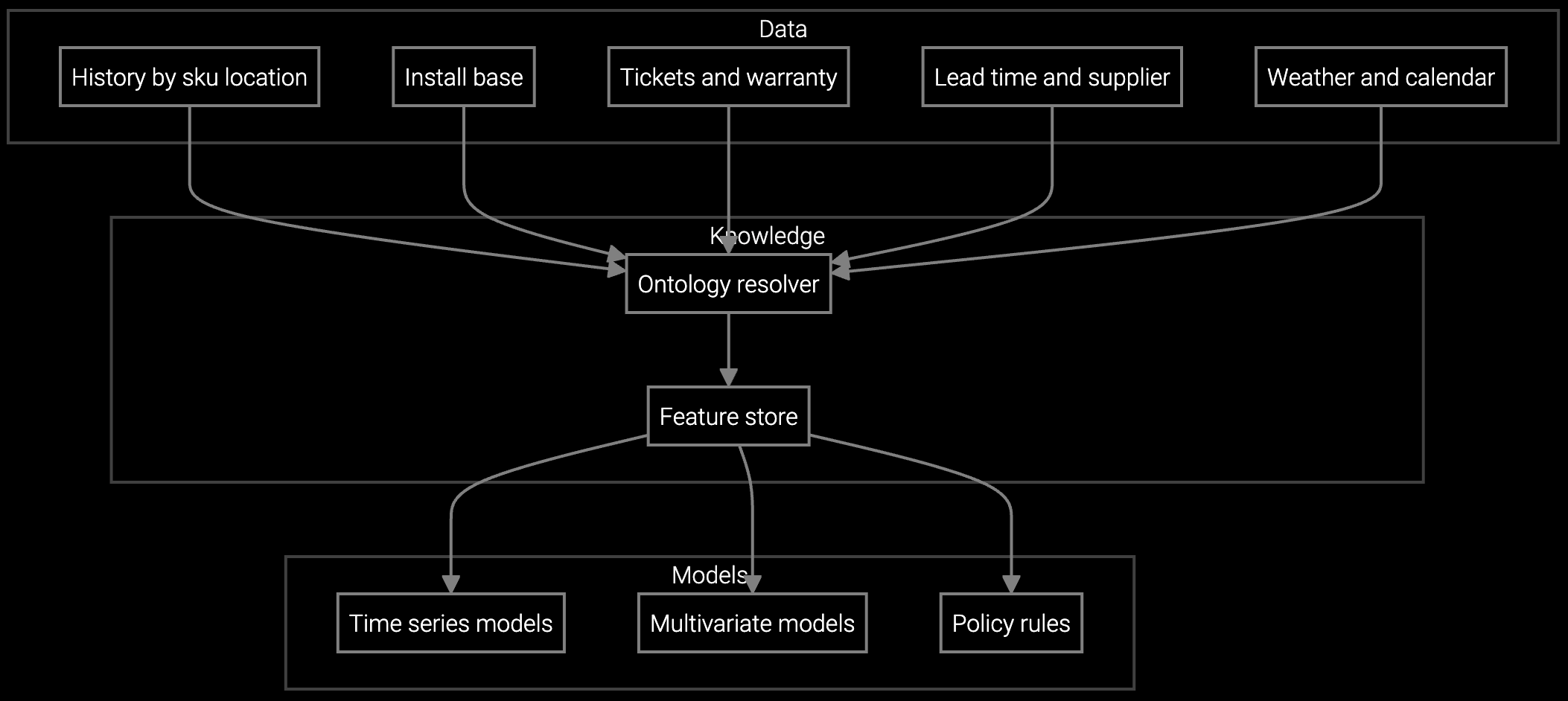
Project consumable usage based on wafer throughput, recipe intensity, and tool age to optimize stock levels across multiple fab locations.
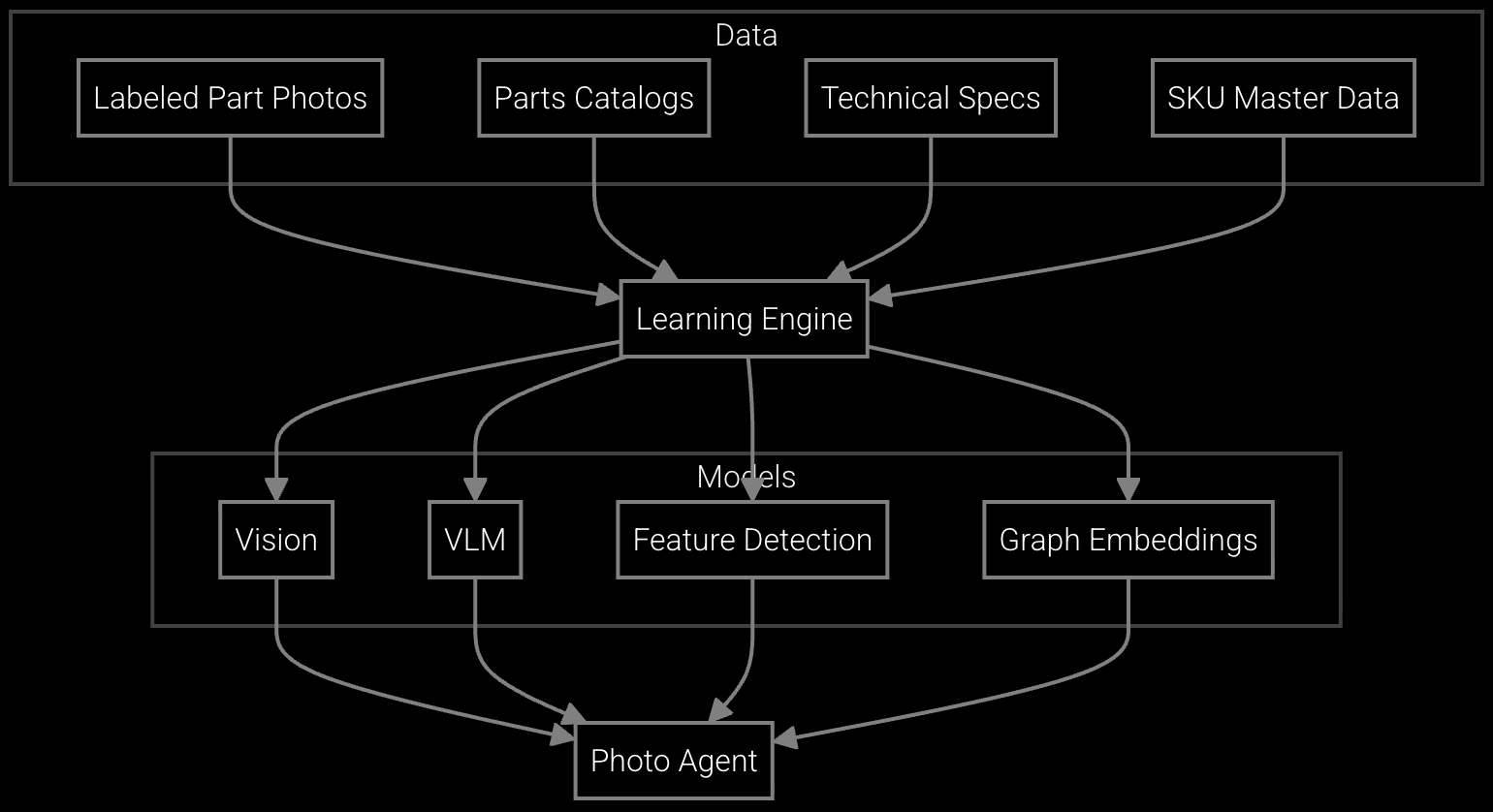
Snap a photo of a worn chamber component and instantly retrieve part number, current inventory levels, and lead time across your supply chain.
Semiconductor fabs face unique inventory challenges driven by extreme downtime costs, nanometer-precision requirements, and rapid process node transitions. Chamber components for EUV lithography and plasma etch tools represent both the highest downtime risk and the largest inventory investment, requiring a hybrid approach that balances availability against capital efficiency.
The platform analyzes tool telemetry, recipe parameters, and process engineer notes to stratify parts into risk tiers. Production-critical items maintain strategic buffer stock while high-turnover consumables shift to predictive replenishment, reducing total inventory value without compromising tool availability or OEE targets.
Safety stock calculations account for supplier lead time variability, historical failure rate distribution, and downtime cost per hour. For items with unpredictable failure modes and long lead times, buffer stock targets 99%+ availability. For predictable consumables, lower thresholds balance cost against replenishment cycle time.
Yes. The platform ingests recipe parameter changes and process intensity metrics from tool logs, adjusting consumption forecasts when new processes increase chamber component wear. This prevents stockouts during recipe ramps and reduces overstock when utilization patterns shift.
Run usage projections based on remaining wafer volume and tool retirement timelines. Shift to just-in-time ordering for legacy parts, reduce safety stock as production winds down, and identify substitute components that work across multiple node generations to consolidate inventory.
Dual-source strategies require maintaining stock for both suppliers initially. Track fill rate and lead time performance over six months to identify the reliable supplier, then shift primary stock to that source while keeping minimal backup inventory for the secondary supplier to manage supply risk without doubling carrying costs.
No. Chemicals and gases have expiration dates and storage constraints that mechanical parts don't face. These consumables require tighter just-in-time replenishment aligned with process schedules and batch sizes. Predictive ordering based on wafer throughput prevents both expired inventory and process interruptions from stockouts.

SPM systems optimize supply response but miss demand signals outside their inputs. An AI operating layer makes the full picture visible and actionable.
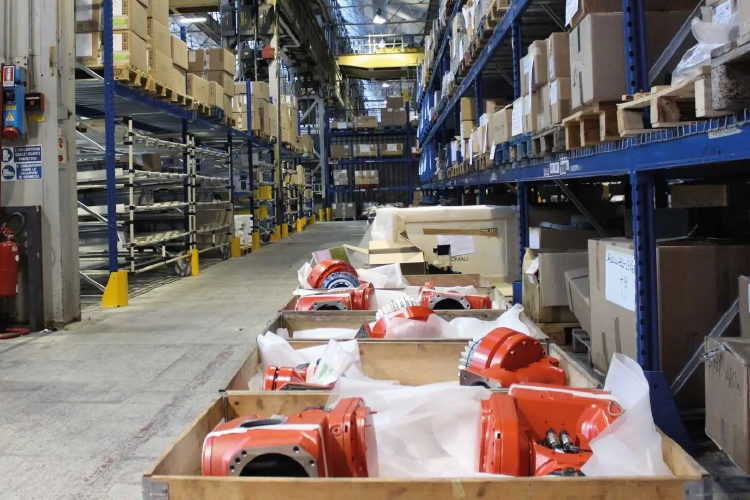
Advanced techniques for accurate parts forecasting.

AI-driven spare parts optimization for field service.
See how Bruviti helps semiconductor fabs reduce carrying costs while protecting uptime.
Schedule Demo