
Manual lookups and fragmented systems delay critical repairs when routers and switches fail.
Bruviti deployment data shows AI generates parts picklists at ≥85% precision, the trigger that lets builders automate ordering end to end for network equipment. The workflow predicts required parts per job, builds the picklist, and pushes the order without a planner in the loop, with precision high enough to trust automatic fulfillment.
Service teams toggle between ERP, warehouse management, and supplier portals to locate parts. Each system has different part numbering conventions, forcing manual cross-references that delay order placement.
Teams discover parts unavailability only after submitting orders, requiring emergency supplier escalations or expensive air freight. Network downtime extends while waiting for substitute approvals.
When primary parts are obsolete or unavailable, finding compatible substitutes requires engineering consultation. This knowledge lives in tribal memory, not systems, creating workflow delays and escalations.
Bruviti's platform provides REST APIs and Python SDKs that connect demand forecasting, inventory visibility, and substitute matching into a unified workflow. Engineers integrate these endpoints into existing service portals, RMA systems, or custom applications without vendor lock-in.
The architecture uses event-driven triggers that automate order placement when inventory drops below thresholds, push availability updates to service case screens, and suggest substitutes based on engineering compatibility data. All logic remains customizable through configuration files and webhook handlers that developers control.
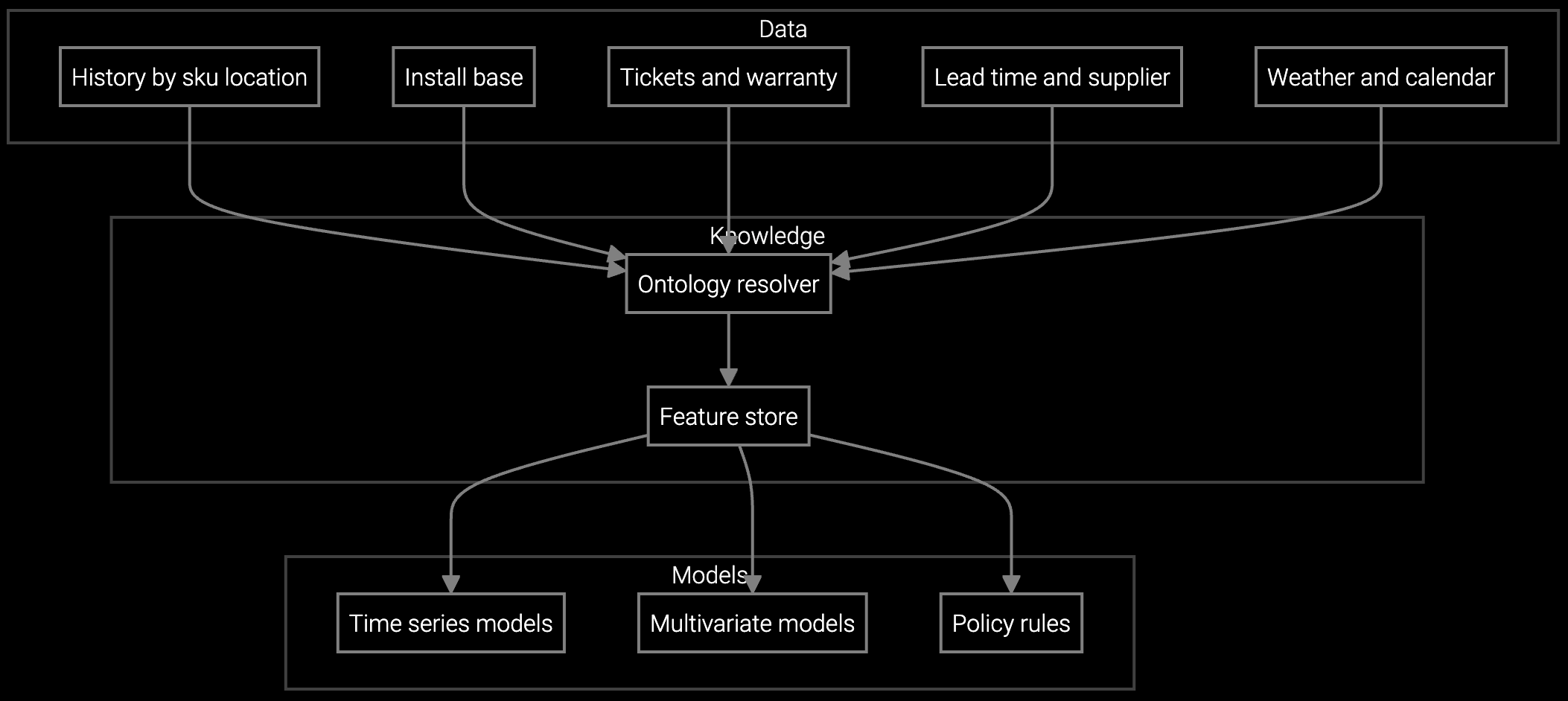
Projects router and switch component consumption based on installed base age and historical failure patterns to optimize regional warehouse stocking.
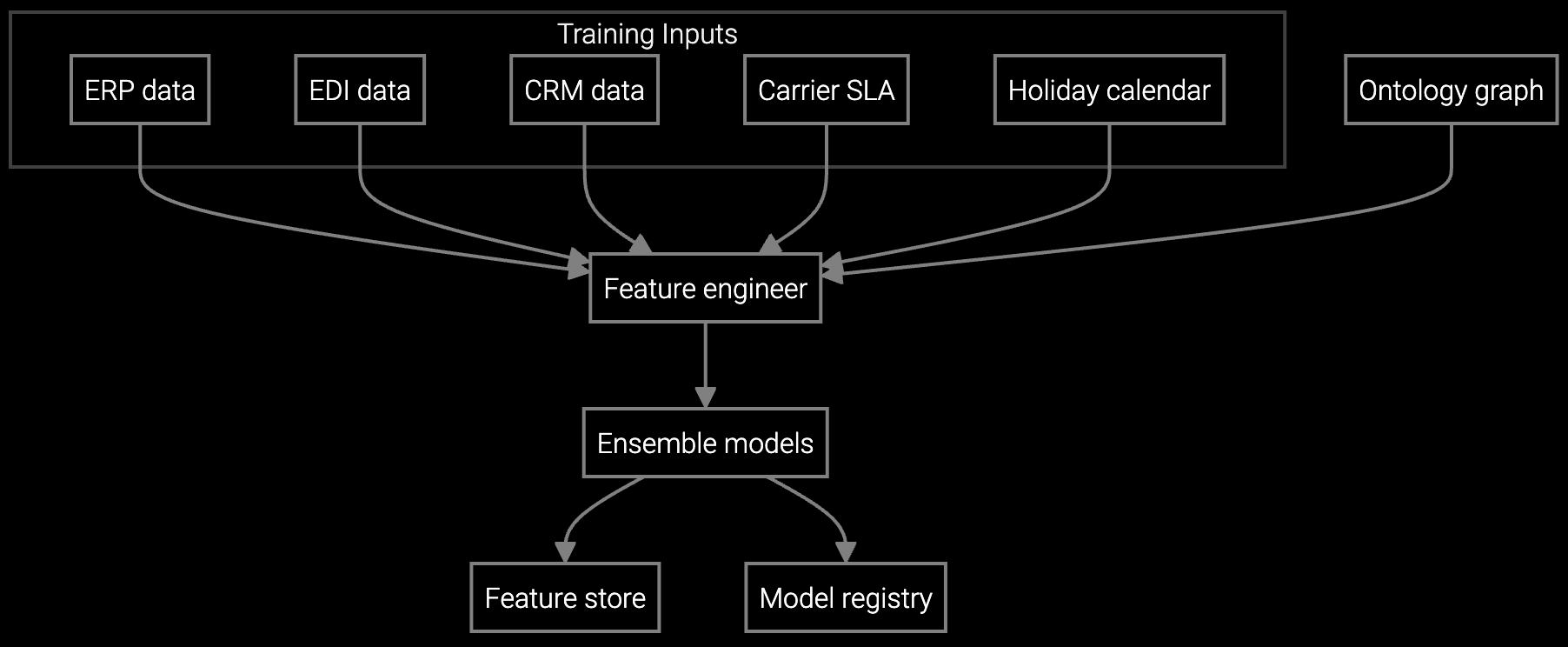
Forecasts demand by NOC location and time window to balance carrying costs against network uptime SLA requirements.
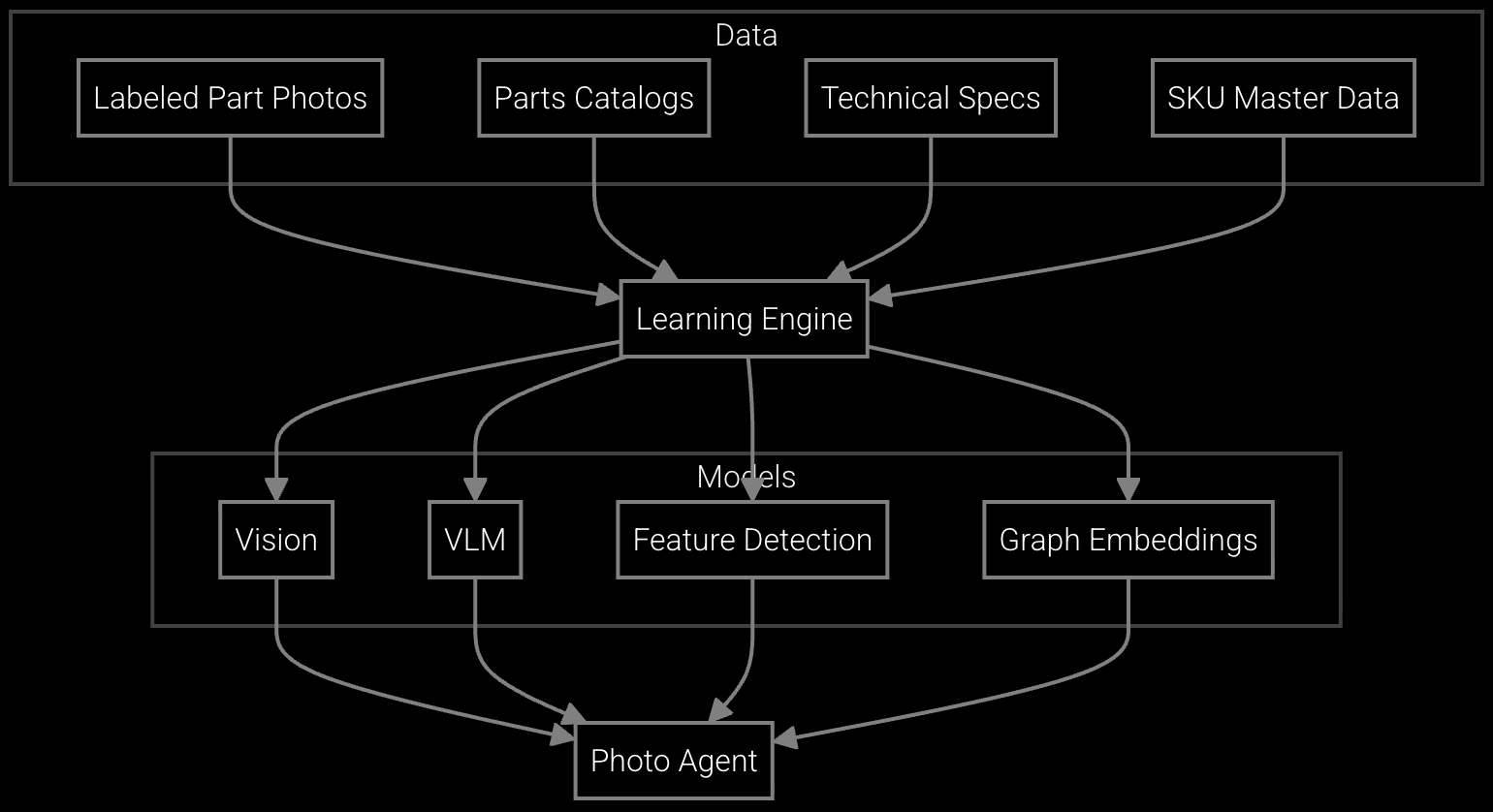
Snap a photo of a failed line card or power supply module and get instant part number identification plus substitute options if EOL.
Network equipment OEMs process thousands of RMAs monthly, each requiring parts lookups across global warehouses. Routers and switches have complex configurations with line cards, transceivers, and firmware-specific components that must match exactly. Manual workflows introduce 24-48 hour delays when parts teams verify compatibility and availability.
Automated inventory APIs eliminate these delays by instantly checking real-time stock across all depot locations, validating firmware compatibility through engineering data, and suggesting pre-approved substitutes when primary parts are EOL. The system integrates with SNMP device configs to auto-populate compatible replacement modules based on installed hardware profiles.
Yes. The platform exposes training parameters through configuration files, allowing you to adjust seasonality factors, failure rate curves, and installed base weighting per product family. You can deploy separate model instances for routers, switches, and optical transport with distinct forecast horizons.
The system ingests your engineering compatibility matrices via CSV upload or API sync. You define substitution rules using part attributes like form factor, firmware version, and power specs. The matching logic runs server-side but remains fully auditable through your custom rule definitions.
You'll need read access to SAP's inventory tables via OData or RFC calls, and write access to create purchase requisitions. The provided Python SDK includes SAP connector templates with authentication handling and error retry logic. Most implementations complete integration in 2-3 weeks.
Yes. The platform supports containerized deployment using Docker or Kubernetes. You host the inference engines within your datacenter and sync training data on your schedule. API endpoints remain identical whether deployed on-premises or in cloud.
You configure geographic restrictions through policy rules that filter inventory availability by shipping destination. The system respects these constraints during substitute matching and will only suggest parts approved for the target country. All restriction logic lives in your configuration files, not platform code.

SPM systems optimize supply response but miss demand signals outside their inputs. An AI operating layer makes the full picture visible and actionable.
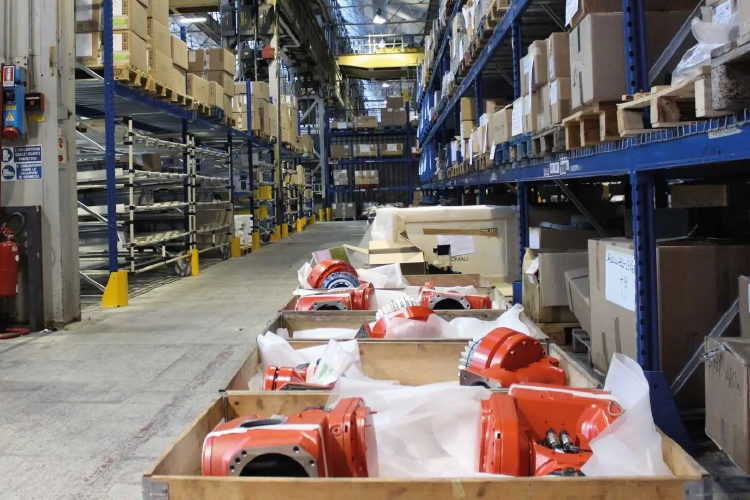
Advanced techniques for accurate parts forecasting.

AI-driven spare parts optimization for field service.
See how network equipment OEMs integrate Bruviti's APIs into existing service systems.
Schedule Technical Demo