
Appliance warranty teams face pressure to cut NFF rates and speed claims processing without adding headcount.
Bought warranty automation hits 95% coding consistency and auto-codes 75-85% of appliance claims immediately, per Bruviti deployment data. Building that consistency in-house takes months of tuning; buying gives your returns team a system already clearing claims in under 1 minute, so the decision comes down to time-to-value, not whether you can match the accuracy.
Manual entitlement verification and claims coding creates processing delays. Every day of backlog increases customer frustration and erodes warranty reserve accuracy.
Returns arrive with vague symptoms. Without diagnostic pre-screening, refurbishment centers waste time testing units that have no detectable fault.
Fraudulent claims slip through when manual reviewers lack time to cross-check purchase dates, symptom patterns, and repeat offenders across thousands of claims.
Building warranty automation in-house sounds appealing until you calculate the true cost. You need ML engineers to train fraud models, data scientists to build NFF predictors, and integration specialists to connect legacy warranty systems. Most appliance OEMs lack this bench strength and face 18-24 month build cycles.
Bruviti offers a hybrid path: buy pre-trained models for instant claims coding and entitlement verification, then customize fraud rules using your own claim history. The platform integrates via API with existing warranty systems, automating repetitive coding work while keeping your team in control of policy decisions. You get speed where it matters and flexibility where you need it.
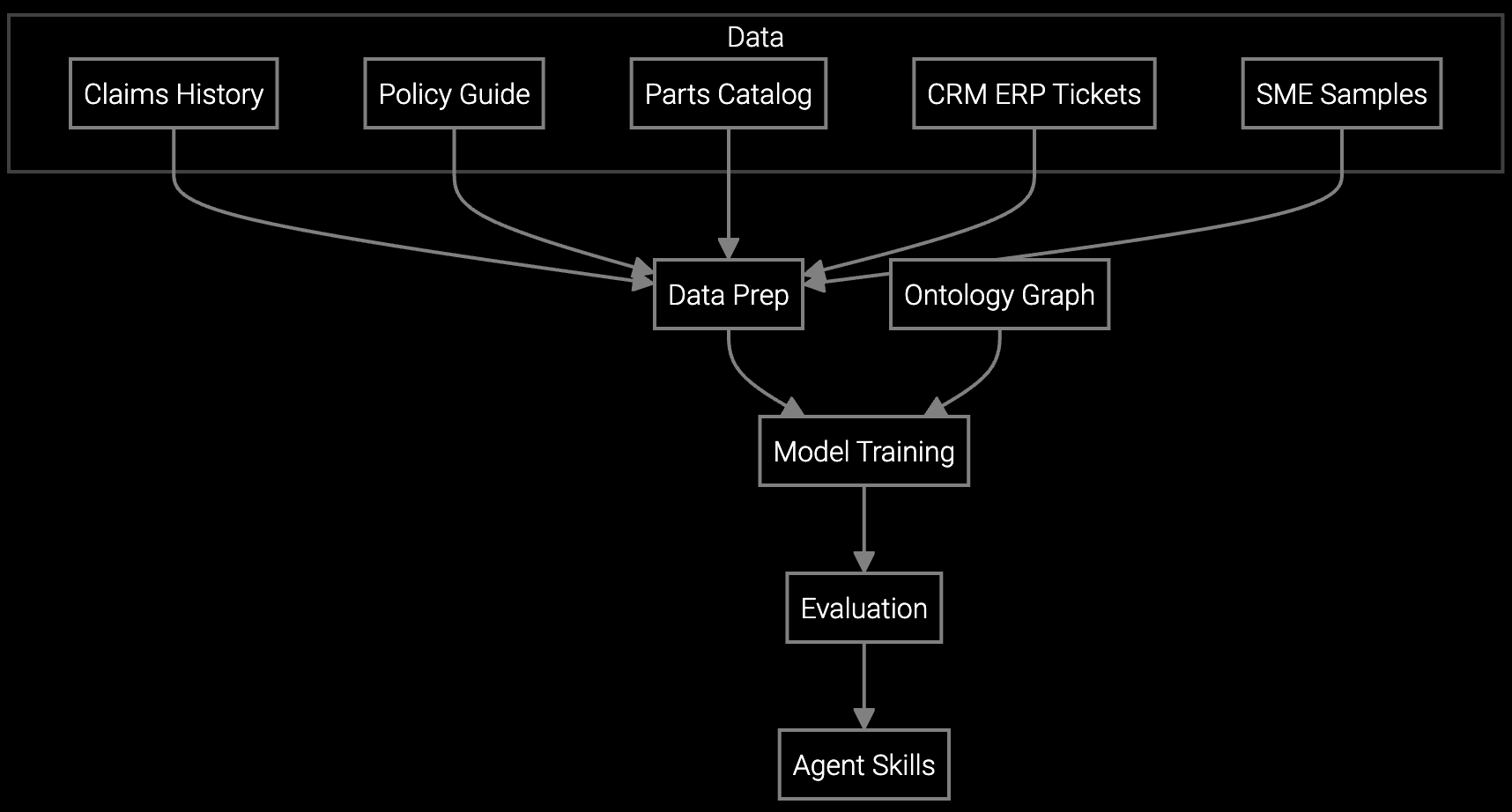
Automatically classify refrigerator, dishwasher, and HVAC claims by failure mode, reducing manual coding workload by 70% while improving warranty reserve accuracy.
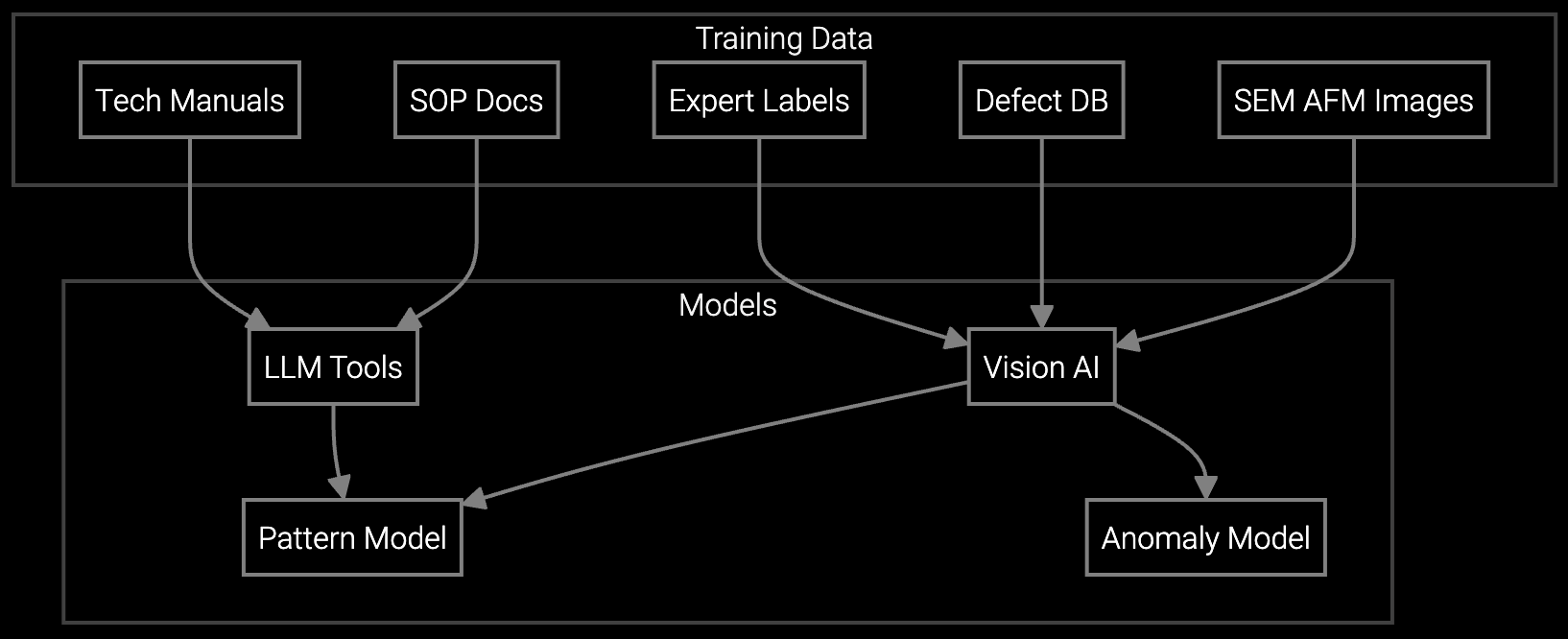
Analyze returned compressor and motor images to validate defect claims, catching fraudulent returns before refurbishment costs accumulate.
Appliance manufacturers process thousands of warranty claims monthly across refrigerators, dishwashers, washers, dryers, and HVAC systems. Each product line has distinct failure modes and warranty terms, making manual claims coding error-prone and slow.
Seasonal demand spikes for air conditioners and refrigerators create claim surges that overwhelm manual processing. Automation must handle volume fluctuations without sacrificing accuracy, especially during peak summer and winter months when warranty costs spike.
A platform like Bruviti deploys in 4-6 weeks, including integration with existing warranty systems and model training on your claim history. Building in-house typically requires 18-24 months to assemble the team, train models, and build integrations. Most appliance OEMs lack the ML talent pool needed for in-house builds.
Yes. Bruviti provides pre-trained fraud models that work out of the box, then lets you define custom rules based on your claim patterns. For example, you can flag repeat claimants for refrigerator compressors or set thresholds for HVAC warranty extensions. The platform learns from your decisions over time.
Bruviti uses an API-first architecture with open data standards. Your claim data, fraud rules, and model configurations export in standard formats. There are no proprietary data locks or integration dependencies that prevent migration. This differs from legacy warranty systems with closed architectures.
The platform analyzes symptom descriptions from customer service notes and compares them against known failure signatures for your appliance models. When symptoms don't match any validated defect pattern, it flags the claim for additional diagnostics before authorizing the return. This pre-screening catches user error and installation issues that would otherwise show up as NFF.
No. The platform integrates into your current workflow via API. Claims processors continue using their existing warranty system interface. The AI runs in the background, automatically coding claims, verifying entitlements, and flagging suspicious patterns. Your team reviews exceptions and approves recommendations without learning a new tool.
Software stocks lost nearly $1 trillion in value despite strong quarters. AI represents a paradigm shift, not an incremental software improvement.
Function-scoped AI improves local efficiency but workflow-native AI changes cost-to-serve. The P&L impact lives in the workflow itself.
Five key shifts from deploying nearly 100 enterprise AI workflow solutions and the GTM changes required to win in 2026.
Compare build vs buy timelines for your appliance warranty volume with Bruviti.
Schedule Strategy Review