
Manual claims adjudication drains margins while seasonal surges overwhelm warranty teams—automation is the only path to predictable reserve control.
End-to-end warranty automation auto-adjudicates 60-80% of appliance claims and auto-codes 75-85% at 95% consistency, per Bruviti deployment data. The workflow runs intake to payout with human review only on exceptions, so most claims close in under 1 minute and your analysts focus on the cases that move warranty cost and supplier recovery.
Without automated fraud detection and entitlement validation, invalid claims slip through—driving unpredictable warranty costs that erode service margins and force conservative reserve accruals.
Manual triage lacks the diagnostic depth to prevent unnecessary returns—resulting in high NFF rates that waste refurbishment capacity and trigger unnecessary replacements for working units.
Seasonal demand spikes expose the fragility of manual workflows—HVAC and refrigeration claims surge during weather extremes, creating backlogs that delay customer resolution and damage brand reputation.
Bruviti orchestrates the entire claims lifecycle—from initial submission through entitlement validation, fraud detection, RMA generation, and return disposition. The platform absorbs the manual adjudication workflow that currently consumes warranty operations teams, executing rule-based decisions autonomously while escalating only ambiguous cases that require human judgment.
For appliance OEMs managing thousands of models across decades of production runs, the AI validates warranty coverage against registration databases, cross-references symptom descriptions with known failure patterns, and flags suspicious claim patterns—all before a human ever touches the case. This shifts the workflow from human-executed processing to AI-executed adjudication with human oversight, collapsing claim cycle times while improving accuracy.
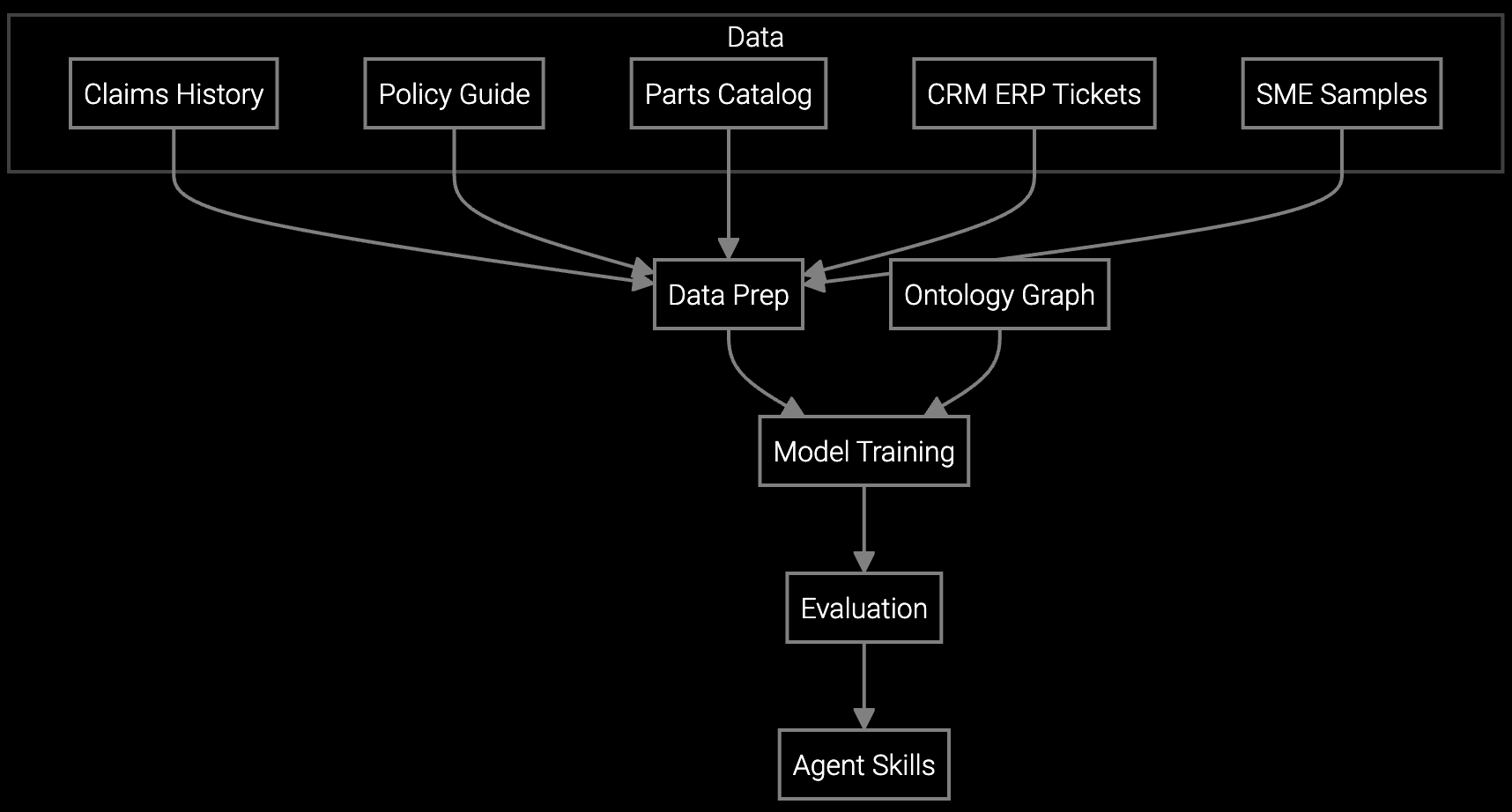
Auto-classifies and codes warranty claims for refrigerators, HVAC units, and washers—eliminating manual categorization and ensuring consistent claim routing across product lines.
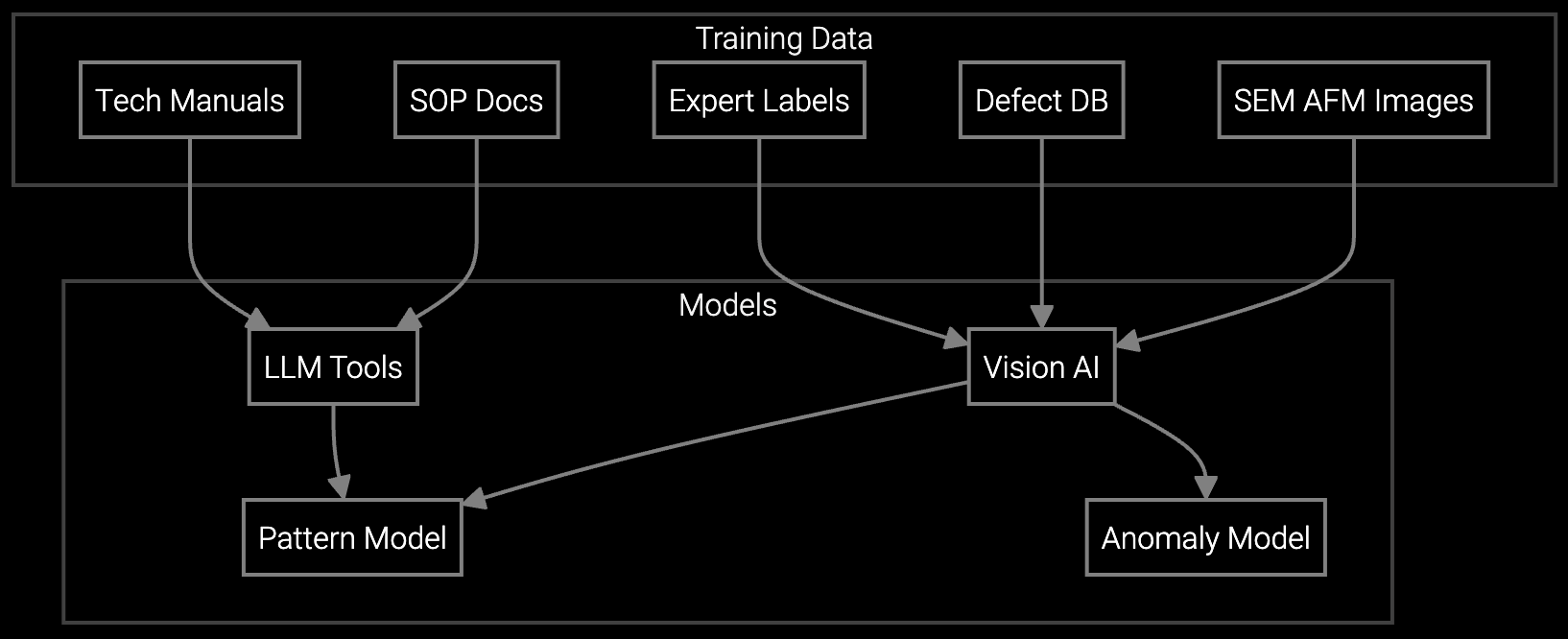
Analyzes images of returned compressor components and control boards to validate failure claims—reducing NFF rates for high-value component returns.
Appliance OEMs face predictable claim surges—air conditioner failures spike in summer heat waves, refrigerator claims increase during holiday cooking seasons, and water heater returns climb in winter. Manual workflows collapse under this seasonality, creating backlogs precisely when customer urgency is highest.
Automated claims processing absorbs seasonal volatility without adding headcount. The AI scales instantly when HVAC claims double during a heat wave, maintaining consistent processing times regardless of volume. This protects customer satisfaction during peak demand while eliminating the cost of maintaining excess capacity for seasonal spikes.
By validating entitlement before authorizing returns and detecting fraud patterns that manual review misses, automated processing prevents invalid claims from reaching the reserve pool. Lower claim approval rates combined with reduced NFF rates make warranty costs more predictable, allowing finance to reduce conservative reserve buffers that tie up capital.
For appliance OEMs, 60-70% of claims are straightforward—valid entitlement, clear failure symptoms, no fraud indicators. These can be auto-approved and routed to RMA generation. The remaining 30-40% require human judgment for ambiguous symptoms, expired warranty edge cases, or high-value component returns. The workflow shifts from humans processing every claim to humans reviewing only exceptions.
The AI scales processing capacity instantly—a 3x surge in air conditioner claims during a heat wave triggers no backlog because there's no manual bottleneck. The platform processes claims at the same speed whether handling 100 or 10,000 cases per day, maintaining consistent turnaround times during peak seasons when customer urgency is highest.
The platform requires access to warranty registration databases, model/serial number repositories, and historical failure pattern data. For connected appliances, IoT telemetry feeds enhance fraud detection by validating that reported symptoms match actual device behavior. Integration typically takes 2-4 weeks for standard warranty systems.
The AI applies deeper diagnostic logic than manual triage—matching customer symptom descriptions against known failure modes, identifying troubleshooting steps that might resolve the issue without return, and detecting vague claims that indicate user error rather than product defect. This pre-return filtering prevents unnecessary RMAs for units that are functioning correctly.
Software stocks lost nearly $1 trillion in value despite strong quarters. AI represents a paradigm shift, not an incremental software improvement.
Function-scoped AI improves local efficiency but workflow-native AI changes cost-to-serve. The P&L impact lives in the workflow itself.
Five key shifts from deploying nearly 100 enterprise AI workflow solutions and the GTM changes required to win in 2026.
Reduce processing time by 60% and reclaim margin lost to manual claims adjudication.
Schedule Demo