
AI Customer Service for Appliances: Auto-Summarize 85% of Cases in Under 7 Sec
High case volumes and thin margins demand efficient integration—not another proprietary platform to maintain.
In Brief
AI agent-assist auto-summarizes 85% of appliance support cases in under 7 seconds, per Bruviti deployment data, so agents skip manual case write-ups and resolve faster. Builders wire Bruviti's case-summary and knowledge retrieval into the existing CRM, giving every agent instant, grounded context on the customer and the appliance.
Implementation Challenges for Appliance Contact Centers
Fragmented Data Sources
Agents need context from warranty systems, IoT telemetry, parts catalogs, and CRM records. Building custom integrations to each system creates maintenance burden and brittle connections.
Proprietary Platform Lock-In
Legacy contact center platforms trap you in closed ecosystems with limited extensibility. Custom workflows require expensive professional services and cannot be version-controlled in your own repository.
Black Box AI Models
Pre-trained models fail on appliance-specific failure modes and symptom patterns. You cannot retrain on your historical case data or adjust classification logic when the model misroutes refrigeration cases to HVAC specialists.
API-First Architecture for Custom Service AI
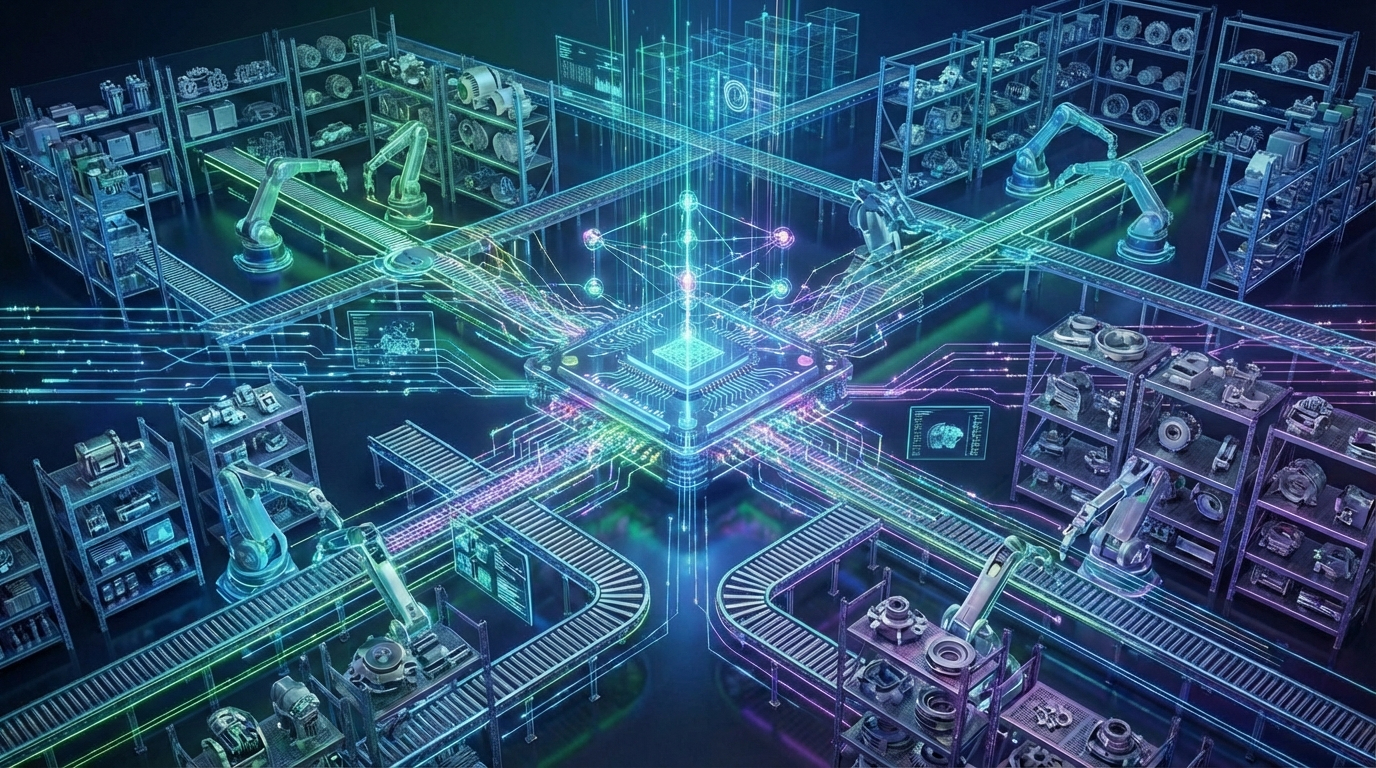
Bruviti provides headless APIs and Python SDKs so you build service intelligence into your existing stack. Connect appliance telemetry streams, warranty entitlement databases, and parts catalogs through standard REST endpoints. Train custom models on your historical case data using your own Python notebooks—no vendor professional services required.
The platform exposes case classification, knowledge retrieval, and response generation as discrete API calls. Route results to your CRM, trigger workflows in your ticketing system, or surface recommendations in your agent copilot. All integration code lives in your repository under your version control. Switch orchestration layers or swap out components without rebuilding the entire contact center stack.
Technical Integration Benefits
- +
Deploy in 4-6 weeks using standard Python libraries and existing data pipelines.
- +
Reduce agent handle time by 38% through context-aware knowledge retrieval APIs.
- +
Own your trained models with full export rights and local inference options.
See It In Action
Email Case Resolution
Automatically classify refrigerator error codes from customer emails and route to warranty validation APIs before agent assignment.
Service Diagnostics & Triage
Train custom symptom classifiers on 5 years of dishwasher case history to predict part failures before dispatch.
Customer Case Summarization
Call summarization API ingests transcripts and generates structured JSON with detected model numbers and failure symptoms.
Integration Patterns for Appliance Contact Centers
Real-Time Data Pipeline Architecture
Appliance manufacturers handle 50,000+ daily contacts during peak HVAC and refrigeration seasons. Connect IoT telemetry streams from connected appliances directly to case context APIs. When a customer calls about a refrigerator issue, the agent sees last 30 days of temperature fluctuations and compressor cycle counts pulled from the appliance's cloud connection.
Integrate warranty entitlement databases through batch sync APIs that refresh daily. The knowledge retrieval endpoint queries parts catalogs, service bulletins, and historical case resolutions simultaneously—returning ranked answers with source citations in under 200ms. Route all responses through your existing CRM's case management system to maintain single source of truth.
Implementation Roadmap
- +
Start with refrigerator error code classification—highest case volume and clearest diagnostic patterns.
- +
Connect your SAP warranty system via REST adapter to enable real-time entitlement validation.
- +
Track first contact resolution lift within 60 days using existing CRM reporting dashboards.