Replace Manual Log Analysis in Industrial Remote Support: 70% Get Cause Suggestions
When CNC machines fail at 2 AM, your support engineers can't wait hours parsing PLC codes and SCADA logs while your customer's production line sits idle.
In Brief
Bruviti deployment data shows AI surfaces top-three cause suggestions on at least 70% of incidents at 85% precision for industrial equipment remote support. Operators stop reading raw logs line by line, because the system reads telemetry and history and hands the support desk a ranked, accurate shortlist of likely failure causes.
Why Manual Log Analysis Creates Remote Support Bottlenecks
Hours Lost to Log Parsing
Support engineers manually correlate PLC codes, pressure sensor readings, and vibration patterns across thousands of log entries. For legacy equipment with sparse documentation, this detective work can take an entire shift while the customer's production line waits.
Knowledge Silos Block Resolution
Only senior engineers recognize subtle patterns in SCADA signals or know which serial number ranges have unique failure modes. When they're unavailable, complex remote sessions escalate unnecessarily or drag on for hours.
Blind Escalations Waste Resources
Without clear root cause from remote diagnostics, support engineers escalate to field service based on guesses. This creates unnecessary dispatches when the issue could have been resolved remotely with better diagnostic visibility.
How AI Accelerates Remote Diagnostics
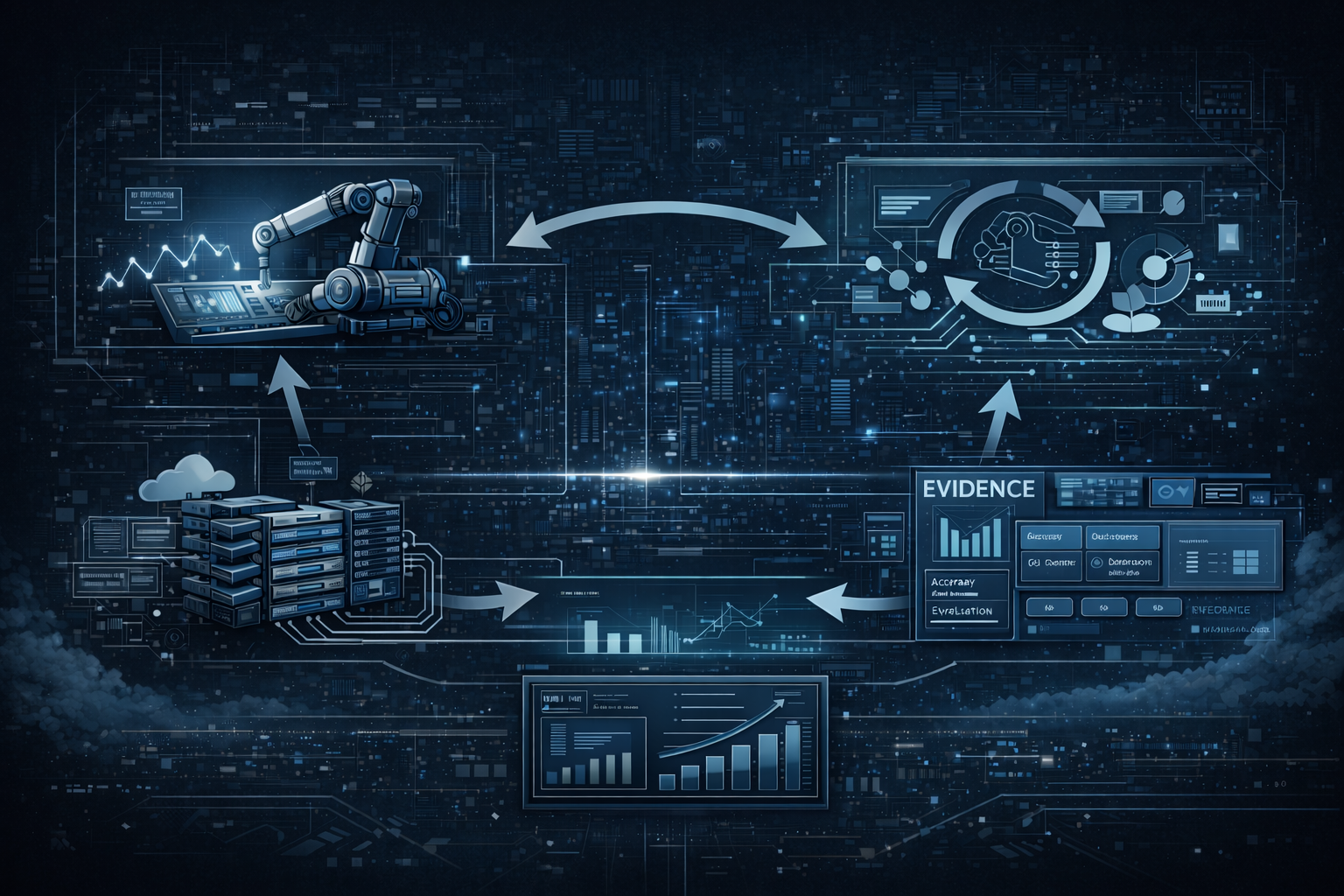
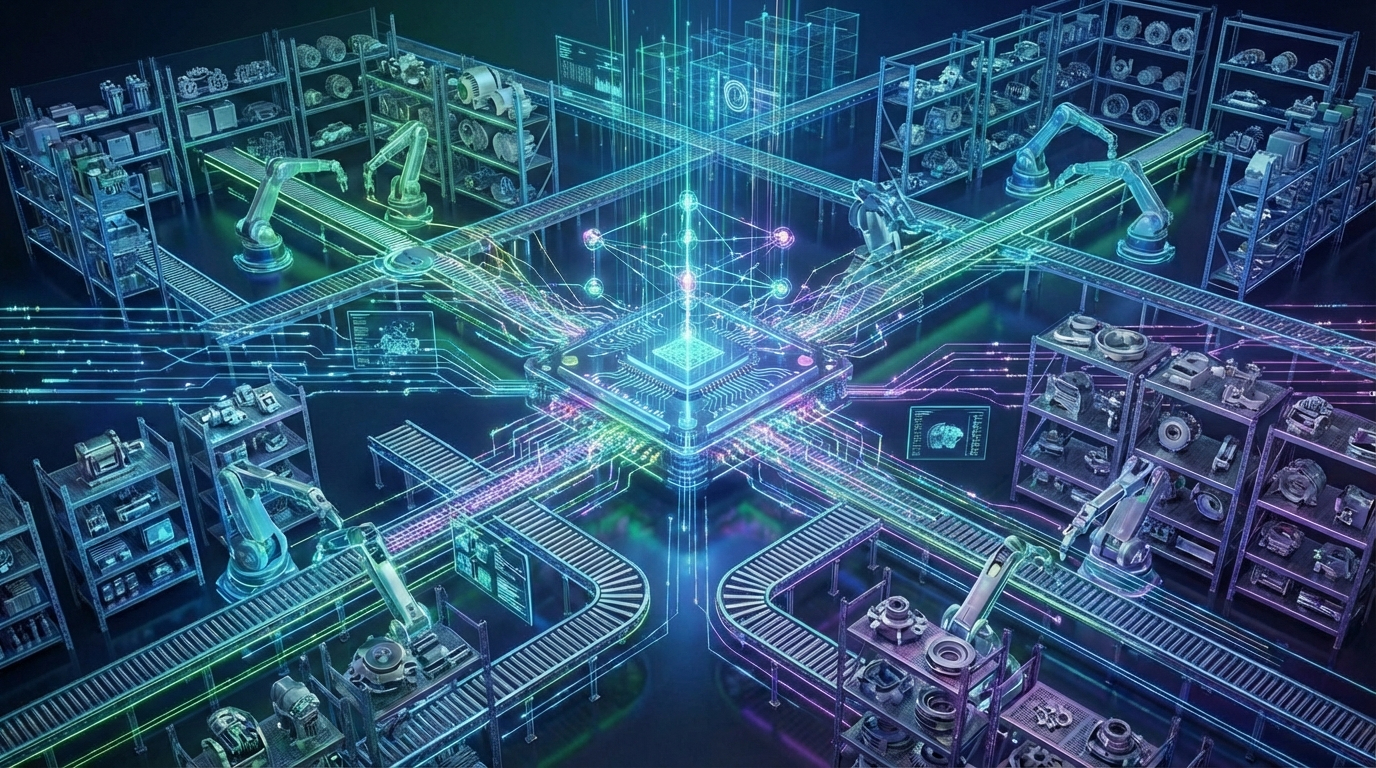
Bruviti's platform automates the log analysis work that bogs down remote support sessions. When a support engineer connects remotely to troubleshoot industrial equipment, AI instantly parses PLC codes, SCADA signals, vibration data, and temperature readings across the equipment's complete service history.
The system presents root cause analysis with supporting evidence from similar failures across your installed base. Support engineers see the diagnosis, recommended resolution steps, and required parts in seconds. This eliminates hours of manual correlation and democratizes senior engineer expertise across your entire remote support team.
Faster Resolution Through Automation
Remote Support for Industrial Equipment OEMs
Handling Legacy Equipment Complexity
Industrial equipment with 10-30 year lifecycles presents unique remote support challenges. Documentation for decades-old CNC machines, compressors, or material handling systems is often incomplete. PLC codes and SCADA signals vary by serial number range. Vibration signatures that indicate bearing wear in one production run behave differently in another.
AI trained on your complete service history recognizes these patterns automatically. When a support engineer connects remotely to a 15-year-old press brake, the platform immediately surfaces relevant failures from similar equipment, known firmware quirks for that serial range, and successful resolution patterns. This makes every remote session feel like your most experienced engineer is guiding the diagnosis.
Implementation Priorities
- +
Start with your highest-volume equipment lines generating frequent remote sessions to build diagnostic models quickly.
- +
Connect PLC historians and SCADA systems to enable real-time telemetry correlation during live remote support sessions.
- +
Track remote resolution rate and escalation rate improvements monthly to quantify reduced field service dispatch costs.