
Deploy AI Remote Support on Industrial Equipment: 20 to 30% Faster Resolution
Legacy machinery generates non-standard telemetry streams that require custom parsers before AI can assist with diagnostics.
In Brief
Bruviti deployment data shows AI remote support cuts fault resolution 20 to 30% and auto-triages 60% of faults on industrial equipment. Builders wire equipment logs, telemetry, and service history into one diagnostic layer, so a remote session opens with the likely cause already surfaced instead of starting from a blank screen.
Implementation Challenges
Fragmented Data Sources
Industrial equipment telemetry arrives from PLCs, SCADA historians, and proprietary controllers using incompatible protocols. Support engineers manually collect data across systems before diagnosis begins.
Unstructured Log Formats
Equipment logs contain decades of format variations. Support engineers spend hours parsing controller outputs to identify error sequences relevant to the current failure.
Tool Integration Gaps
Existing remote access platforms capture session context but provide no API to feed insights into your workflow. Resolution knowledge stays trapped in closed tools.
Headless Architecture for Remote Diagnostics
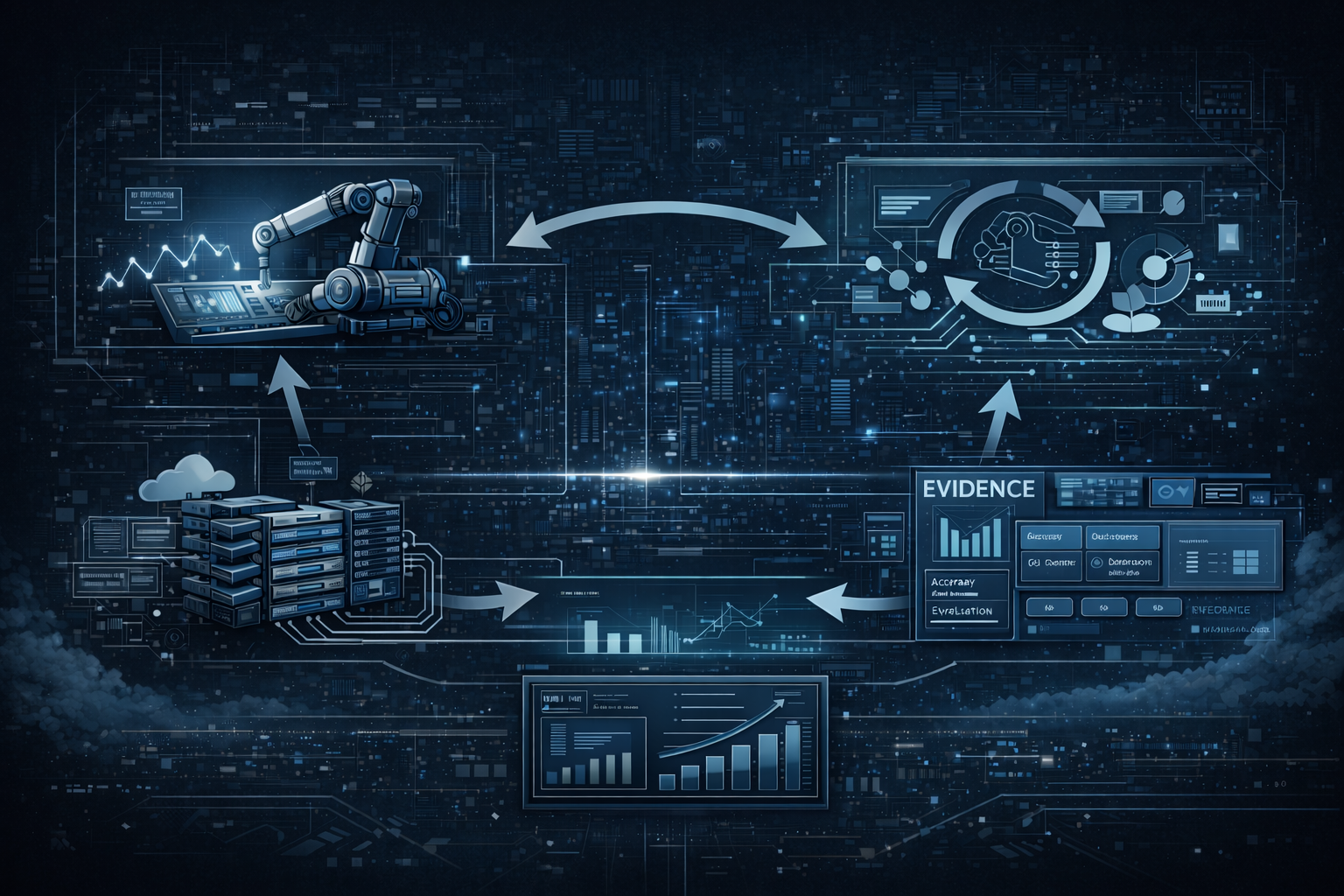
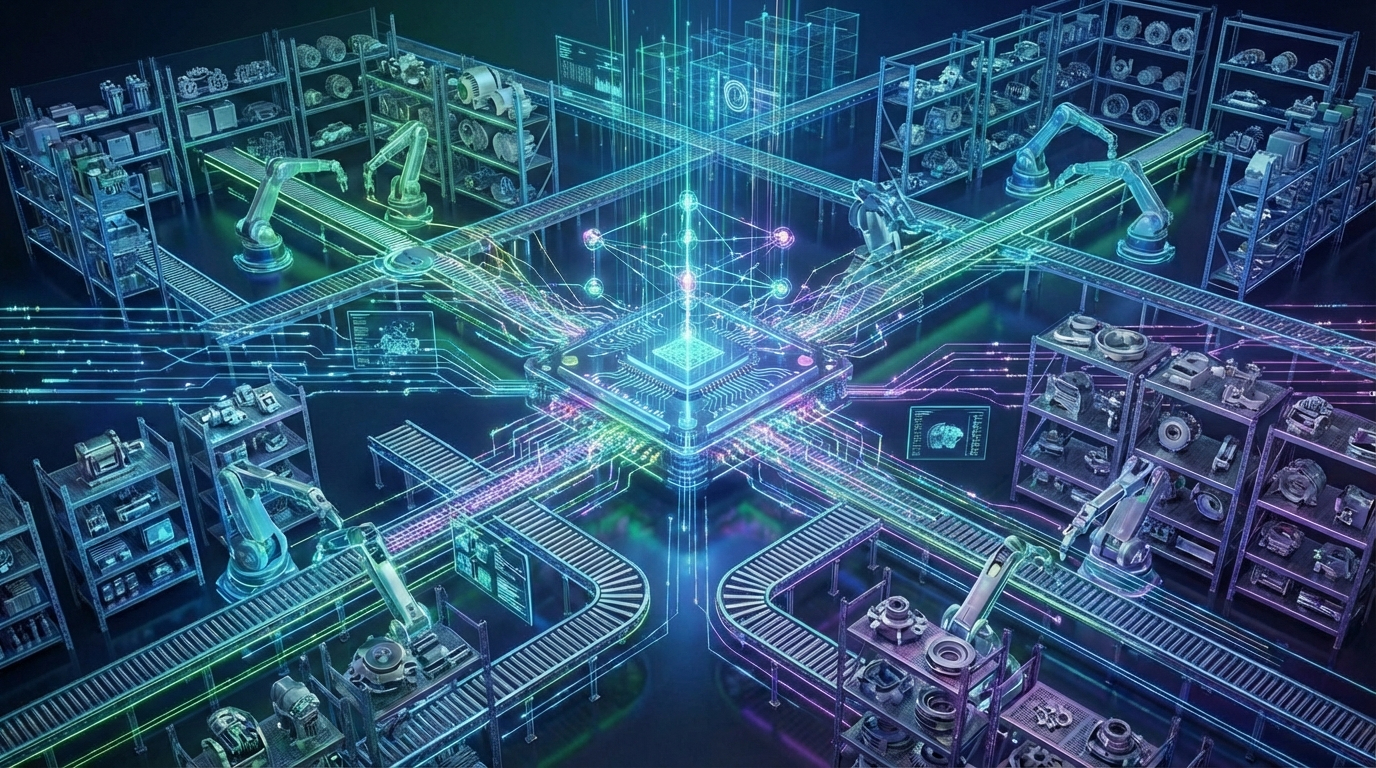
Bruviti provides Python and TypeScript SDKs that connect your existing SCADA systems and remote tools to AI-powered diagnostics. The platform ingests telemetry from OPC-UA servers, Modbus controllers, and proprietary PLCs without requiring middleware. You write custom parsers for equipment-specific log formats, then feed normalized data into pre-trained models that identify failure patterns.
The API layer sits between your remote session tools and internal case management systems. When a support engineer initiates a remote session, the platform automatically correlates live telemetry with historical failure data, surfaces relevant troubleshooting steps, and populates session notes with structured diagnostics. You control the integration points and retain full ownership of telemetry data stored in your infrastructure.
Developer Benefits
- +
Deploy custom telemetry parsers in 2-3 days using Python libraries designed for industrial protocols.
- +
Reduce remote session duration by 40% through automated log correlation and guided workflows.
- +
Avoid vendor lock-in with API-first design that integrates with TeamViewer, LogMeIn, or custom tools.
Industrial Manufacturing Implementation
Integration Architecture
Industrial equipment manufacturers deploy Bruviti's SDK layer between legacy SCADA historians and modern remote session platforms. The integration connects to OPC-UA servers collecting vibration, temperature, and pressure data from CNC machines, compressors, and turbines. Python parsers normalize decades of proprietary log formats into structured JSON that AI models consume during remote diagnostics.
Support engineers use existing remote tools to access equipment controllers. When a session begins, the platform queries historical telemetry for similar failure signatures across the installed base. The API returns relevant troubleshooting workflows ranked by likelihood, reducing the need to escalate complex issues to senior engineers who understand legacy systems.
Implementation Path
- +
Start with high-value equipment where remote resolution saves the most: CNC machines or automation lines.
- +
Connect existing OPC-UA or Modbus data feeds to ingest real-time sensor data without hardware changes.
- +
Track remote resolution rate improvement over 90 days to quantify reduced escalations and session duration.