
Chamber kit shortages cost fabs $1M+ per hour—manual tracking can't keep pace with sub-5nm production demands.
Real-time AI inventory sync for semiconductor parts holds a 95-98%+ fill rate with 40% fewer stockouts, per Bruviti deployment data. Operators connect part lookups to live stock and demand data so the right parts are reserved before dispatch, keeping fab service teams from chasing missing components.
Tool PMs get scheduled before anyone checks if chamber kits are in stock. By the time the shortage is discovered, the tool is already down and production is halted.
Critical consumables are spread across fab storerooms, supplier warehouses, and regional depots. No one screen shows what's available where or how fast you can get it.
When the primary part is out of stock, finding a compatible alternative requires calling suppliers or digging through engineering specs. Every minute spent searching extends tool downtime.
Bruviti's platform connects directly to your parts management system, equipment telemetry feeds, and service queue. Instead of manually checking stock levels before every PM or reactive repair, the system automatically pulls live inventory data, calculates consumption rates based on tool usage patterns, and pushes alerts when reorder thresholds are approaching.
The integration surfaces substitute part options directly in the service workflow. When a primary chamber kit component is out of stock, the platform cross-references engineering specs, supplier catalogs, and past usage history to recommend compatible alternatives—complete with availability, lead time, and pricing. No phone calls, no PDF searches, no guessing.
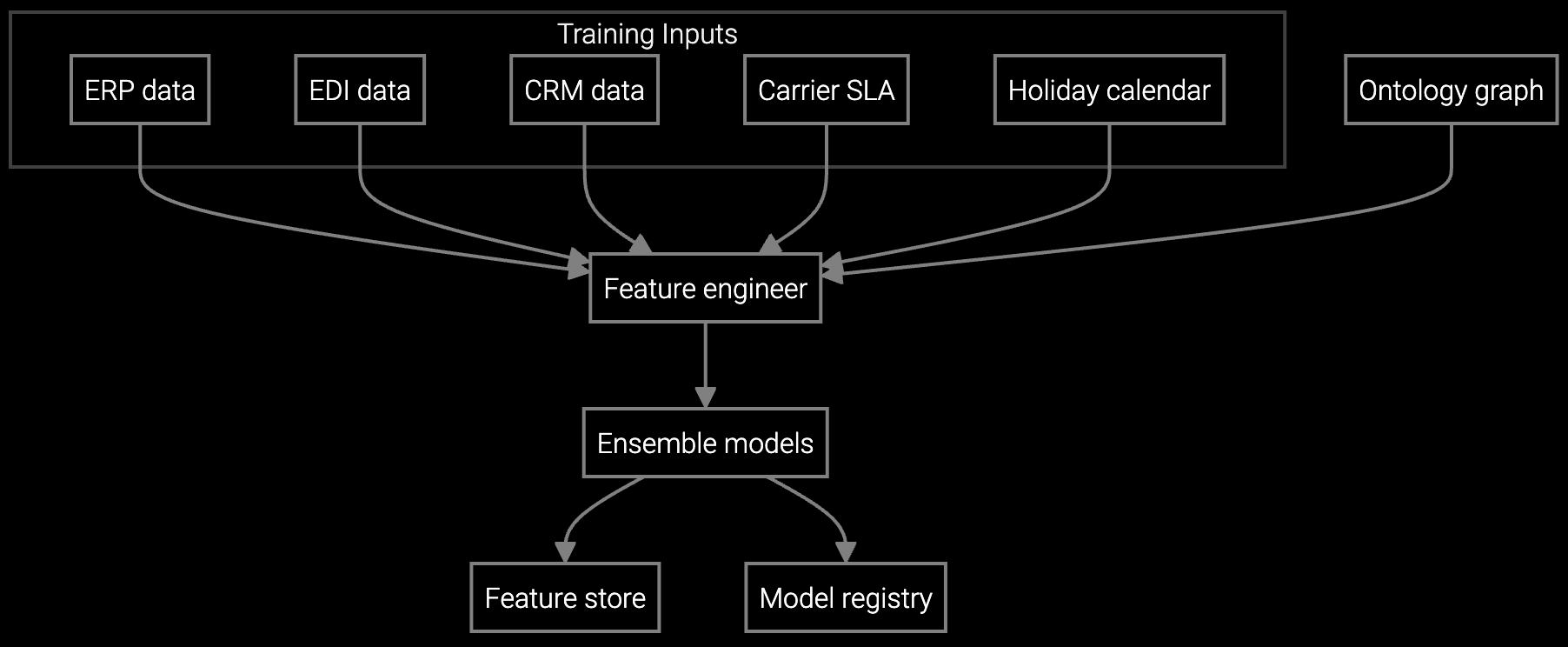
Forecast chamber kit demand based on tool cycle counts and PM schedules, optimizing stock levels across fab locations.
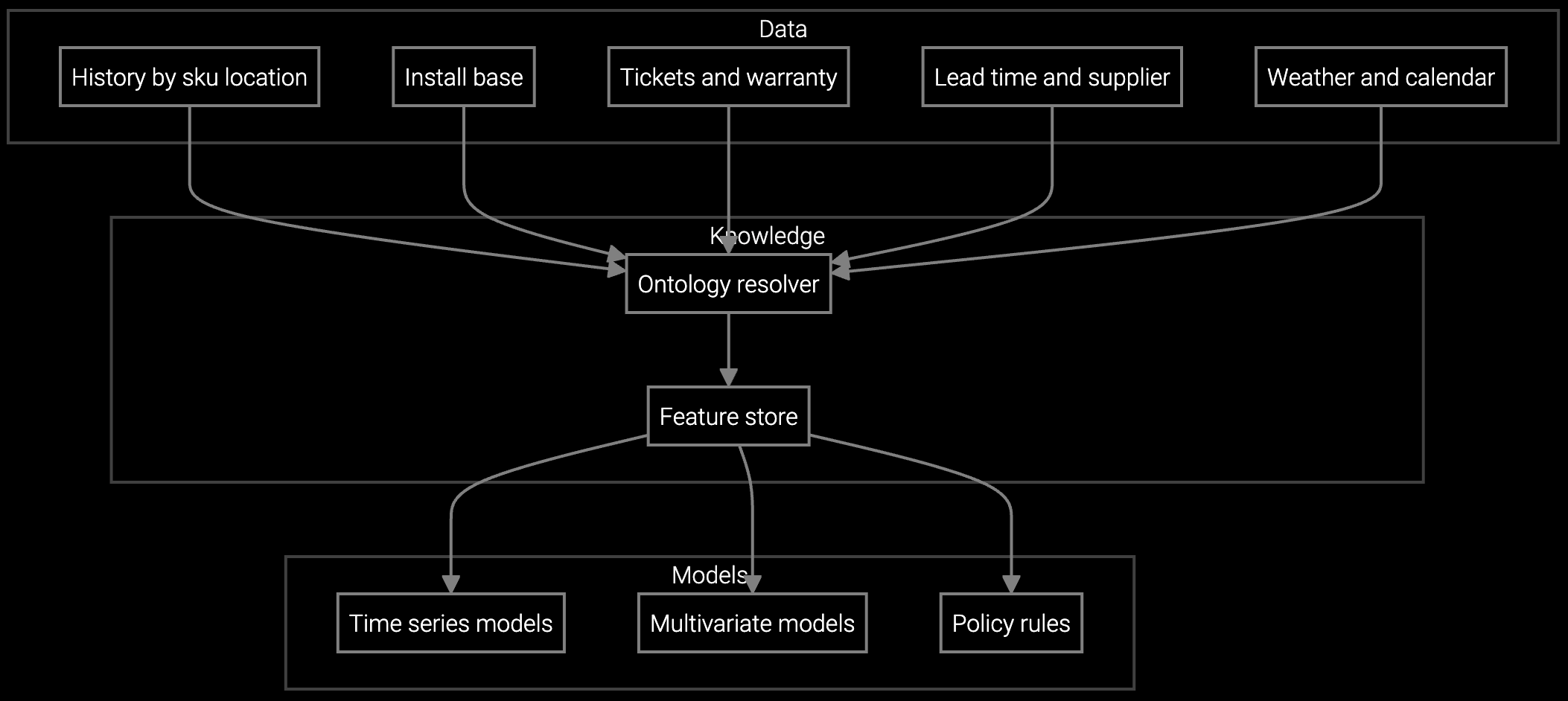
Project consumable needs by tool type and wafer throughput, reducing carrying costs while maintaining 95%+ availability.
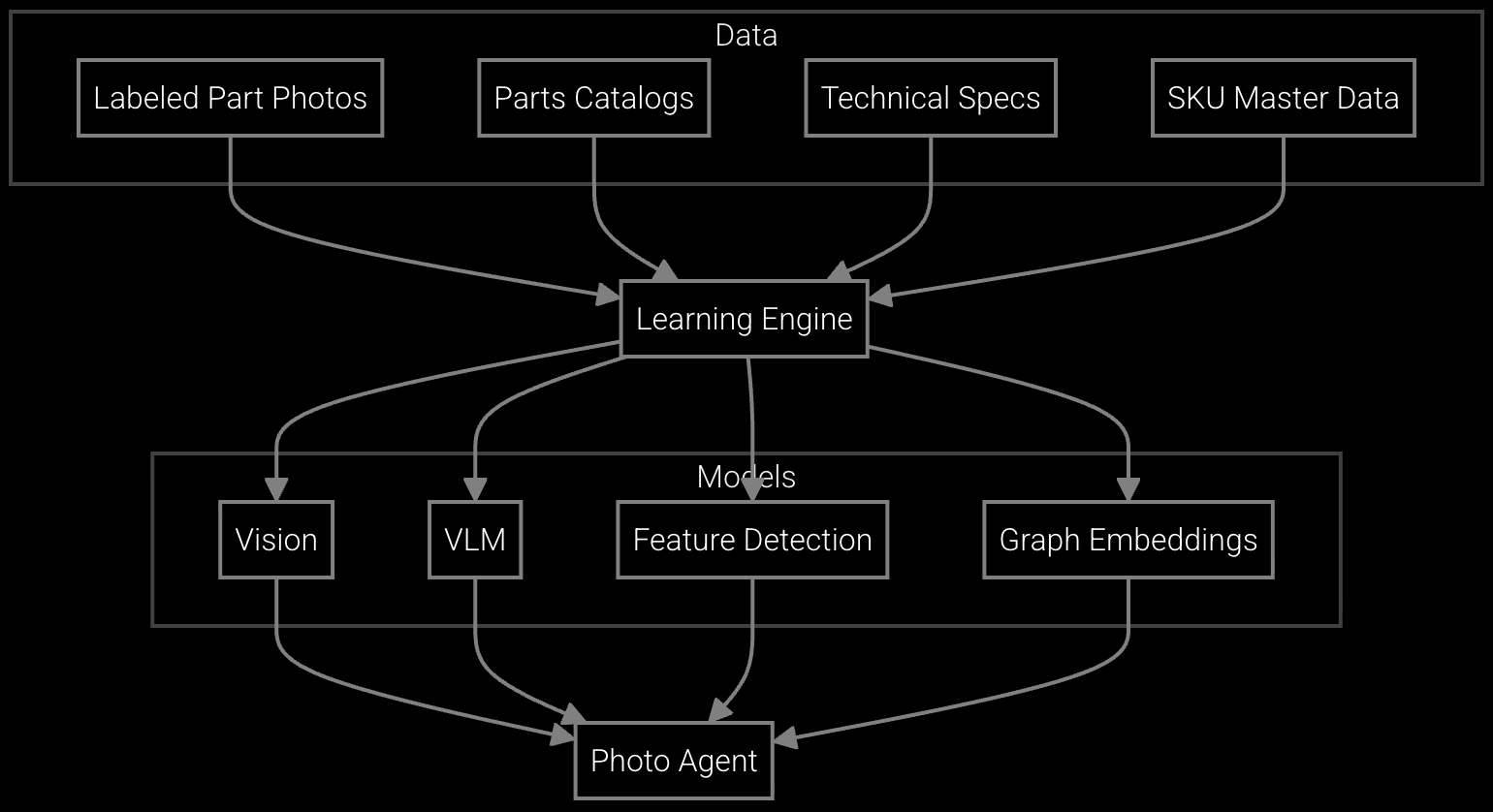
Snap a photo of a chamber component to instantly retrieve part number, availability, and substitute options.
Semiconductor fabs run 24/7 with tools processing 50+ wafers per hour. A single etch chamber goes through cleaning kits every 1,000 RF hours, and lithography consumables need replacement on strict cycle counts. Manual inventory checks introduce lag that can't be tolerated at nanometer precision and million-dollar hourly costs.
Bruviti connects to your ERP, tool telemetry (SECS/GEM data), and service management system. The platform tracks consumable usage in real time—showerhead electrodes, gas lines, O-rings, focus rings—and correlates consumption rates with tool recipes and wafer throughput. When a chamber kit is projected to run out before the next scheduled delivery, the system flags it three days in advance and suggests expedited supplier orders or reallocates stock from a lower-priority tool.
Initial API integration typically takes 2-3 weeks, including connecting to your ERP, tool telemetry feeds, and service queue. The platform starts syncing stock levels immediately after the first successful connection. Full predictive reorder functionality becomes accurate after 30 days of usage pattern data.
Yes. The platform aggregates inventory data from all connected warehouses, fab storerooms, and supplier systems. You see real-time availability across every location, along with transfer times between sites. This eliminates manual calls to check stock at other fabs or regional depots.
The system cross-references part specifications, supplier catalogs, and your fab's historical usage records. When a primary component is out of stock, it suggests alternatives that match critical parameters like material composition, dimensional tolerances, and process compatibility. Each substitute includes availability, lead time, and any engineering notes from past installations.
The platform caches the last known inventory state and continues to operate using that snapshot. It flags the connection loss immediately and sends alerts to your IT team. Once the connection is restored, the system automatically reconciles any stock changes that occurred during the outage.
No workflow changes are required. The platform integrates with your current ERP and service management system, adding predictive alerts and substitute recommendations without replacing existing processes. Staff continue using the same screens—Bruviti simply surfaces better information at the point of decision.

SPM systems optimize supply response but miss demand signals outside their inputs. An AI operating layer makes the full picture visible and actionable.
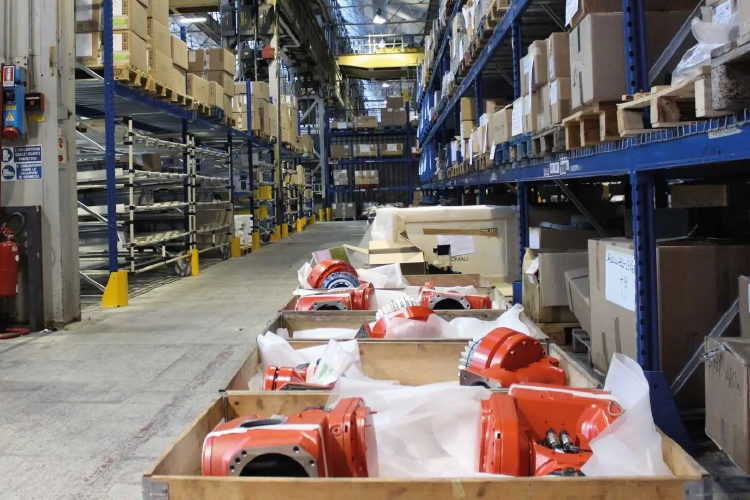
Advanced techniques for accurate parts forecasting.

AI-driven spare parts optimization for field service.
See how real-time inventory sync reduces emergency shipments and keeps your tools running.
Schedule Demo