
Fab downtime costs $1M+ per hour—your agents need answers in seconds, not minutes spent searching.
Bruviti deployment data shows AI email automation saves 300+ agent hours per week with a median handling time under 2 minutes and 24/7 coverage. Operators deploy the assistant on the highest-volume inbox first, auto-resolving routine fab support emails so agents focus on escalations.
Agents switch between CRM, ticketing, knowledge base, equipment manuals, and telemetry dashboards. Every new tool adds login screens and workflow friction.
New agents need weeks to learn tool recipes, chamber part numbers, and PM schedules. Complex semiconductor equipment makes onboarding slower than other industries.
After each call, agents spend 3-5 minutes typing case notes, copying error codes, and categorizing issues. This drudgery cuts throughput and frustrates staff.
The platform integrates with your existing CRM and ticketing systems through REST APIs. No migration required. Agents see a sidebar in their current interface with instant answers from equipment manuals, telemetry feeds, and historical cases. Train the AI on your documentation—tool recipes, chamber maintenance guides, PM schedules—in hours, not months.
Automation handles the drudgery. Case notes auto-populate from call transcripts. Routing rules classify issues using historical patterns. Agents review and approve rather than typing from scratch. The system learns from corrections, improving accuracy over time without requiring manual rule updates.
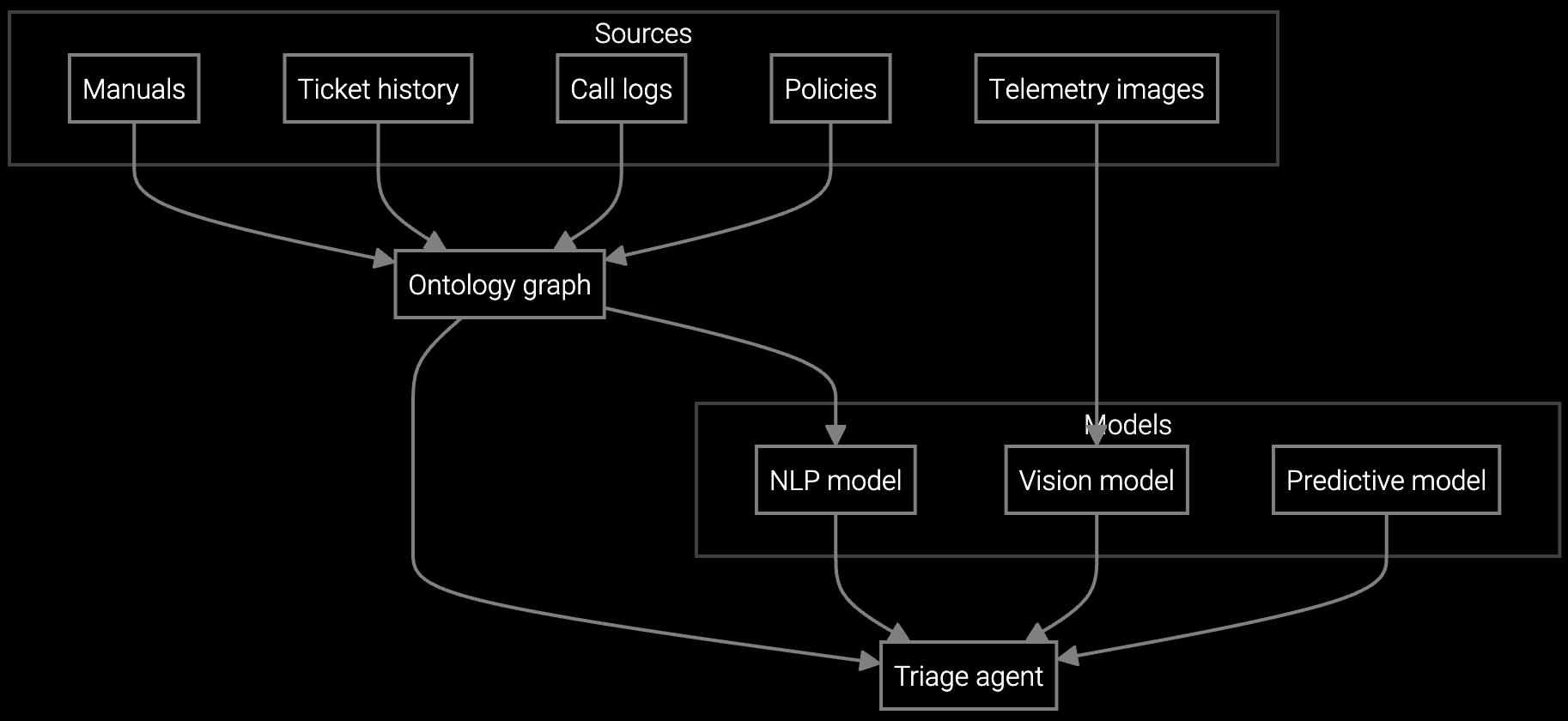
Automatically classify lithography and etch tool issues, correlate error codes with telemetry, and route to the right fab support team with diagnostic context.
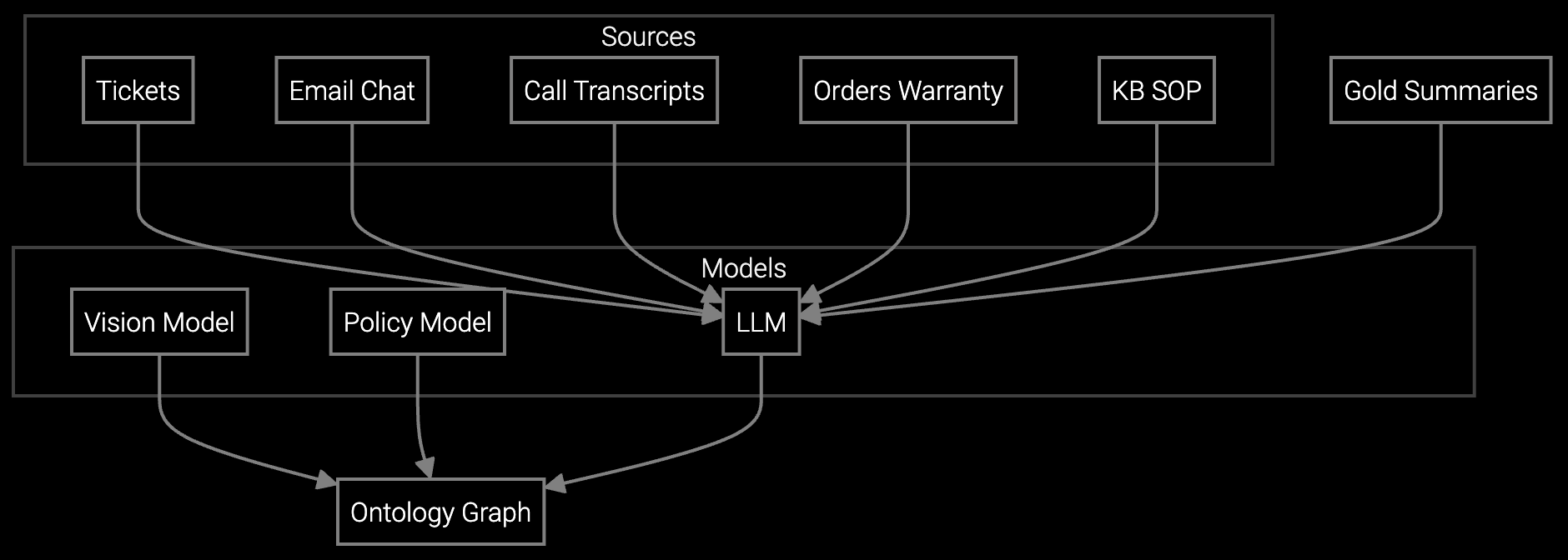
Generate instant summaries from call transcripts and email threads so agents understand tool history, recipe changes, and PM status without reading everything.
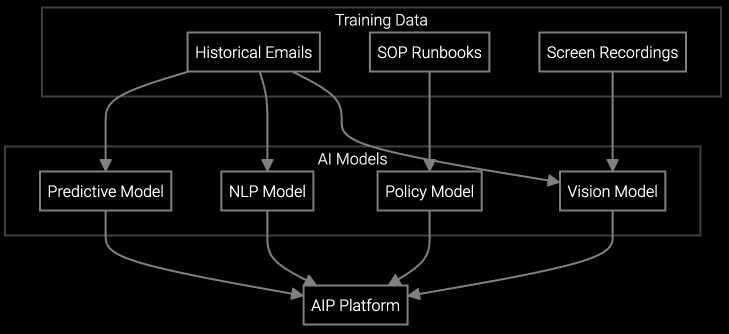
AI reads incoming emails about chamber alarms and tool downtime, drafts responses using equipment manuals and case history, and routes complex issues to process engineers.
Semiconductor OEMs support customers running 24/7 fabs where unplanned downtime costs exceed $1M per hour. Contact center agents need instant access to tool recipes, chamber consumable specs, and telemetry patterns to answer questions without escalation delays. The AI copilot ingests lithography manuals, etch process guides, and historical alarm data to provide equipment-specific answers in the agent's existing workflow.
Integration connects to telemetry streams from tools in customer fabs. When an agent receives a call about a chamber alarm, the copilot automatically pulls recent sensor data, correlates it with known failure modes, and suggests resolution steps. Agents see this context in their CRM sidebar without switching screens or searching multiple databases.
Pilot deployment with a small team takes 2-4 weeks including API integration and initial model training on your documentation. Full contact center rollout typically happens within 90 days as the system learns from agent interactions and corrections.
No. The platform integrates with your current systems via API. Agents continue working in the same CRM interface they use today. The AI copilot appears as a sidebar providing answers and automating documentation within their existing workflow.
Upload equipment manuals, tool recipes, maintenance guides, historical case notes, and PM schedules. The system also ingests telemetry data feeds if available. Initial training takes hours to days depending on documentation volume. Accuracy improves as agents use the system and correct AI suggestions.
Track average handle time, first contact resolution rate, and cases per agent per day. Most semiconductor OEMs see 30-40% AHT reduction and 15-20 point FCR improvement within the first 60 days. Compare metrics between pilot teams using AI copilots and control groups without.
Yes. Agents review all AI-generated responses and case notes before sending to customers or saving to the system. Corrections feed back into model training so the system learns from mistakes. The platform acts as an assistant, not a replacement for agent judgment.

Understanding and optimizing the issue resolution curve.

Part 1: The transformation of IT support with AI.
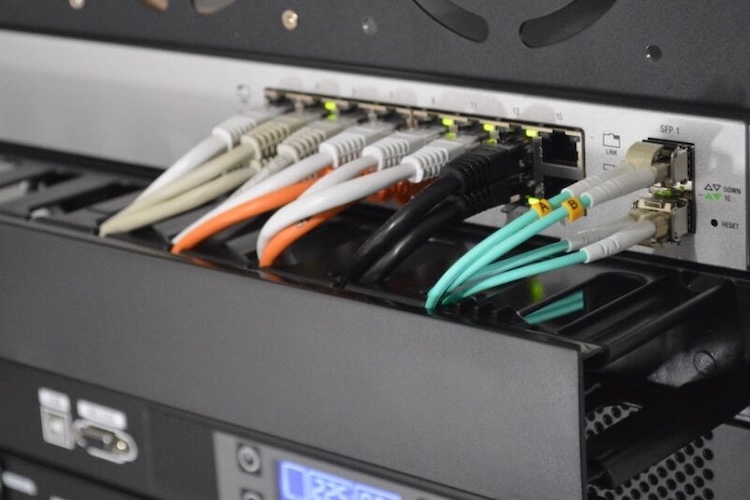
Part 2: Implementing AI in IT support.
Talk to our team about integrating AI copilots with your semiconductor support operations.
Schedule Demo