
Manual RMA processing creates bottlenecks when network failures demand immediate replacement decisions at scale.
Bruviti deployment data shows automated warranty workflows process network equipment claims in under 1 minute at 95% consistency, replacing the 8-12 minutes manual coding takes. Builders chain intake, coding, and adjudication into one pipeline so each claim flows from RMA request to disposition without an analyst touching routine cases.
Every RMA request triggers manual lookups across warranty databases, contract systems, and purchase records. Network equipment with multi-year SLAs compounds complexity when configuration changes invalidate coverage assumptions.
RMA workflows force operators to re-enter serial numbers, failure codes, and shipping details across disconnected systems. Each handoff between warranty, logistics, and refurbishment teams creates transcription errors.
Returned network equipment sits in receiving while teams manually determine refurbish vs scrap decisions. Without automated defect classification from test logs, high-value switches wait weeks for disposition.
Bruviti provides RESTful APIs and Python SDKs that integrate warranty automation into existing ERP and CRM workflows without vendor lock-in. Developers define custom validation rules, disposition logic, and routing criteria using standard languages while the platform handles entitlement verification, fraud detection, and refurbishment tracking behind the scenes.
Event-driven webhooks trigger automated actions at each workflow stage: claim submission auto-validates coverage against real-time warranty databases, return receipt auto-classifies defects from test logs via image analysis, and disposition approval auto-routes units to refurb or scrap based on configurable business rules. Every API call maintains complete audit trails for compliance without custom logging infrastructure.
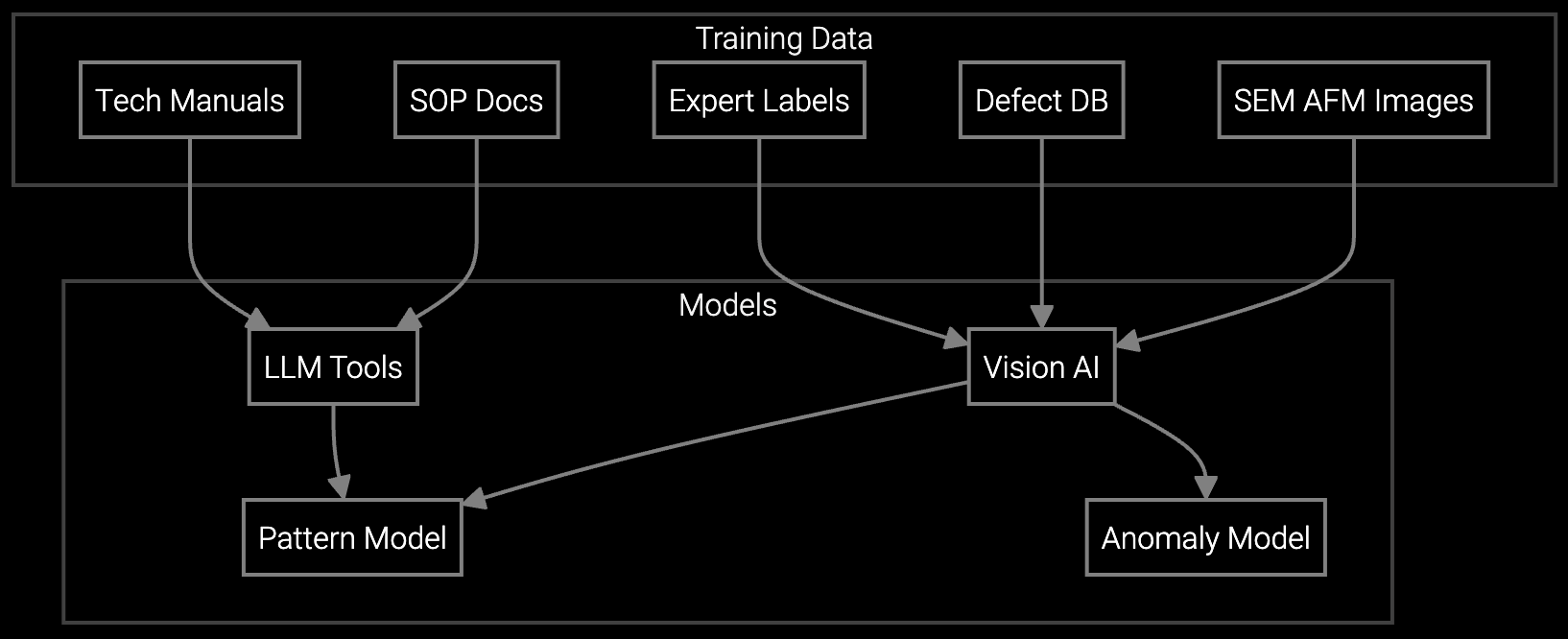
Automate failure mode classification from optical and electron microscopy images of returned network equipment PCBs, eliminating manual visual inspection bottlenecks in disposition workflows.
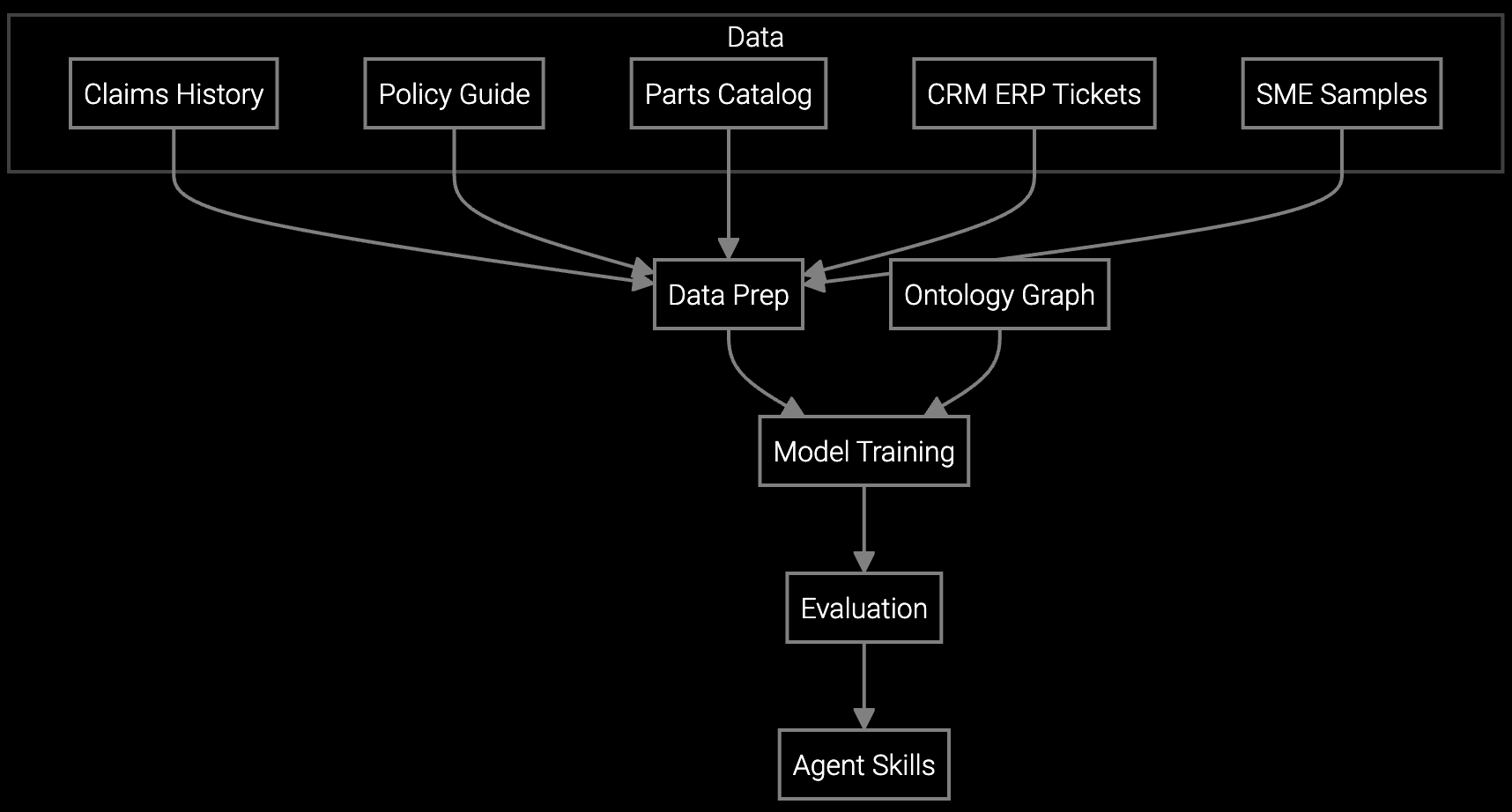
API-driven claim categorization automatically assigns warranty codes and failure classifications from unstructured RMA descriptions, feeding structured data into downstream refurbishment and analytics systems.
Network equipment OEMs face unique warranty workflow challenges: carrier-grade routers and switches operate under strict SLA requirements where uptime clauses trigger different entitlement rules than standard warranties. Firmware version tracking must integrate with RMA workflows because some failures only manifest under specific software releases, affecting disposition decisions.
Automated workflows must parse SNMP logs, syslog data, and crash dumps during claim submission to pre-classify failures before physical return. When a data center reports a switch failure, the workflow API pulls telemetry history to validate whether the issue qualifies for advance replacement under SLA terms, eliminating manual log review that delays critical replacements.
RESTful APIs connect to warranty databases, ERP systems, and logistics platforms through standard authentication protocols. Developers configure webhook endpoints to trigger automated actions at each workflow stage while maintaining existing system-of-record architectures. Python and TypeScript SDKs provide pre-built connectors for common platforms like SAP and Oracle.
The platform exposes configuration APIs that let developers define custom business rules using JSON schemas or Python scripts. Network equipment workflows can apply different entitlement checks for enterprise switches vs carrier routers, or route optical transport equipment to specialized refurbishment facilities based on product family codes.
Entitlement checks require serial number, failure date, and customer identifier as minimum inputs. Optional parameters include configuration data, firmware version, and failure symptom codes to enable more sophisticated coverage determinations. API responses include warranty status, coverage dates, SLA terms, and eligible service actions with sub-second latency.
Disposition APIs analyze failure codes, test results, and historical patterns to flag likely NFF cases before authorizing returns. When telemetry indicates configuration errors or software issues rather than hardware defects, the workflow routes to remote diagnostics instead of physical RMA, reducing unnecessary shipments and refurbishment costs.
Every API call generates timestamped audit records including user identity, action taken, and data modified. Audit APIs let compliance teams query complete workflow histories for regulatory reviews or dispute resolution. Immutable logs track entitlement decisions, disposition classifications, and data handoffs between systems without requiring custom logging infrastructure.
Software stocks lost nearly $1 trillion in value despite strong quarters. AI represents a paradigm shift, not an incremental software improvement.
Function-scoped AI improves local efficiency but workflow-native AI changes cost-to-serve. The P&L impact lives in the workflow itself.

Five key shifts from deploying nearly 100 enterprise AI workflow solutions and the GTM changes required to win in 2026.
Explore Bruviti's API documentation and SDK examples to integrate intelligent workflow automation into your existing systems.
Access Developer Resources