
RMA fraud and NFF rates demand automation now, but the wrong architecture creates technical debt for years.
Bruviti deployment data shows a bought warranty AI reaches 95% coding consistency and under 1 minute per claim, a bar in-house teams rarely match against 8-12-minute manual coding. Builders weighing build versus buy should price the training corpus and adjudication logic a vendor already ships, not just the API surface they could write.
Building warranty claims AI in-house gives you complete customization and data ownership. But network OEMs need both ML expertise and deep warranty domain knowledge. Most teams have one or the other, not both. Training fraud detection models requires labeled historical data and continuous retraining as fraud patterns evolve.
SaaS warranty platforms promise fast deployment but often trap you in proprietary ecosystems. When the vendor's fraud detection logic doesn't match your product portfolio or your entitlement rules change, you're stuck. Integration points are limited to what the vendor exposes, not what your ERP or warranty system actually needs.
The hybrid approach only works if the platform is truly API-first with open integration. You need pre-trained models that understand warranty domain patterns but allow customization for your specific failure modes. Python and TypeScript SDKs let your team extend functionality without rebuilding foundational models from scratch.
Bruviti provides pre-trained warranty domain models with full API access for customization. The platform ingests syslog data, SNMP traps, and telemetry from network devices to predict failures before warranty claims escalate. Fraud detection models trained on cross-industry warranty data identify suspicious patterns while you extend the logic for router-specific, switch-specific, or firewall-specific failure modes using Python SDKs.
Integration is headless. Connect to SAP, Oracle, or custom warranty systems via REST APIs without middleware. Deploy models on your infrastructure or use managed hosting. When entitlement rules change or new product lines launch, update custom rules via API without waiting for vendor releases. Your data stays in your environment unless you choose to share it for model improvement.
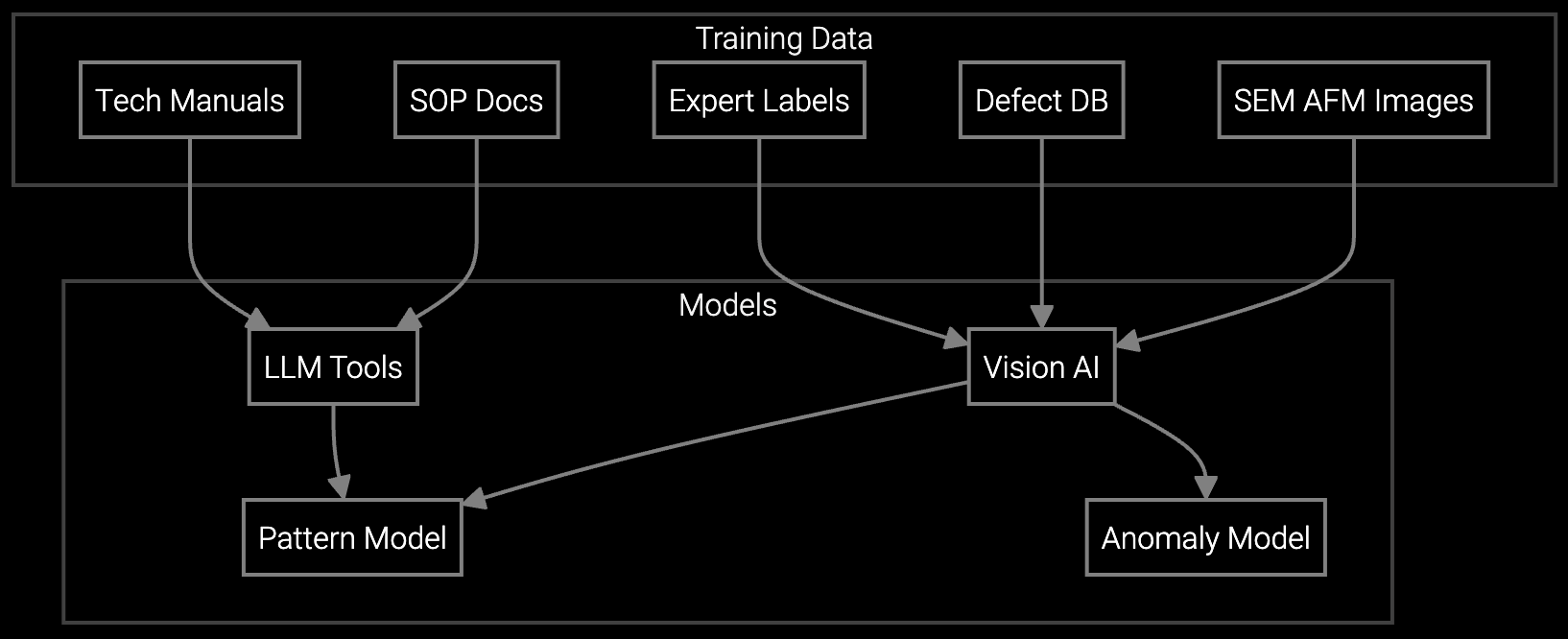
For network ASICs and optical components, AI analyzes microscopic failure images to validate warranty claims and classify defect root causes, reducing manual inspection time.
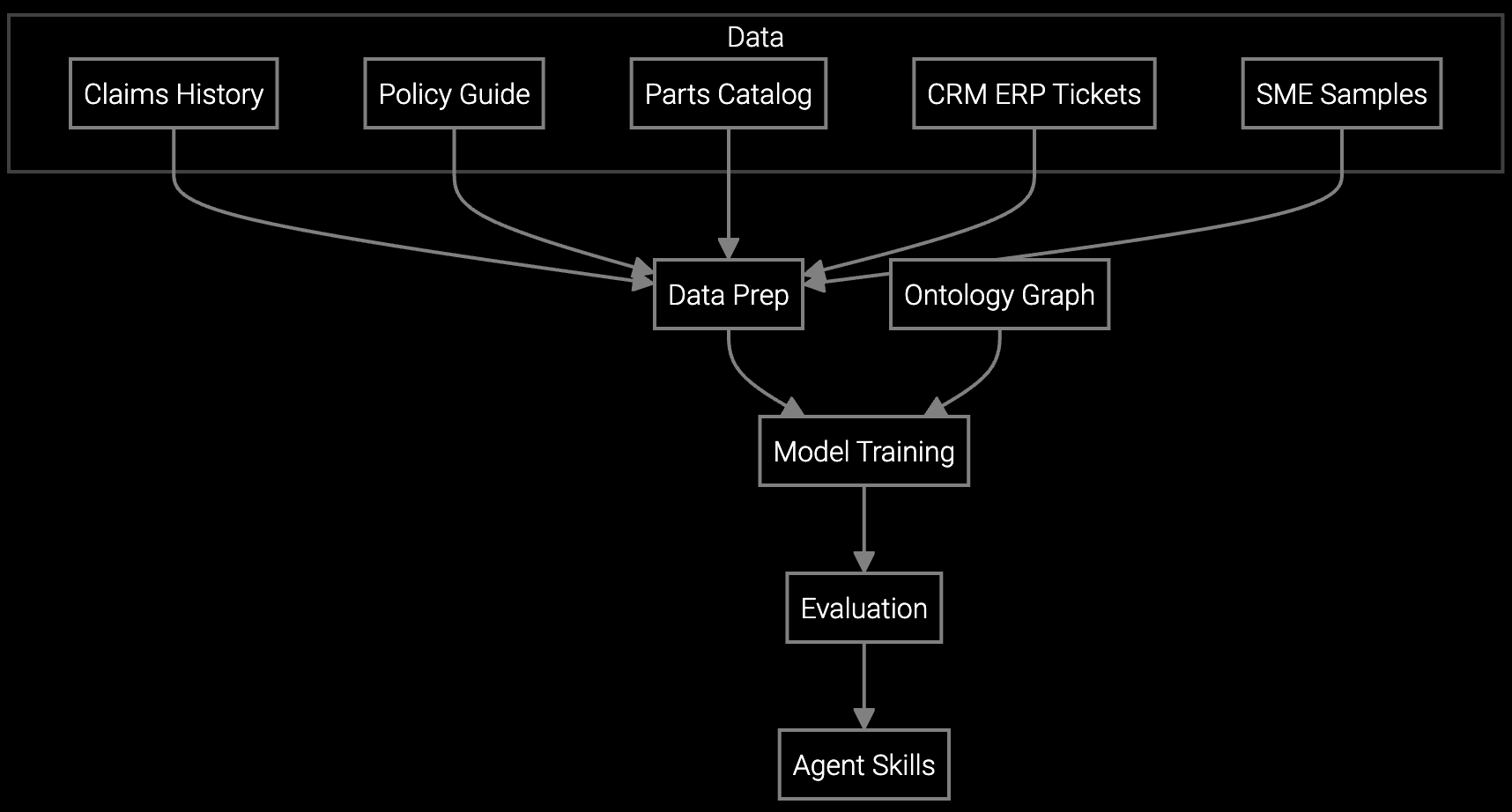
Automatically classifies RMA claims by failure mode using device logs and telemetry, improving warranty reserve accuracy and identifying systemic firmware or hardware issues.
Network OEMs should pilot warranty AI on high-volume product lines with established failure patterns first. Routers and switches with 3+ years of RMA history provide the cleanest training data. Start with automated claims coding to validate data quality before deploying fraud detection models that require higher precision.
Phase two expands to newer product lines like 5G infrastructure or optical transport where failure modes are still emerging. Use transfer learning from established models while your team customizes detection rules via Python SDKs. Integrate SNMP trap data and firmware version tracking to correlate warranty claims with specific software releases, creating a feedback loop that improves both product quality and claims accuracy.
Building requires both ML engineering expertise and deep warranty domain knowledge. Most teams lack one or both, leading to extended timelines and models that miss network-specific failure patterns. Maintenance burden grows as fraud tactics evolve and new product lines launch. Custom builds also require ongoing investment in labeled training data and model retraining infrastructure.
API-first platforms expose all core functionality via REST APIs and provide SDKs in standard languages like Python and TypeScript. You can extend models, customize business logic, and integrate with any existing system without waiting for vendor roadmaps. Data remains in your environment by default. If you choose to migrate, your custom code and integrations port to any infrastructure that supports standard APIs.
Start with structured RMA records including product SKU, failure mode codes, and resolution outcomes. Add syslog data and SNMP traps from returned devices to correlate error patterns with warranty claims. Firmware version history helps identify software-related failures that shouldn't be covered under hardware warranty. Customer-reported symptoms provide natural language context that improves fraud detection accuracy.
Platforms with pre-trained warranty domain models deploy in 8-12 weeks including data integration and pilot testing. Building from scratch typically requires 12-18 months for initial deployment plus ongoing maintenance costs. The hybrid approach frontloads time to value while preserving customization options through API access and SDKs.
Teams need Python or TypeScript fluency to use platform SDKs, plus understanding of REST API integration patterns. Domain expertise in warranty business logic is more critical than deep ML knowledge when extending pre-trained models. DevOps skills help with deployment and monitoring. Most network OEMs already have these skills in their engineering organizations, unlike the specialized ML expertise required for building from scratch.
Software stocks lost nearly $1 trillion in value despite strong quarters. AI represents a paradigm shift, not an incremental software improvement.
Function-scoped AI improves local efficiency but workflow-native AI changes cost-to-serve. The P&L impact lives in the workflow itself.

Five key shifts from deploying nearly 100 enterprise AI workflow solutions and the GTM changes required to win in 2026.
See how our Python SDKs and REST APIs enable warranty AI customization without lock-in.
Request Technical Overview