
Manual parts lookup and multi-warehouse coordination add hours to every service call and warranty claim.
Bruviti deployment data shows 70% or more of parts picklists AI-generated at 85% precision, with pre-dispatch parts decisions in under 2 minutes. Appliance manufacturers wire picklist generation into the dispatch workflow, so the right parts are selected before the tech leaves and parts returns drop 25%.
Appliance product lifecycles span decades while component suppliers discontinue parts within years. Manual cross-reference spreadsheets become outdated the moment they're shared, forcing service teams to call multiple warehouses hunting for alternatives.
Regional warehouses, field service vans, and third-party logistics providers each maintain separate inventory systems. A compressor might sit unused in Phoenix while a Dallas customer waits three days for overnight shipping from the main depot.
HVAC failures spike during summer heat waves and winter freezes. Static safety stock formulas either tie up capital in excess inventory year-round or leave shelves empty during peak demand when customers need repairs most urgently.
Bruviti's platform exposes APIs for predictive inventory planning, substitute parts matching, and multi-location fulfillment orchestration. The forecasting engine ingests warranty claim history, seasonal failure patterns, and installed base demographics to project demand by SKU and geography. When stock runs low, the substitute matching API searches across bill-of-materials data and service notes to identify compatible alternatives with confidence scores.
Integration SDKs connect to SAP ERP, Oracle NetSuite, or custom inventory systems without requiring data migration. Python and TypeScript libraries let developers customize demand forecasting models, add business rules for substitute approval thresholds, and route fulfillment logic based on customer priority tiers. Event-driven webhooks trigger automated reorder workflows when stock levels cross defined thresholds or when failure rate anomalies suggest emerging quality issues.
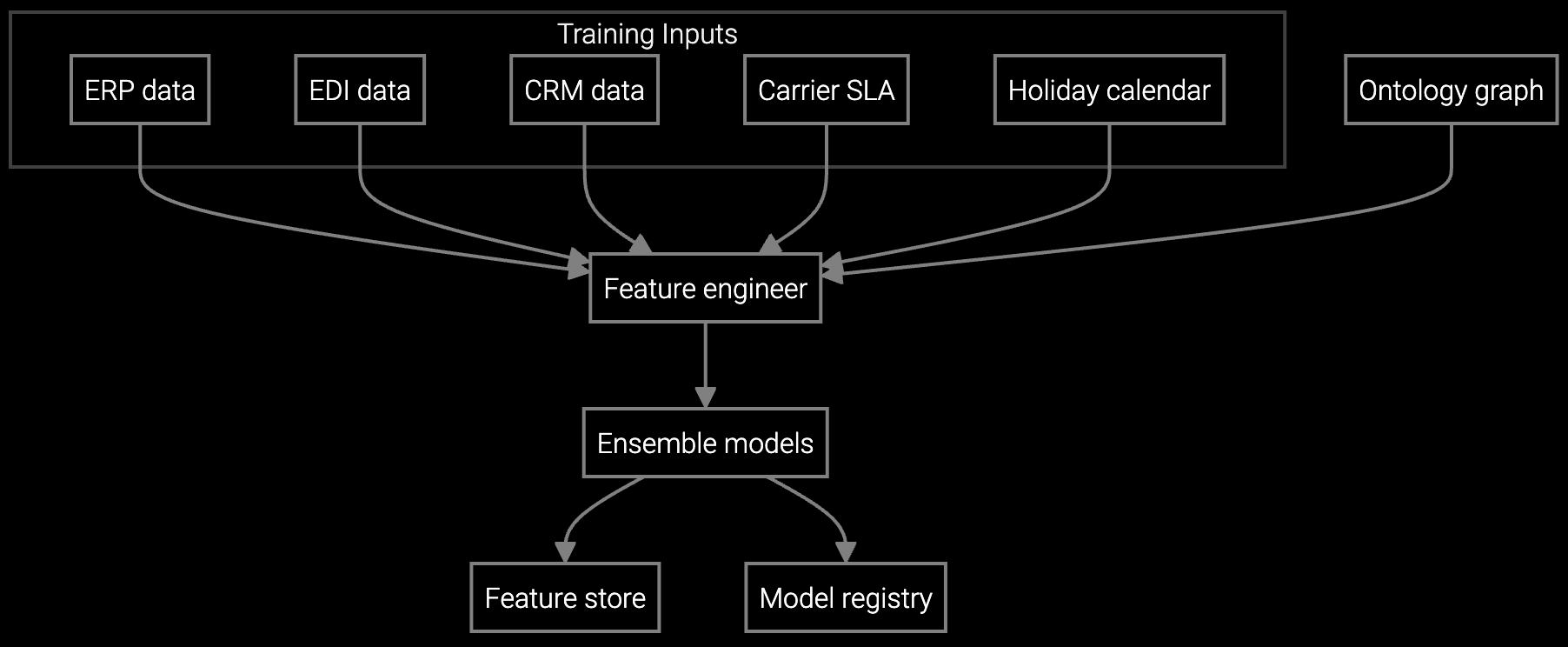
Forecasts refrigerator compressor demand by region and time window based on installed base age and historical failure curves, optimizing stock levels while reducing carrying costs.
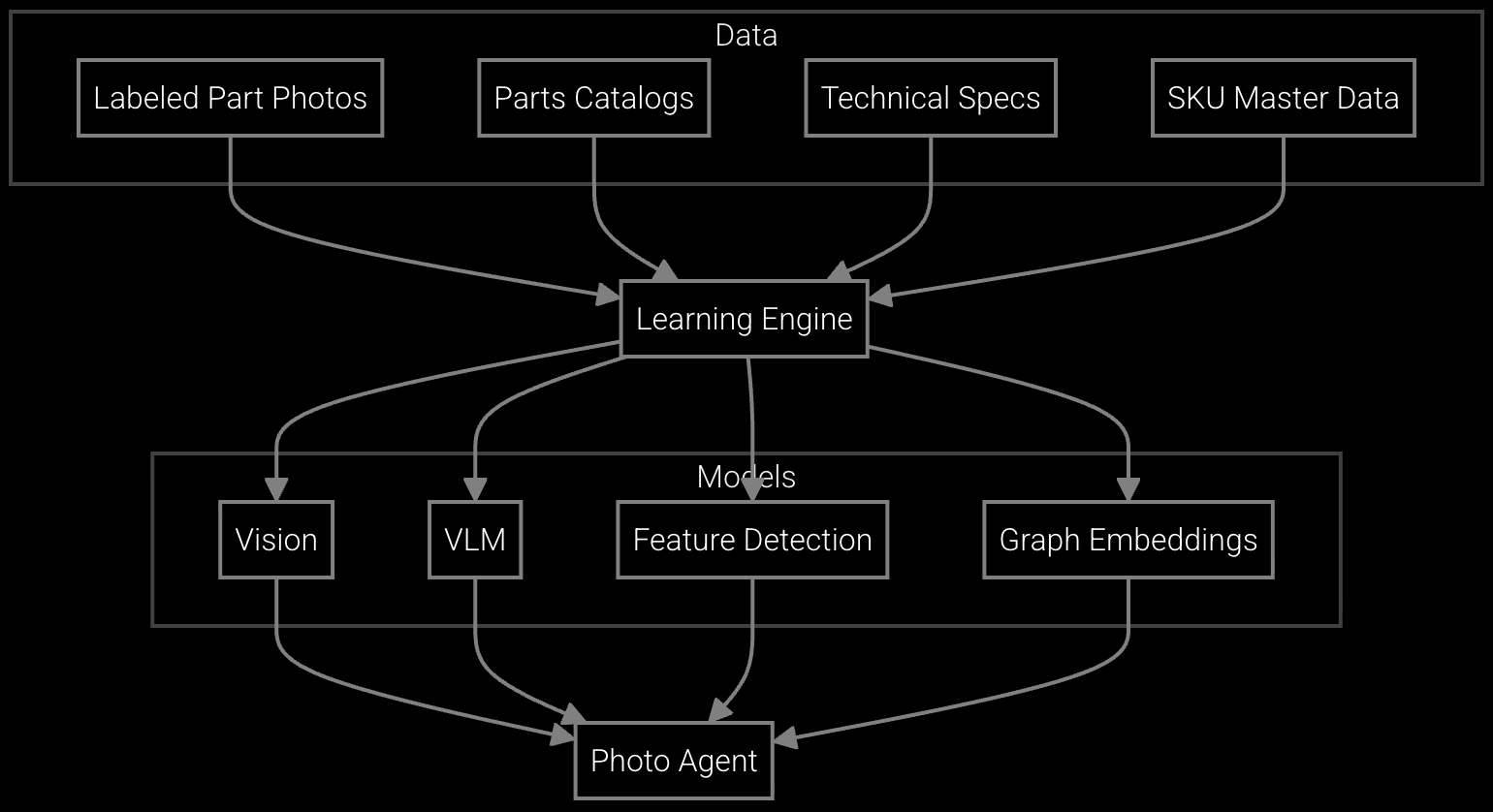
Field teams snap a photo of a damaged dishwasher pump assembly and instantly receive part number identification, cross-reference alternatives, and nearest warehouse availability.
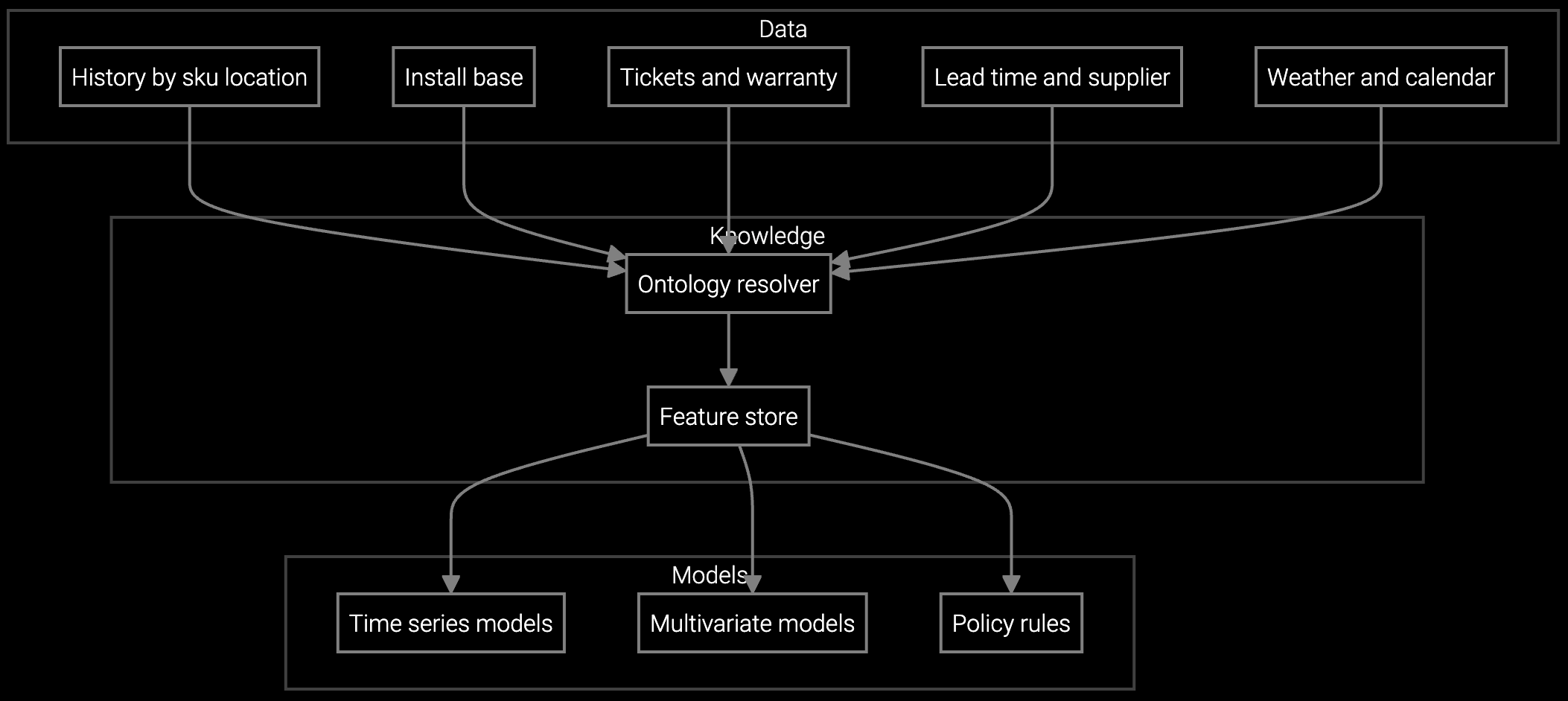
Projects HVAC capacitor consumption based on installed base demographics, seasonal temperature patterns, and warranty claim trends to optimize pre-positioning inventory before summer heat waves.
Appliance manufacturers commit to 10-20 year parts availability for refrigerators, washers, and HVAC systems even as component suppliers discontinue SKUs within 3-5 years. This creates exponential complexity in substitute parts management as legacy product lines accumulate. Automated workflows track bill-of-materials changes across model years, flag EOL part risks before supplier discontinuation notices arrive, and maintain cross-reference libraries linking superseded parts to current equivalents.
Seasonal demand volatility compounds the challenge. Summer heat waves drive 4x spikes in air conditioner compressor failures while winter freezes surge furnace igniter replacements. Static safety stock formulas cannot adapt to these patterns without either tying up capital year-round or causing stockouts during peak urgency windows when customer frustration is highest.
REST APIs ingest historical sales data, warranty claims, and inventory transactions from SAP, Oracle, or custom ERP systems without requiring data migration. The forecasting engine processes this data to generate demand projections by SKU and location, which can be pushed back to ERP systems via webhook or batch file export. Python and TypeScript SDKs allow developers to customize integration logic and add business-specific rules.
Bill-of-materials hierarchies, engineering change notices, and historical service notes provide the core matching logic. The AI also analyzes warranty claim patterns to identify parts that frequently fail together or succeed as field-tested substitutes. Confidence scores reflect how many successful substitutions have been validated in production service scenarios versus theoretical compatibility from specs alone.
Yes. The platform exposes model configuration APIs where developers can adjust seasonal weighting factors, define custom demand drivers like weather data or holiday calendars, and set product-specific forecast horizons. For HVAC equipment, you might weight recent-year temperature anomalies more heavily than long-term averages to capture climate trend impacts on failure rates.
The routing engine evaluates inventory availability, shipping time, and freight cost across all configured warehouse locations when a parts order is placed. Developers can define priority rules such as "use field van stock first, then regional depot, then central warehouse" or implement customer tier logic that prioritizes premium service contract holders for same-day shipping from closer facilities.
All integrations use standard REST APIs and webhook patterns rather than proprietary protocols. Data remains in your existing ERP and inventory systems with the AI layer operating as a stateless service. You can export forecasting models, substitute parts libraries, and historical accuracy metrics at any time. The Python and TypeScript SDKs are open-source, allowing you to replicate integration logic if switching platforms.

SPM systems optimize supply response but miss demand signals outside their inputs. An AI operating layer makes the full picture visible and actionable.
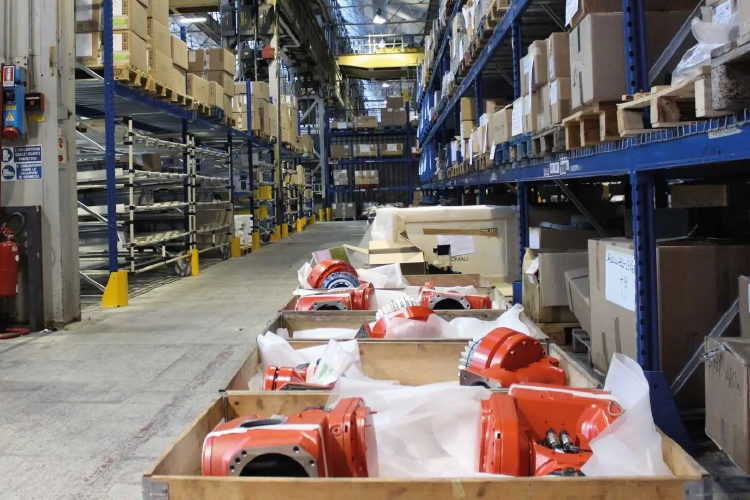
Advanced techniques for accurate parts forecasting.

AI-driven spare parts optimization for field service.
Explore Bruviti's APIs and integration SDKs for automated parts demand forecasting and fulfillment orchestration.
View API Documentation