
Decades of SKU proliferation meet rising customer expectations for same-day service. Your inventory strategy determines which OEM wins.
Bruviti deployment data shows 85% auto-extraction accuracy turning blueprints and manuals into structured parts data, with search under 30 seconds. For appliance manufacturers weighing build versus buy, the moat is the ingestion model, not the UI, so the strategy question is who can extract your parts data accurately, not who has the prettiest catalog.
Managing parts across decades of refrigerator, HVAC, and washer models creates forecasting complexity. Legacy systems track availability but can't predict regional demand shifts or seasonal spikes.
Internal ML teams estimate six months to production. Reality includes ongoing retraining, data pipeline maintenance, and integration with SAP or Oracle ERP systems. Hidden costs accumulate.
Closed platforms trap data and models inside proprietary ecosystems. When business needs change or performance plateaus, migration costs force continued investment in suboptimal solutions.
API-first platforms with open SDKs split the difference. Pre-trained models handle standard forecasting tasks—seasonal demand curves for HVAC parts, failure rate predictions for refrigerator compressors—while Python and TypeScript SDKs let engineering teams customize logic for proprietary use cases.
This approach delivers production-ready demand forecasting in weeks, not quarters, while preserving the technical flexibility that prevents future regret. Standard connectors integrate with SAP, Oracle, and custom data lakes without middleware complexity. When business requirements evolve, teams extend models using familiar languages rather than filing vendor feature requests.
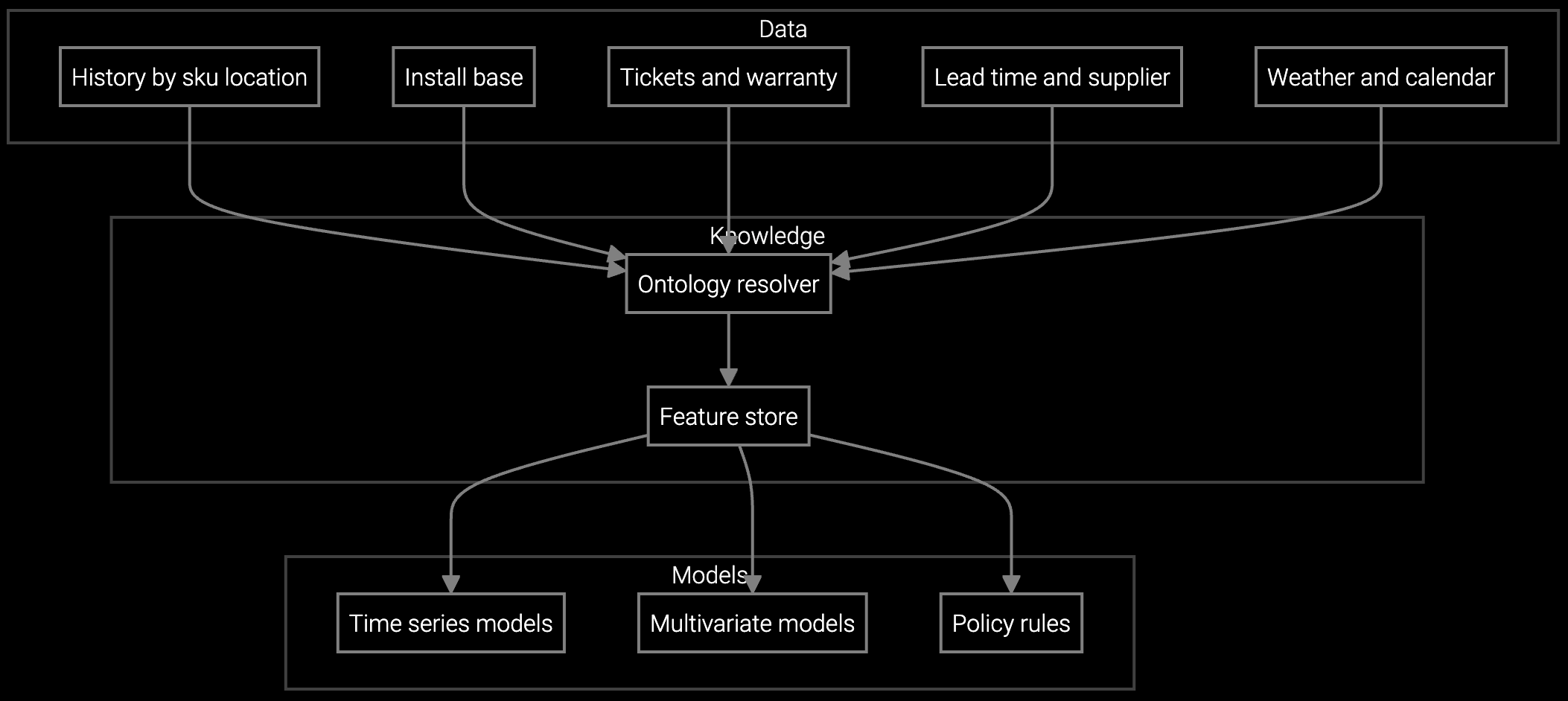
Projects parts consumption for appliances based on installed base age, seasonal usage patterns, and warranty expiration windows—reducing stockouts during summer HVAC demand spikes.
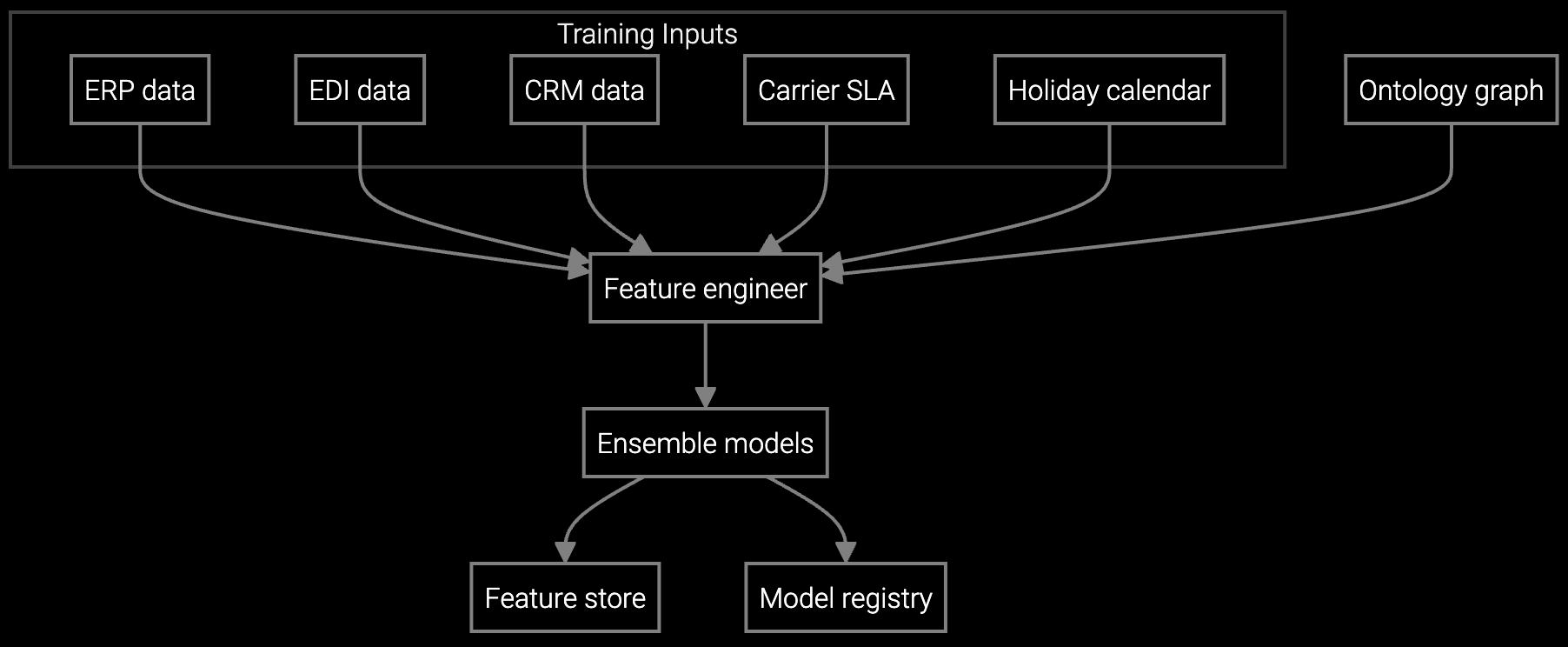
Forecasts regional demand by location and time window, optimizing warehouse stock levels while reducing carrying costs for slow-moving refrigerator and dishwasher components.
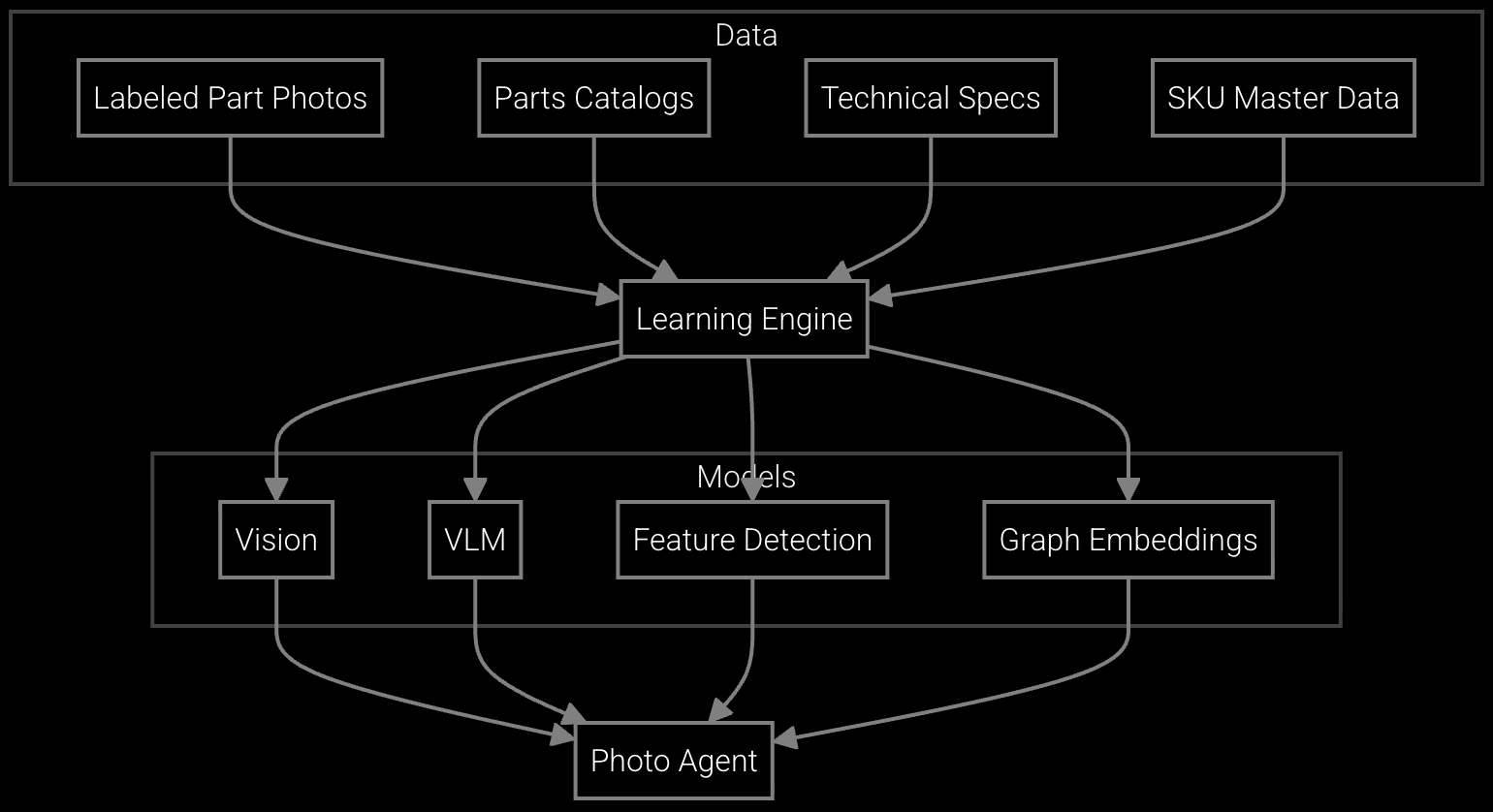
Snap a photo of a washer pump or HVAC capacitor and get instant part number identification with real-time availability across your distribution network—accelerating service quote turnaround.
Appliance OEMs face unique inventory complexity: managing parts for products with 15-20 year lifespans while responding to seasonal demand volatility. Summer heat drives HVAC compressor orders. Winter holidays spike dishwasher and refrigerator service calls. Meanwhile, warranty reserves and NFF rates directly impact quarterly margins.
Connected appliances add IoT telemetry streams that enable predictive parts ordering, but only if forecasting models can ingest real-time failure data alongside historical warranty claims. The strategic question isn't whether to use AI—it's how to deploy it without accumulating technical debt or vendor dependency that constrains future product lines.
Build when you have unique competitive advantage in your data or algorithms—for example, proprietary IoT telemetry patterns that competitors can't replicate. Most appliance OEMs lack this differentiation; parts demand follows industry-standard failure curves. Building becomes expensive technical debt unless forecasting accuracy is your core moat.
Open integration patterns using REST APIs, Python SDKs, and standard data formats prevent proprietary entanglement. Your code, your data, your models stay portable. If platform performance degrades or pricing becomes uncompetitive, you migrate without rewriting integrations or abandoning trained models.
Six to eight weeks from kickoff to production for standard demand forecasting use cases. This includes ERP connector setup, model training on historical parts data, and pilot validation with one product line. Complex customizations—like integrating proprietary IoT telemetry—add four to six weeks but still deliver faster than building from scratch.
Yes. Python SDKs let data engineers inject custom seasonal multipliers, regional weather data, or promotional campaign impacts into baseline forecasting models. Pre-trained models handle standard failure rate curves while your team owns the business logic layer—no vendor feature requests required.
Track fill rate improvement, inventory turns increase, and emergency shipment cost reduction. Appliance OEMs typically see 8-12% fill rate gains and 15-20% carrying cost reductions within 90 days. Calculate payback period by comparing platform costs against stockout-related service delays and excess inventory write-downs.

SPM systems optimize supply response but miss demand signals outside their inputs. An AI operating layer makes the full picture visible and actionable.
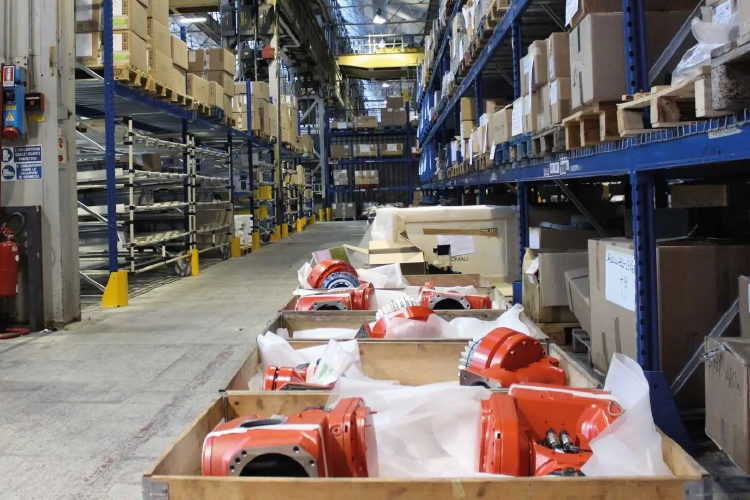
Advanced techniques for accurate parts forecasting.
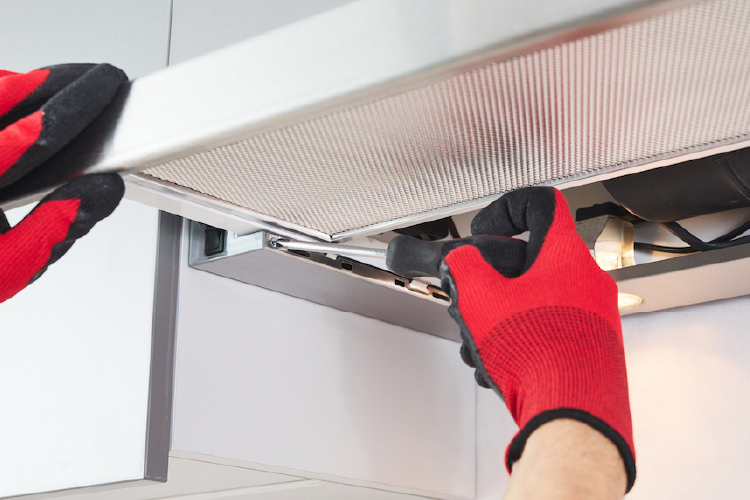
AI-driven spare parts optimization for field service.
See how Bruviti's API-first platform integrates with your existing systems in a technical proof of concept.
Request Technical Demo