
Retiring technicians taking tribal knowledge with them while legacy equipment demands decades of service continuity.
Bruviti deployment data shows 22% lower average handling time once AI automates industrial manufacturing field service workflows. Operators let AI summarize the case, build the picklist, and prep dispatch automatically, so each technician moves through more jobs per day with the right diagnosis and parts already in hand.
Dispatchers lack real-time equipment context. Technicians arrive on-site without knowing if it's a quick fix or multi-hour repair. Wrong prioritization delays critical production equipment.
Technicians guess which parts to bring based on vague work order descriptions. Wrong parts mean return trips, extended downtime, and missed SLAs for critical machinery.
Technicians spend hours weekly filling out paperwork, uploading photos, and categorizing failure codes. Time spent on documentation reduces wrench time on equipment.
Bruviti's platform executes the repetitive diagnostic and administrative tasks that consume technician time. When a work order arrives, AI analyzes equipment telemetry, service history, and failure patterns to determine likely root cause and required parts. It auto-fills job notes, orders consumables, and stages the complete repair kit before dispatch.
Technicians receive a fully prepared job packet on their mobile device: diagnosis, step-by-step procedure, and pre-staged parts. On-site, they validate AI findings rather than starting from scratch. After repair, the platform auto-generates completion documentation and parts consumption records. The technician's role shifts from investigator to validator, removing hours of manual work per job.
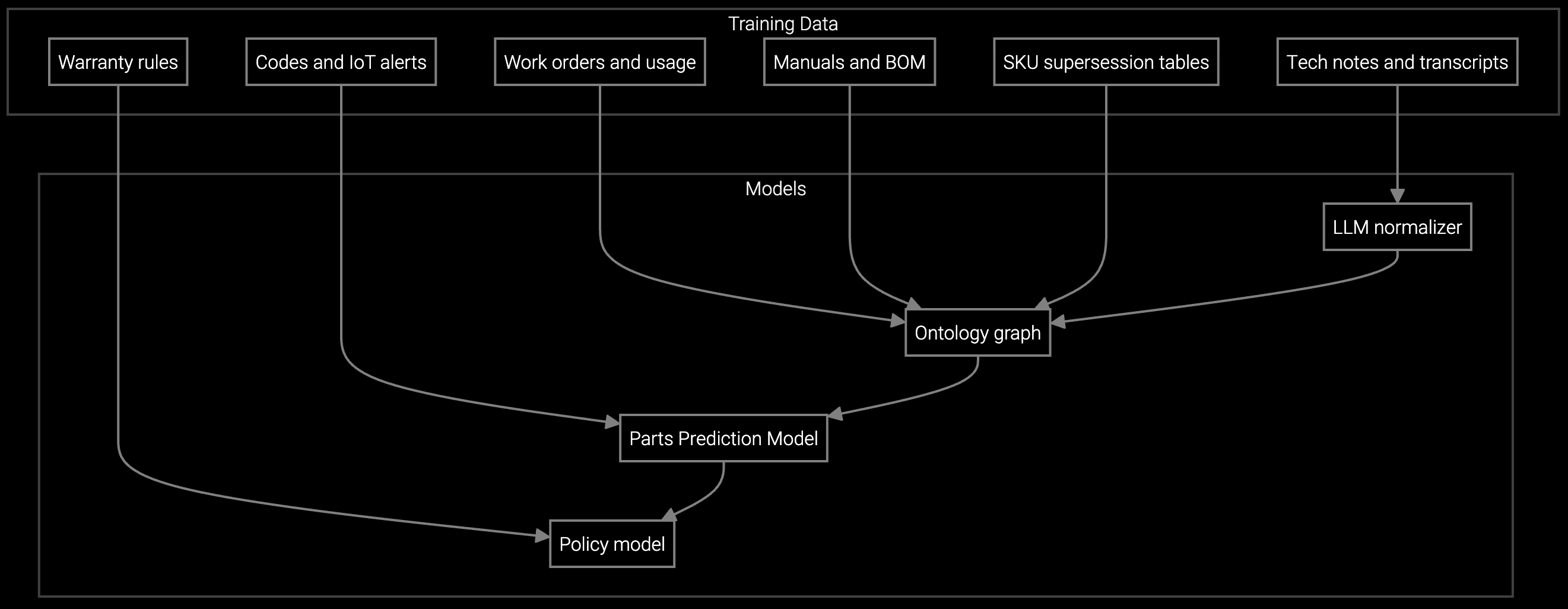
Predicts which CNC spindle bearings or pump seals technicians need before leaving the depot, eliminating return trips for decades-old industrial equipment.
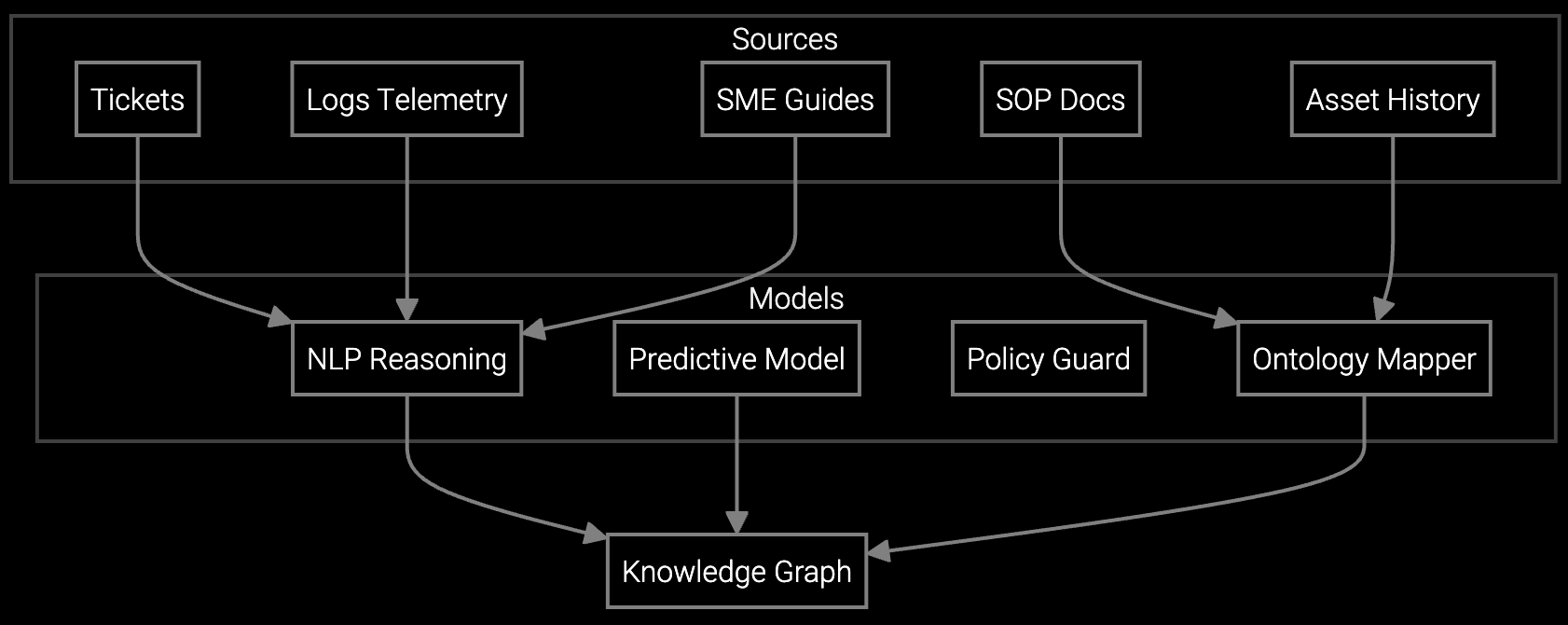
Correlates vibration signatures with 30 years of compressor failure history to identify bearing wear patterns senior technicians would recognize instantly.
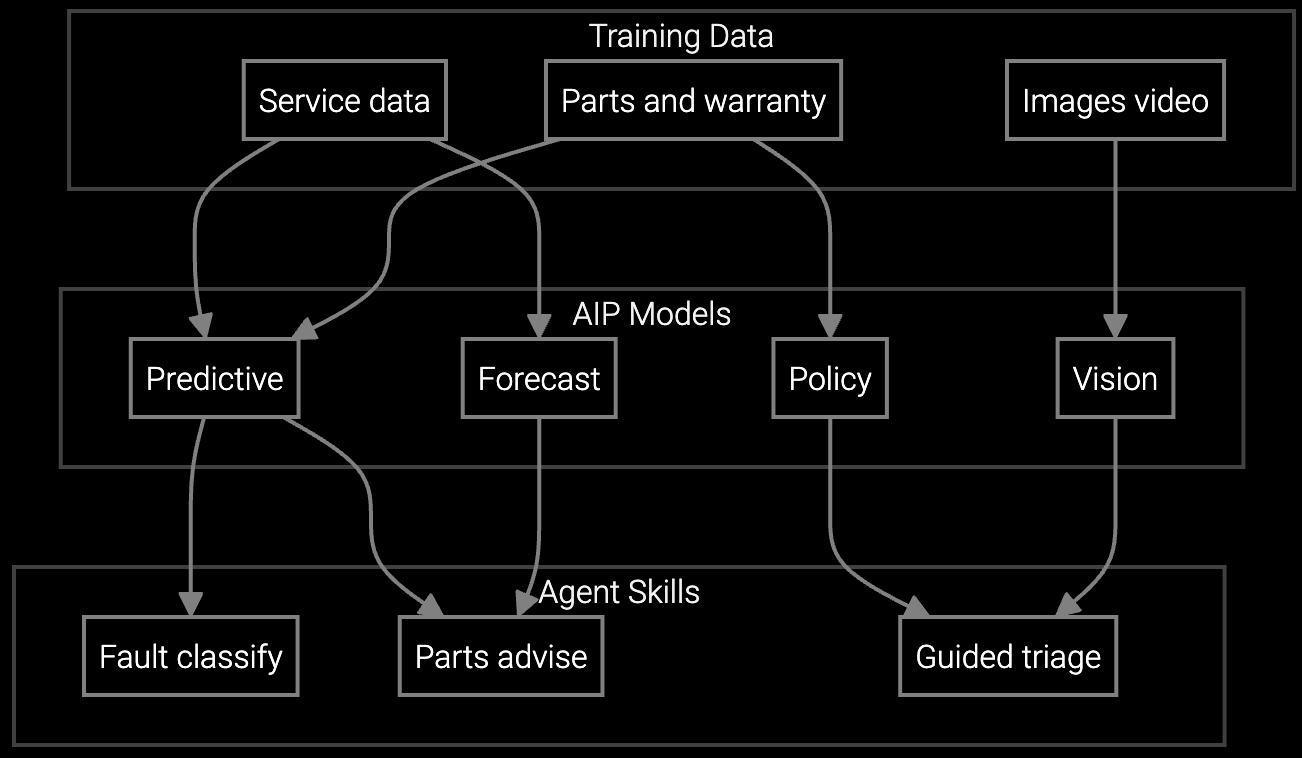
Mobile copilot delivers hydraulic system schematics and alignment procedures for legacy machinery with incomplete documentation on-site.
Industrial machinery with 20-30 year lifecycles creates unique workflow challenges. Equipment installed in the 1990s has incomplete digital records, fragmented service history, and undocumented field modifications. Automated workflows ingest sensor data from PLCs and SCADA systems to build complete equipment profiles even when documentation gaps exist.
For heavy equipment deployed in remote locations, every truck roll carries high cost. Automated pre-dispatch diagnostics determine if the issue requires senior technician expertise or if a junior tech with AI guidance can handle it. Parts prediction accounts for regional inventory constraints and lead times for obsolete components, ensuring right parts arrive with the technician.
The platform correlates failure symptoms with service history to predict part requirements. For equipment with field modifications, it flags configuration mismatches and prompts technicians to verify parts compatibility before dispatch, reducing wrong-part trips.
Technicians override AI findings directly in the mobile app and document actual root cause. These corrections feed back into the model, improving future accuracy. Override rate typically drops from 18% to under 5% within six months as the model learns equipment-specific patterns.
Yes. The platform uses historical service records, manual technician notes, and parts consumption patterns to build predictive models even without real-time sensor data. Adding basic IoT sensors later enhances accuracy but isn't required for initial workflow automation.
Senior technicians annotate AI-generated diagnoses with contextual notes, which become training data. The platform captures their corrections, workarounds, and equipment-specific quirks, codifying expertise into automated guidance that junior technicians can follow.
Technicians start validating AI recommendations on simple jobs within days. The mobile interface shows reasoning behind each suggestion, building trust. Most teams reach 80% adoption on routine repairs within 30 days as technicians see time savings on paperwork and parts accuracy.

How AI bridges the knowledge gap as experienced technicians retire.
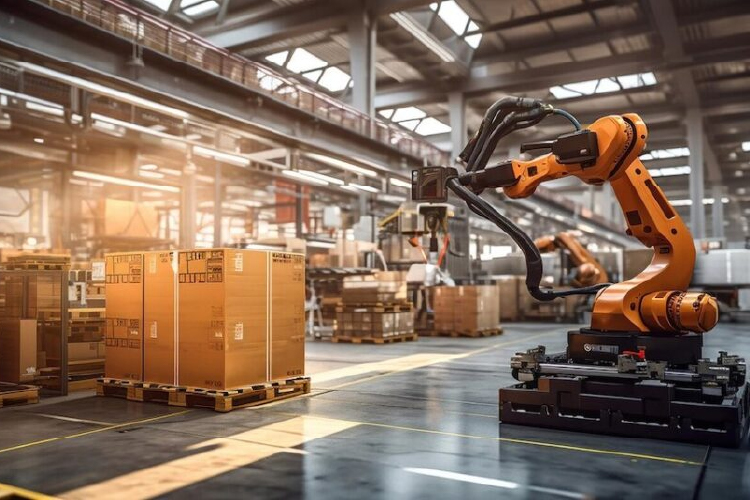
Generative AI solutions for preserving institutional knowledge.

AI-powered parts prediction for higher FTFR.
See how Bruviti eliminates manual dispatch and documentation tasks while improving first-time fix rates.
Schedule Demo