
Rising case volumes and global contact center complexity demand workflow transformation—not just faster agents.
AI workflow automation saves network OEMs 200+ agent hours per month on support email, per Bruviti deployment data. AI handles intake, classification, and drafting across customer service workflows so staff focus on exceptions. The throughput gain scales with volume, turning a manual bottleneck into automated capacity.
Agents spend valuable minutes classifying firmware issues versus hardware failures versus configuration questions. Misrouted cases bounce between teams, extending resolution time and damaging CSAT scores.
Critical troubleshooting steps buried across multiple knowledge bases, firmware release notes, and engineering bulletins. Agents search while customers wait, driving up handle time and reducing throughput.
Different agents give different answers for the same router firmware issue depending on geography and experience level. Customers escalate to verify conflicting guidance, creating rework and eroding trust.
Bruviti's platform orchestrates the entire customer service workflow—from case creation through resolution—removing manual steps that drive up costs and delay answers. The AI analyzes incoming cases, correlates telemetry from routers and switches, retrieves the correct firmware guidance, and presents agents with complete resolution context.
The system handles autonomous triage for standard issues like SNMP trap interpretation and PoE configuration, routing only complex cases to human agents. Knowledge retrieval happens instantly, pulling from firmware release notes, CVE bulletins, and historical case data to ensure every agent has the same expert-level information regardless of location or tenure.
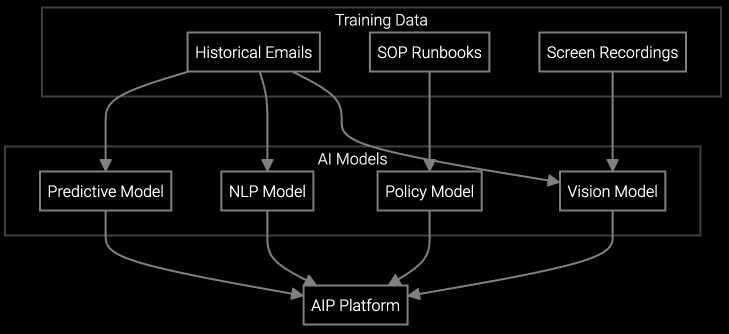
Automatically classifies firmware update requests and CVE inquiries from network operators, drafting responses using the latest security bulletins and release documentation.
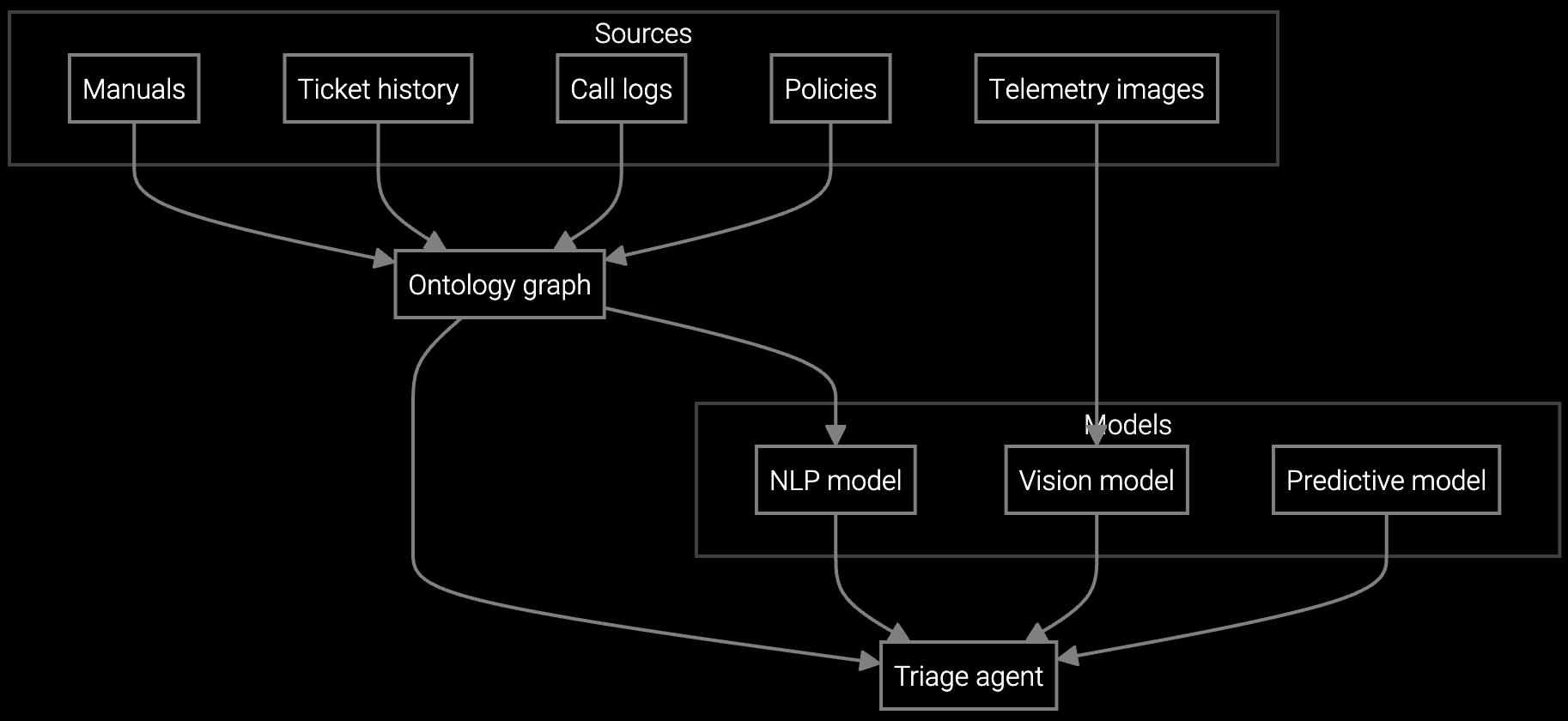
Analyzes SNMP traps and syslog data to distinguish hardware failures from configuration issues, routing switch cases to the correct engineering team with diagnostic context.
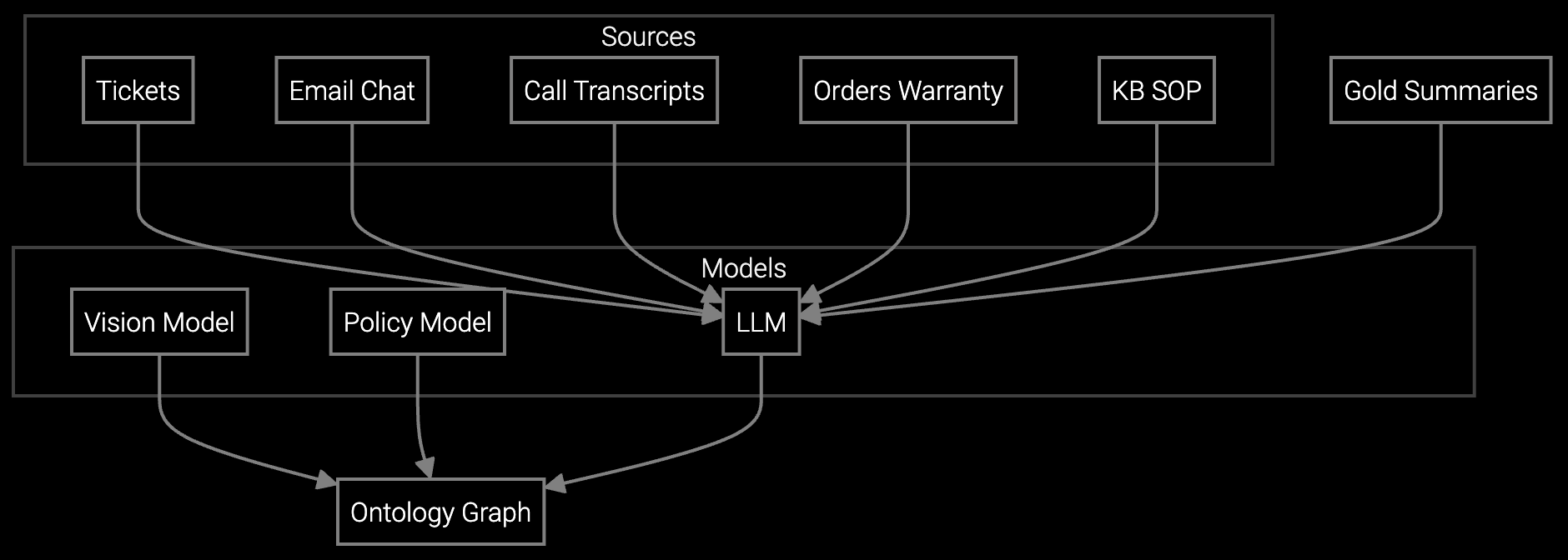
Generates instant case summaries from multi-channel interactions about router deployment issues, giving agents complete context without reading through email threads and chat logs.
Network OEM contact centers operate continuously across time zones, supporting enterprise customers and service providers who cannot tolerate downtime. Workflow automation ensures consistent case handling whether an agent is in Dallas, Dublin, or Delhi—eliminating the knowledge gaps that emerge when regional teams interpret firmware issues differently.
The platform ingests SNMP traps, syslog streams, and configuration files from deployed routers and switches, correlating telemetry against known issues. When a carrier reports packet loss on DWDM equipment, the AI immediately surfaces relevant CVE patches and configuration guidance, accelerating resolution before the issue impacts end users.
Case triage and knowledge retrieval yield immediate returns because they affect every case. Automating the initial classification step eliminates misrouted cases, while instant knowledge retrieval cuts 3-5 minutes from average handle time. These process improvements compound across thousands of daily cases.
The AI platform ingests firmware release notes, CVE bulletins, and engineering documentation to correlate reported symptoms with known issues in specific router and switch versions. It surfaces the relevant troubleshooting steps and patch guidance automatically, ensuring agents provide accurate version-specific recommendations without manual research.
Network OEMs with 10,000+ monthly cases see measurable ROI within quarters, as even small efficiency gains compound at scale. The threshold drops if you face margin pressure from high repeat contact rates or inconsistent first contact resolution across global teams.
The platform exposes routing rules as configurable logic that service leaders can adjust based on team capacity and expertise. You define which case types escalate immediately versus which the AI handles autonomously, with full audit trails showing why each routing decision was made.
Most network OEMs redeploy rather than reduce agents—automation handles tier-1 volume growth while existing staff focuses on complex escalations and customer relationship management. The productivity gain shows up as increased cases resolved per agent and improved CSAT, not necessarily in FTE reduction.

Understanding and optimizing the issue resolution curve.

Part 1: The transformation of IT support with AI.
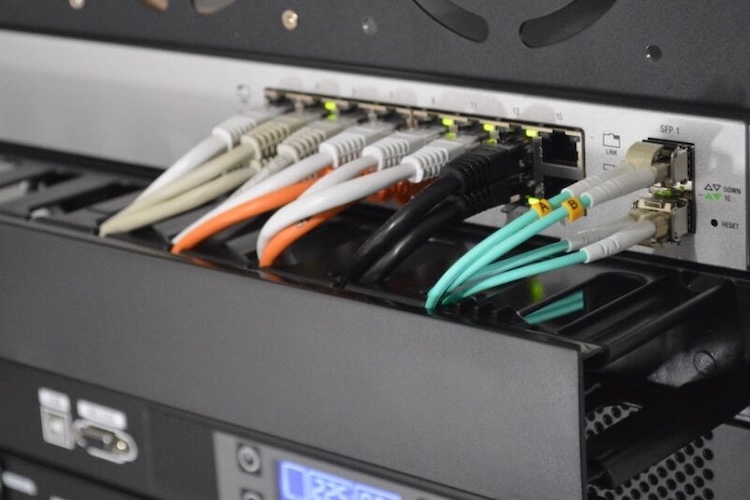
Part 2: Implementing AI in IT support.
See how leading network OEMs reduce handle time and improve consistency with AI workflow automation.
Schedule Demo